
 Save to Pinterest
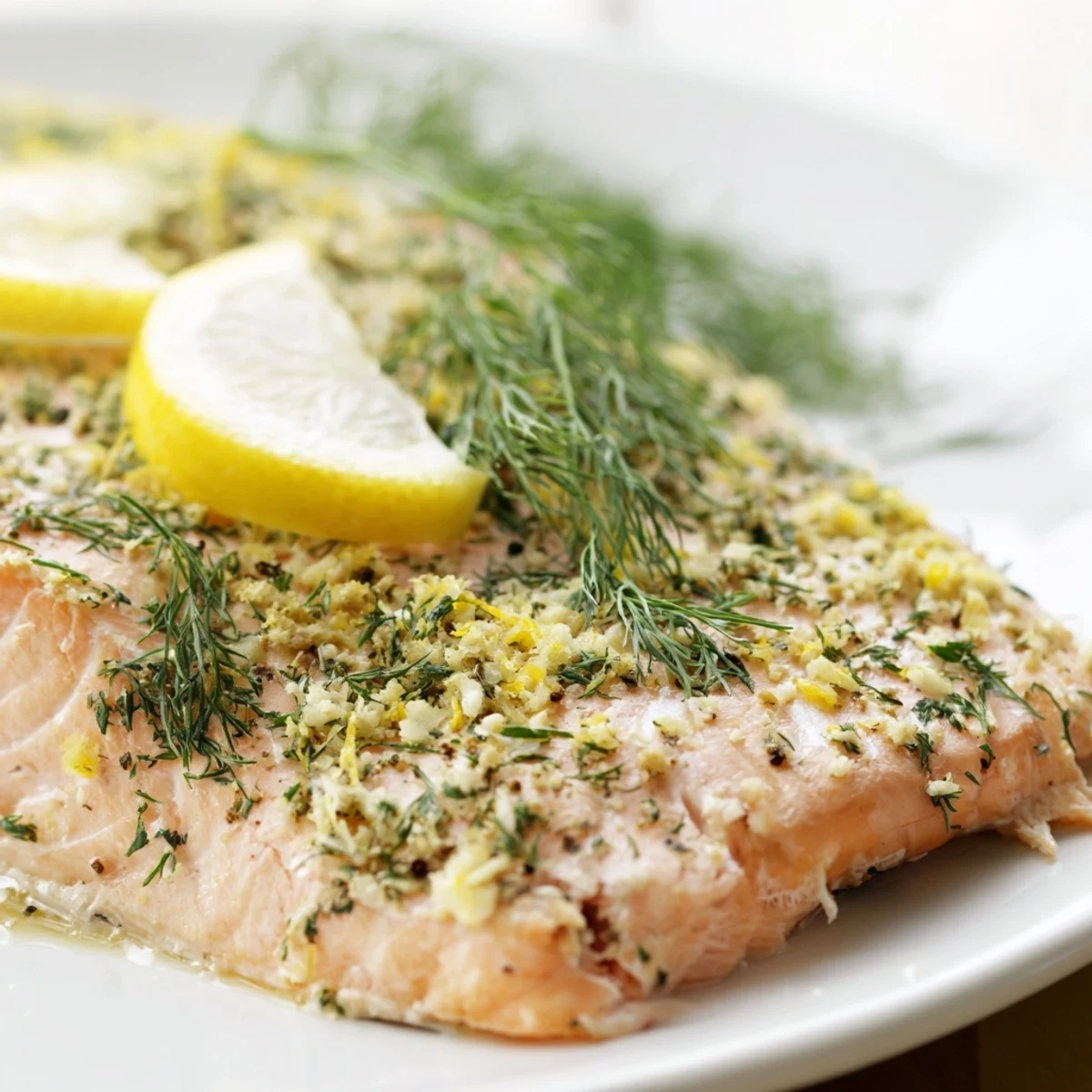
 Enjoy tender salmon fillets seasoned with olive oil, sea salt, black pepper, garlic powder, and dill, then baked until perfectly flaky. The addition of lemon zest and slices offers a bright, fresh flavor that complements the fish's richness. This dish is quick to prepare, making it an ideal healthy option for any meal, suitable for gluten-free and low-carb diets. Simple techniques and fresh ingredients ensure a flavorful, satisfying plate.
I discovered the magic of baked salmon on a Tuesday evening when my neighbor knocked on the door with a cooler full of fresh catches from the morning's fishing trip. She handed me four beautiful fillets and said, "Just put these in the oven with lemon—you'll thank me later." That simple gesture became my go-to weeknight dinner, the one I'd make when I needed something that felt fancy but required almost no fuss. Now whenever I slide a salmon fillet into the oven, that whole evening comes back to me.
The first time I made this for my family, I was nervous about overcooking it. My dad took one bite, closed his eyes, and said, "This tastes like you went to culinary school." He had no idea I'd spent more time slicing the lemon than actually cooking. That moment taught me that sometimes the simplest things, when done with care, impress people more than complicated fussing ever could.
Ingredients
- Salmon fillets (4 fillets, about 6 oz each): Look for fillets with firm flesh and a slight shimmer; the fresher they are, the better the flavor and texture will be.
- Olive oil (2 tablespoons): A good quality oil carries so much of the flavor, so don't skimp here—it makes a real difference.
- Sea salt (1 teaspoon): Coarse salt won't dissolve as fast, giving you little bursts of flavor instead of an overly salty fish.
- Freshly ground black pepper (½ teaspoon): The moment you crack it fresh, you'll smell the difference compared to pre-ground.
- Garlic powder (1 teaspoon): This adds depth without overpowering the delicate salmon flavor.
- Dried dill or fresh dill (1 teaspoon dried or 1 tablespoon fresh, chopped): Dill and salmon are basically made for each other; fresh dill has a brighter taste, but dried works beautifully too.
- Lemon zest (from 1 lemon): The zest gives you all the bright citrus without the excess moisture that juice would add.
- Lemon slices (from 1 lemon): These sit on top of the fillets while baking, infusing everything with subtle lemon flavor as they release their oils.
- Fresh dill sprigs (optional): A handful scattered on top at the end is your moment to make it look like you tried.
Instructions
- Heat your oven and prep your workspace:
- Set the oven to 200°C (400°F) and line a baking sheet with parchment paper or foil—this is your insurance policy against sticky mess. Having everything ready before you start means you won't be scrambling when the oven is hot.
- Dry the salmon completely:
- Pat each fillet with paper towels until it's completely dry; this helps the seasoning stick and the skin crisp up beautifully. Place them skin-side down on your prepared sheet, giving each one a little breathing room.
- Coat with oil and seasonings:
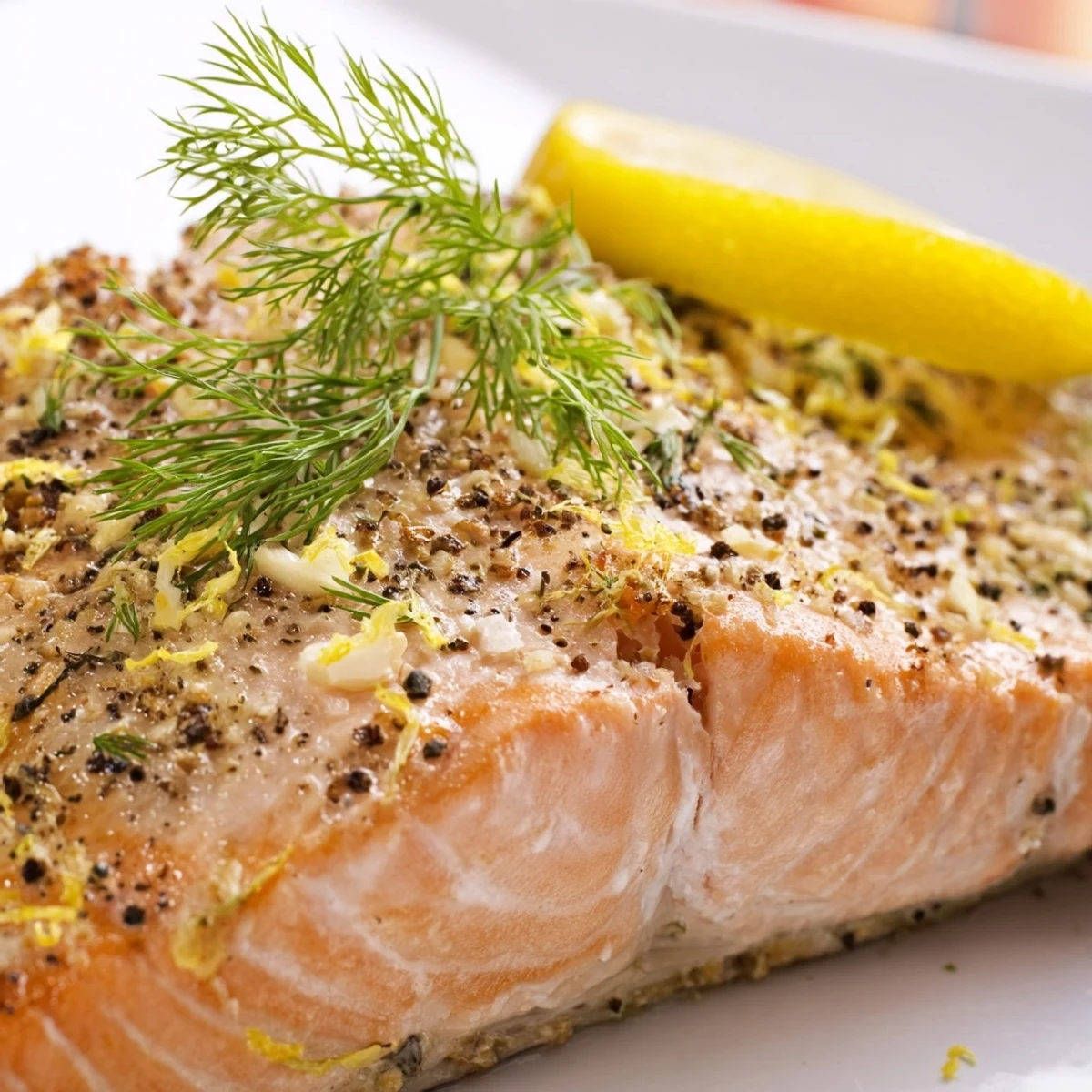
- Drizzle olive oil over each fillet and use your fingers or a pastry brush to spread it evenly across the flesh. Sprinkle the salt, pepper, garlic powder, dill, and lemon zest in one smooth motion—it looks more intentional that way.
- Add the lemon crown:
- Top each fillet with a lemon slice; as the fish bakes, the lemon will soften and release its flavor directly into the salmon. It's both functional and beautiful.
- Bake until just cooked through:
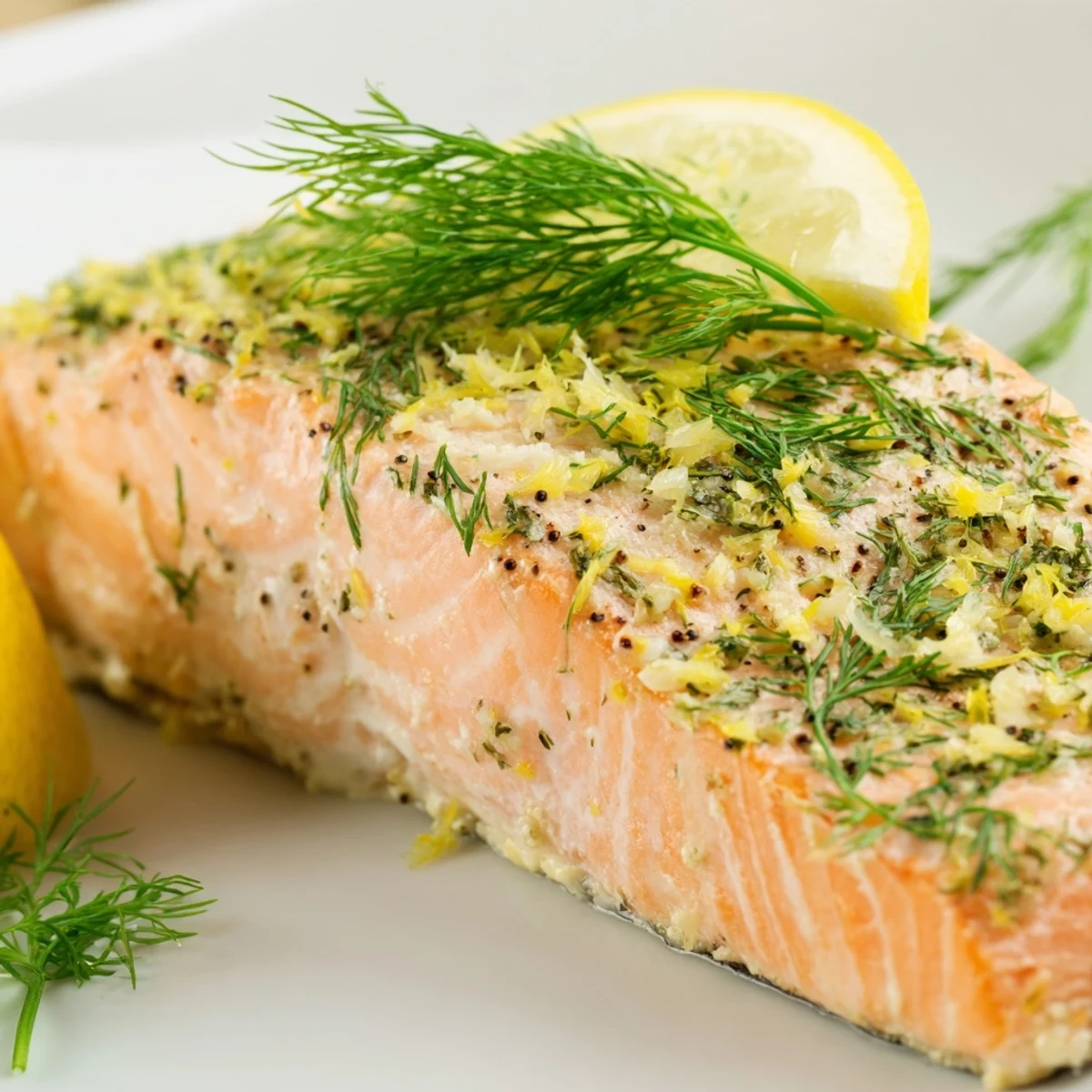
- Bake for 15–18 minutes; the salmon is done when it's opaque throughout and flakes easily with a fork, or when it reaches an internal temperature of 63°C (145°F). If you're unsure, go for the shorter time first—you can always bake another minute, but you can't undo overdone fish.
- Rest and serve:
- Let it sit for about a minute straight out of the oven; this brief rest lets everything settle. Scatter fresh dill on top if you have it, and serve immediately while it's still warm and steaming.
 Save to Pinterest
 I once made this for a date and spent so much time worrying about the timing that I barely tasted my own dinner. But watching him enjoy every bite, watching him slow down to really savor it, I realized that sometimes feeding someone well is its own kind of love language.
Why This Method Works
Baking salmon at a high temperature (400°F) is the sweet spot between speed and tenderness. The dry heat cooks the fish evenly without drying it out, while the skin-down placement lets the bottom gently crisp. Parchment paper keeps cleanup minimal and prevents sticking, which means you get those gorgeous fillets intact and unbroken. Everything about this method honors the salmon itself instead of fighting against it.
Flavor Combinations That Transform This Dish
Dill is the obvious pairing, but I've learned that salmon is incredibly flexible. Once I swapped the dill for basil and added a touch of balsamic vinegar—it tasted almost Italian. Another time, I used parsley with a whisper of chives, and it felt somehow lighter and more spring-like. The core technique stays the same; only the seasonings shift your whole experience.
Making It Your Own
The beauty of this recipe is that it's simple enough to practice and tweak until it becomes second nature. You might notice the salmon cooks slightly faster or slower depending on thickness, so pay attention to how your oven behaves. Once you've made it a few times, you'll know exactly when to pull it out without thinking.
- Try marinating the salmon in olive oil, lemon juice, and fresh herbs for 15 minutes before baking if you want deeper flavor.
- Pair it with steamed vegetables, fluffy rice, or a crisp green salad to round out the meal.
- If you're short on dill, chives, parsley, or even tarragon work beautifully as substitutes.
 Save to Pinterest
 This recipe became my anchor dinner because it proved that simple, quality ingredients and honest cooking techniques are all you really need. Every time I make it, someone asks for the recipe, and I always smile because there's nothing to hide—it's just salmon, lemon, and a hot oven.
Recipe FAQs
- → What temperature is best for baking salmon fillets?
-
Bake salmon at 200°C (400°F) for 15–18 minutes to achieve a tender, flaky texture.
- → Should the salmon fillets be skin-on or skinless?
-
Both skin-on and skinless fillets work well; skin-on helps keep the fish moist during baking.
- → Can I substitute dill with other herbs?
-
Yes, parsley, basil, or chives can be used to vary the flavor profile.
- → Is it necessary to let the salmon rest after baking?
-
Letting salmon rest for a minute helps retain its juices and enhances tenderness.
- → How can I add extra flavor before baking?
-
Marinate salmon in olive oil, lemon juice, and herbs for 15 minutes prior to baking.