
 Save to Pinterest
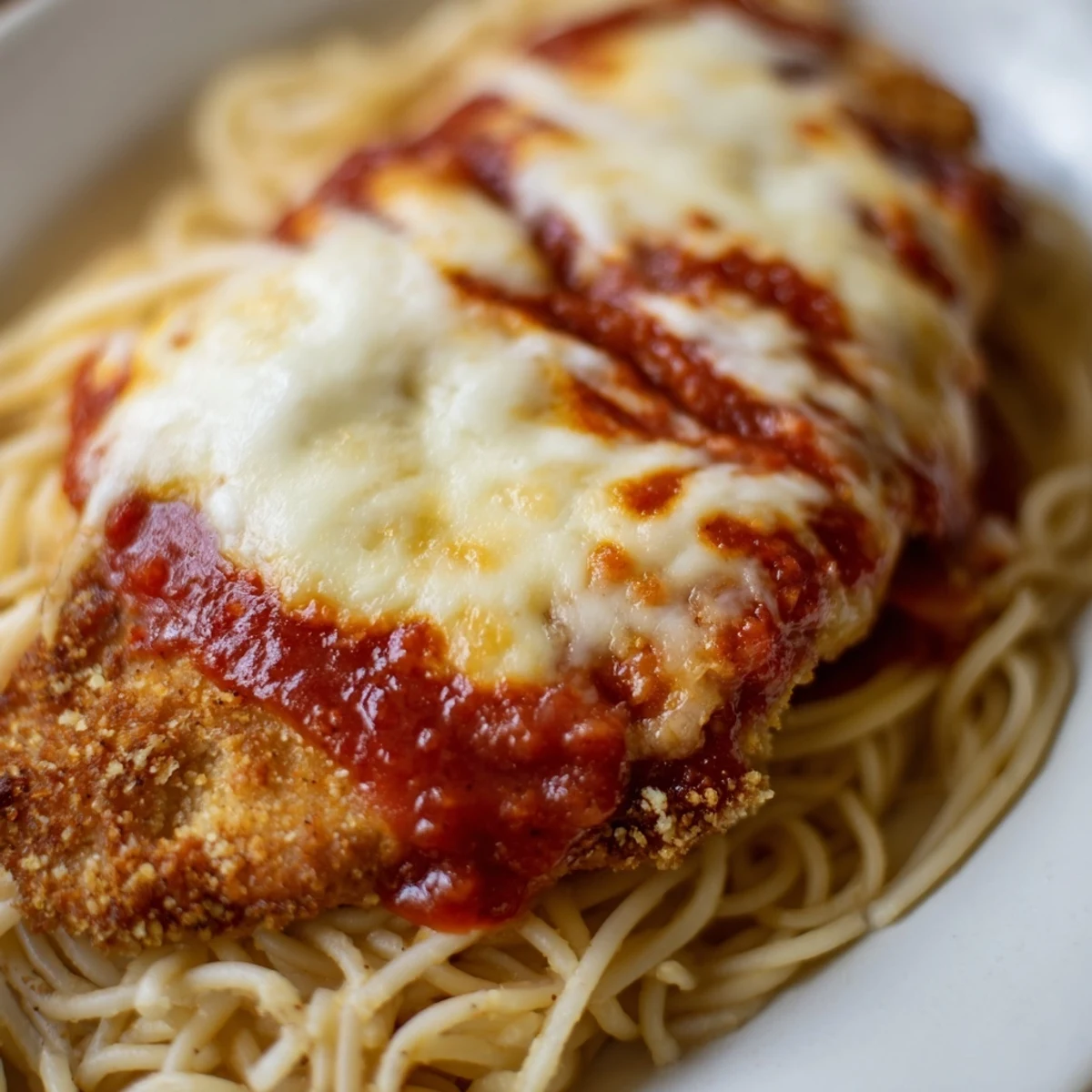
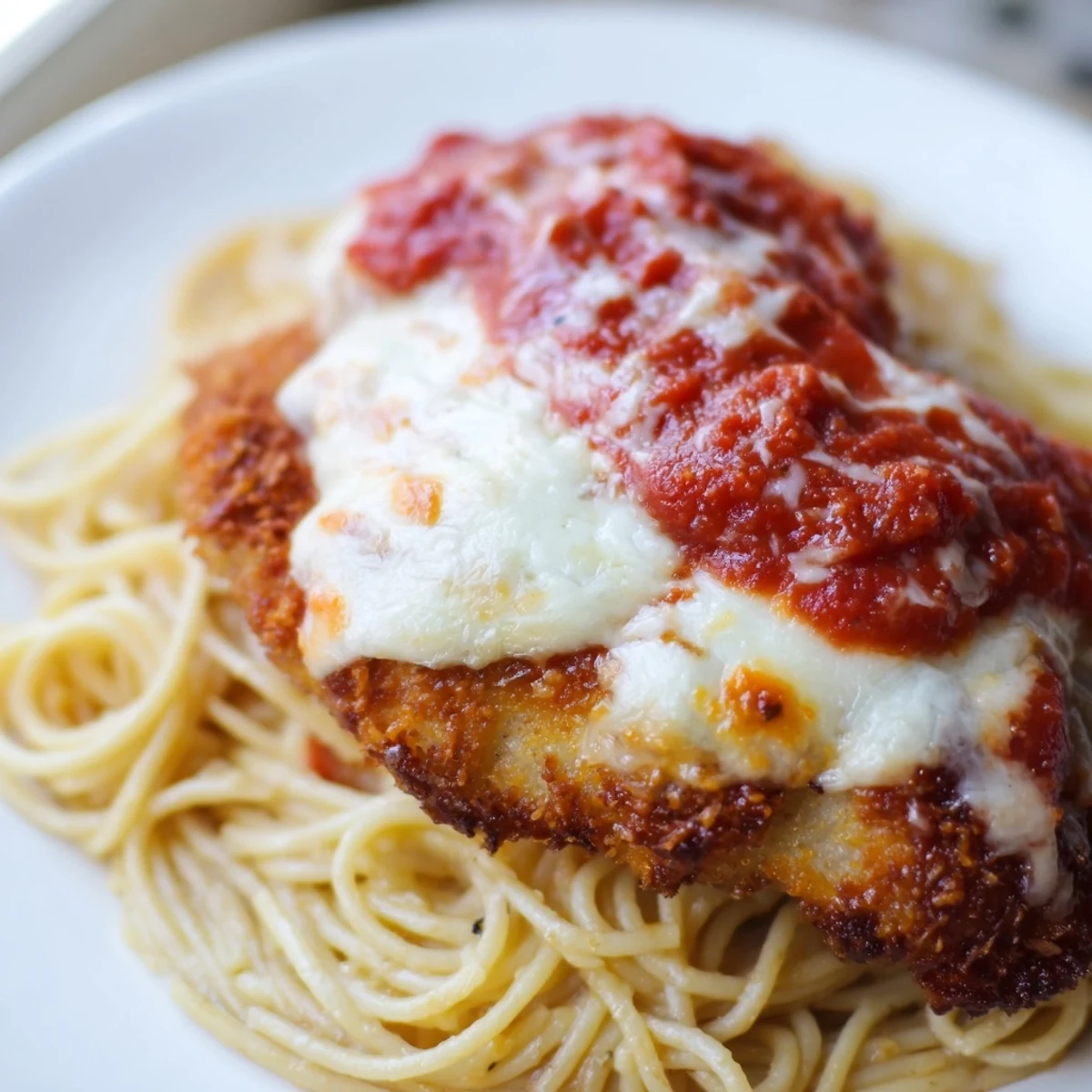
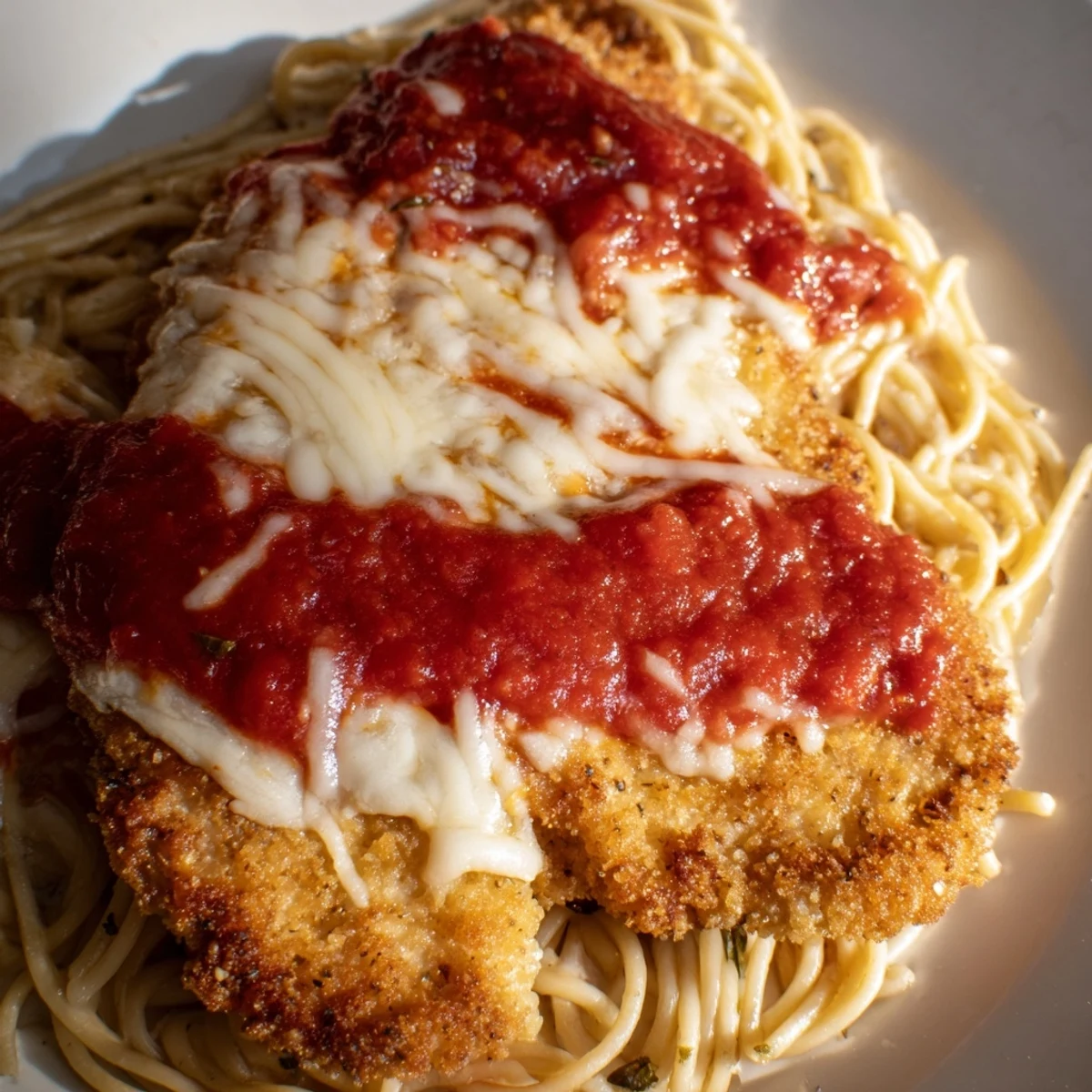
 This dish features tender breaded chicken breasts fried until golden, topped with a rich marinara sauce and melted mozzarella. Served over perfectly cooked spaghetti, it's a comforting classic that harmonizes tangy tomato flavors with savory cheese. Preparation includes making a fragrant garlic and herb marinara simmered to perfection and frying chicken coated in Italian-style breadcrumbs and Parmesan. Baking finishes the chicken with gooey cheese on top. Ideal for family dinners, it offers a satisfying combination of textures and Italian-American flavors.
There's something about the sound of chicken hitting hot oil that takes me straight back to my nonna's kitchen—that sharp sizzle followed by the aroma of garlic and tomatoes simmering on the stove. The first time I made chicken parm on my own, I was convinced I'd ruin it, but somewhere between breading the chicken and pulling it from the oven with melted cheese bubbling over the edges, I realized this dish wasn't complicated at all. It's just good ingredients treated with care, layered together to create something that tastes like love on a plate.
I remember bringing this to a potluck once, nervous that showing up with chicken parm felt too pedestrian, but watching everyone go back for seconds—and the way my friend Marcus insisted on knowing exactly how I made it—taught me that sometimes the most beloved dishes are the honest ones. There's no pretense here, just golden chicken, vibrant red sauce, and the unmistakable comfort of carbs.
Ingredients
- Boneless, skinless chicken breasts (4, about 150 g each): Look for breasts that are relatively uniform in thickness; if they're wildly different sizes, the thinner ones will overcook while you wait for the thick ones.
- All-purpose flour (1 cup): This is your foundation for the coating—don't skip it, and don't get tempted to use self-rising flour unless you want a different texture.
- Eggs (2 large) and milk (2 tbsp): The egg wash is what makes the breadcrumbs stick; the milk helps it spread evenly without being too thick.
- Italian-style breadcrumbs (1 1/2 cups): Panko works beautifully here if that's what you have, giving you that extra crunch that regular breadcrumbs can't quite achieve.
- Grated Parmesan cheese (1/2 cup for coating, plus 1/4 cup for topping): Buy it fresh if you can; the pre-grated stuff has anti-caking agents that affect how it browns.
- Garlic powder (1 tsp) and dried oregano (1 tsp for coating): These season the breading itself, so you're getting flavor in every bite, not just on the surface.
- Salt and black pepper: Taste as you go; these humble seasonings are doing more work than you might think.
- Olive oil (1/4 cup for frying, plus 2 tbsp for sauce): Choose something you wouldn't mind eating straight—extra virgin is overkill for frying, but don't use the cheapest option either.
- Shredded mozzarella cheese (1 1/4 cups): Low-moisture mozzarella melts better and won't make your chicken soggy; avoid fresh mozzarella for this step.
- Canned crushed tomatoes (800 g): San Marzano tomatoes make a noticeable difference if you're feeling fancy, but any good-quality crushed tomatoes will serve you well.
- Garlic (3 cloves, minced) and small onion (finely chopped): These build the foundation of your sauce; don't rush sautéing them or you'll miss half the flavor development.
- Dried basil (1 tsp) and dried oregano (1 tsp for sauce): I know you're seeing oregano twice, but trust the recipe—it's a key player here.
- Sugar (1/2 tsp): This balances the acidity of the tomatoes without making the sauce taste sweet; it's a secret weapon.
- Fresh parsley (1 tbsp, chopped, optional): If you have it, add it at the end—it brightens everything.
- Dry spaghetti (400 g) and salt for pasta water: Cook it until it's tender but still has a little bite; mushy spaghetti is the real tragedy here.
Instructions
- Get your oven ready and prep your workspace:
- Preheat your oven to 200°C (400°F) and line a baking sheet with parchment paper so cleanup is easier later. This gives your oven time to reach temperature while you work through the other steps.
- Build your marinara sauce:
- Heat 2 tbsp olive oil in a saucepan over medium heat, then add your minced garlic and chopped onion; let them soften and turn fragrant, about 3 minutes. Stir in the crushed tomatoes, basil, oregano, salt, pepper, and sugar, then let it all simmer gently for 15–20 minutes, stirring now and then so nothing sticks to the bottom. This is where patience pays off—a longer simmer develops deeper flavor.
- Pound your chicken to even thickness:
- Place each chicken breast between two sheets of plastic wrap and use a meat mallet or the bottom of a heavy pan to gently but firmly pound it to an even thickness of about 1.5–2 cm. Even thickness means even cooking, which means no dry edges and undercooked centers.
- Season the pounded chicken:
- Sprinkle both sides of each breast with salt and pepper, letting the seasoning sit for a moment so it adheres.
- Set up your breading station:
- Arrange three shallow bowls in a row: put flour in the first, beat together 2 eggs with 2 tbsp milk in the second, and combine breadcrumbs, 1/2 cup Parmesan, garlic powder, and oregano in the third. Having everything ready before you start breading saves you from standing there with a goopy hand trying to figure out what's next.
- Bread each chicken breast:
- Take one breast, dredge it thoroughly in flour (shaking off excess), dip it in the egg mixture (making sure it's fully coated), then press it into the breadcrumb mixture, flipping to coat both sides generously. Set it on a clean plate and repeat with the remaining breasts.
- Fry until golden brown:
- Heat 1/4 cup olive oil in a large skillet over medium-high heat until it shimmers; carefully lay each breaded chicken breast in the oil and fry for 3–4 minutes per side until the coating is golden brown and crispy. The chicken won't be fully cooked at this point, and that's exactly right.
- Transfer to your baking sheet:
- Using tongs, move the fried chicken to your parchment-lined baking sheet, arranging them so they're not touching.
- Top with sauce and cheese:
- Spoon a generous amount of warm marinara sauce over each piece of chicken, then sprinkle shredded mozzarella and extra Parmesan on top. Don't be shy with the cheese—it's what makes this dish sing.
- Bake until cooked through and bubbly:
- Slide the baking sheet into your preheated oven and bake for 15–18 minutes, or until the internal temperature of the chicken reaches 74°C (165°F) and the cheese is melted and bubbling at the edges. You'll know it's ready when it looks golden and a little bit charred in spots.
- Cook your spaghetti:
- While the chicken bakes, bring a large pot of salted water to a boil and cook your spaghetti according to the package instructions until it's al dente—tender but with a slight firmness when you bite it. Drain it and set aside.
- Plate and serve:
- Twirl or heap spaghetti onto each plate, top with extra marinara sauce, then carefully place a chicken parm breast on top. Garnish with fresh basil or parsley if you have it, and enjoy while everything is still warm.
 Save to Pinterest
 There's a moment right before you plate this—when the cheese is still bubbling, the sauce is still steaming, and the kitchen smells like garlic and tomatoes and comfort—where you realize that this dish isn't about being fancy or complicated. It's about showing up for the people at your table with something made by your own hands, warm and generous and deeply satisfying.
The Art of the Breading
The breading is what transforms ordinary chicken into something with texture and presence. I used to skip the flour step entirely, thinking I could just do egg and breadcrumbs, but that's when I learned that the flour acts as a glue, helping the breadcrumbs stick and creating that golden crust you're after. The moment your breaded chicken hits hot oil and immediately starts sizzling, you'll understand why this step matters—it's the difference between a coat that stays put and one that flakes off mid-bite.
Sauce Stories
A good marinara sauce doesn't need to simmer for hours; 15–20 minutes is enough time for the flavors to marry and the raw tomato taste to mellow into something round and welcoming. The sugar isn't a secret ingredient as much as a quiet helper—it balances acidity without announcing itself. I learned this by accident once when I left out the sugar and wondered why the sauce tasted a bit sharp; now I measure it with intention, and the difference is real.
Making It Your Own
While the classic version is hard to beat, this dish welcomes adjustments. Some nights I add a pinch of red pepper flakes to the sauce for a gentle heat, other times I slip a slice of prosciutto under the cheese before baking for a salty richness. If you want a lighter version, you can bake the breaded chicken at 200°C (400°F) for about 20 minutes before adding sauce and cheese, which gives you a different texture—less crispy but still deeply satisfying.
- For a lighter version, bake the breaded chicken instead of frying: Bake at 200°C (400°F) for 20 minutes before topping with sauce and cheese.
- If gluten is a concern, swap the all-purpose flour and regular breadcrumbs for gluten-free versions and check that your other ingredients are certified gluten-free.
- A simple green salad and a glass of Chianti alongside this dish turn an ordinary dinner into something that feels a little bit celebratory.
 Save to Pinterest
 This dish has earned a permanent spot in my dinner rotation because it delivers every single time, and because watching people enjoy food you made from scratch is one of the small joys that keeps cooking interesting. Make it tonight, and I promise you'll understand why it's a classic.
Recipe FAQs
- → How do I ensure the chicken stays crispy?
-
Coat the chicken evenly with breadcrumbs and fry in hot oil until golden. Baking afterward melts the cheese without sacrificing crispiness.
- → What pasta works best for this dish?
-
Traditional dry spaghetti is preferred, cooked al dente to provide a firm texture that complements the saucy chicken.
- → Can I prepare the marinara sauce in advance?
-
Yes, simmering the sauce ahead allows flavors to meld. Reheat gently before topping the chicken.
- → Is it possible to bake the chicken instead of frying?
-
Absolutely. Baking breaded chicken at 200°C for 20 minutes achieves a lighter texture before adding sauce and cheese.
- → How should I season the breadcrumb mixture?
-
Mix Italian-style breadcrumbs with grated Parmesan, garlic powder, and dried oregano for balanced, savory flavor.