
 Save to Pinterest
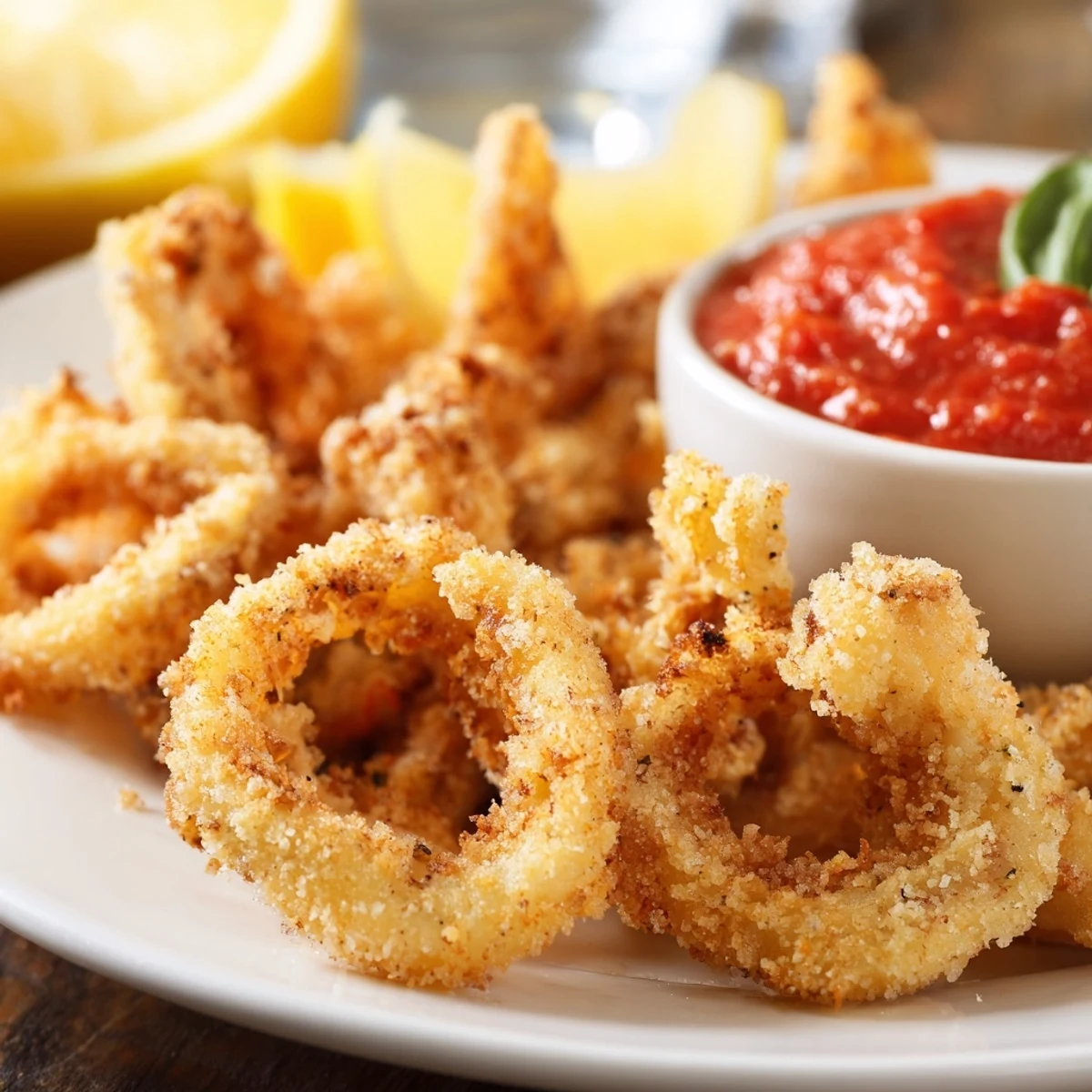
 Delight in tender calamari rings, lightly coated with a seasoned blend of flour and cornmeal, then fried until golden and crisp. Paired with a warm, tangy marinara sauce simmered with garlic, onion, and herbs, this Mediterranean-inspired dish offers a perfect balance of flavors and textures. Serve hot with lemon wedges to enhance the fresh seafood taste. Ideal for a flavorful appetizer or light meal.
There's a restaurant in a quiet corner of Naples where the chef fries calamari so thin and tender that it practically melts on your tongue, and I spent an entire afternoon watching her hands move through the process—the quick dip, the golden sizzle, the knowing moment she pulled each batch out. Years later, I realized I was chasing that memory in my own kitchen, and one evening when the oil hit exactly the right temperature and the rings emerged crackling and pale gold, I understood that this dish isn't about technique alone, it's about patience and respect for something so simple.
I made this for a dinner party on a summer night when someone mentioned they'd never had calamari before, and watching their face when they tasted that first piece—the surprise that something so unfamiliar could taste so good—reminded me why I love cooking for people. The whole kitchen smelled like garlic and tomatoes and that warm, toasted oil scent, and by the end of the night, the marinara bowl was empty and someone was already asking when I'd make it again.
Ingredients
- Fresh calamari, cleaned and cut into 1/2-inch rings (500 g or 1 lb): Look for calamari that's pale and fresh-smelling; frozen is perfectly fine and often easier to work with since it's pre-cleaned. The 1/2-inch size is crucial—too thin and they'll toughen, too thick and the coating won't crisp properly.
- All-purpose flour (120 g or 1 cup): This is your base for the coating, and it needs to be combined with cornmeal to create that ideal texture.
- Cornmeal or fine semolina (60 g or 1/2 cup): This is what gives you the crunch—semolina creates an even finer, more delicate crispness if you can find it.
- Sea salt (1 tsp) and black pepper (1/2 tsp): Seasoning the coating matters as much as seasoning the fish; don't skip tasting as you go.
- Smoked paprika (1/2 tsp, optional): Adds a whisper of warmth and color, but it's truly optional if you prefer pure calamari flavor.
- Vegetable oil for deep frying (750 ml or 3 cups): The oil temperature is everything; use a thermometer and don't eyeball it.
- Canned crushed tomatoes (400 g or 14 oz): Good quality matters here since it's the main ingredient in your sauce—San Marzano if you can swing it.
- Olive oil (2 tbsp for sauce): Extra virgin is wasted in the sauce when heat will damage its flavor, so use regular quality.
- Garlic cloves, minced (2): Mince them right before cooking so they don't oxidize and turn bitter.
- Small onion, finely chopped (1/2): The onion dissolves into the sauce and adds natural sweetness; don't skip it.
- Dried oregano (1/2 tsp), chili flakes (1/4 tsp), and sugar (1/2 tsp): These three work together to balance acidity and add depth—taste as the sauce simmers and adjust.
- Fresh basil, chopped (1 tbsp, optional): Stir this in at the very end so it stays bright green and fragrant.
- Lemon wedges (from 1 lemon, for serving): The acidity cuts through the richness and brings everything into focus.
Instructions
- Start the marinara first:
- Heat olive oil in a small saucepan over medium heat and sauté the chopped onion until it softens and turns translucent, about 2 minutes. Add the minced garlic and let it toast for just 30 seconds—you want it fragrant, not brown. Stir in the crushed tomatoes, oregano, chili flakes, sugar, salt, and pepper, then simmer uncovered for 10–15 minutes, stirring occasionally.
- Give the calamari a cold rinse:
- Run the calamari rings under cold running water and pat them completely dry with paper towels—any moisture clinging to them will cause splattering and prevent crisp browning. This step feels tedious but it's non-negotiable.
- Mix your coating:
- In a shallow bowl, combine the flour, cornmeal, salt, black pepper, and smoked paprika, stirring well so the paprika distributes evenly. Add the dried calamari rings and toss gently until every piece is coated, then shake each batch over the bowl to remove excess flour—you want a thin, even coating, not clumps.
- Get your oil to the right temperature:
- Pour vegetable oil into your deep fryer or a heavy-bottomed pot and heat it to 180°C (350°F), using a thermometer to verify. If the oil isn't hot enough, the calamari will absorb oil and become greasy; if it's too hot, the outside will burn before the inside cooks through.
- Fry in small batches:
- Working with just a handful of rings at a time to avoid crowding, carefully lower them into the hot oil and watch them immediately begin to bubble and turn golden. They'll cook in 1–2 minutes—listen for the sizzle to quieten slightly, which signals they're done.
- Drain and serve:
- Use a slotted spoon to remove each batch and place them on a paper towel-lined plate to drain any excess oil. Serve the hot calamari immediately with lemon wedges and that warm marinara sauce for dipping.
 Save to Pinterest
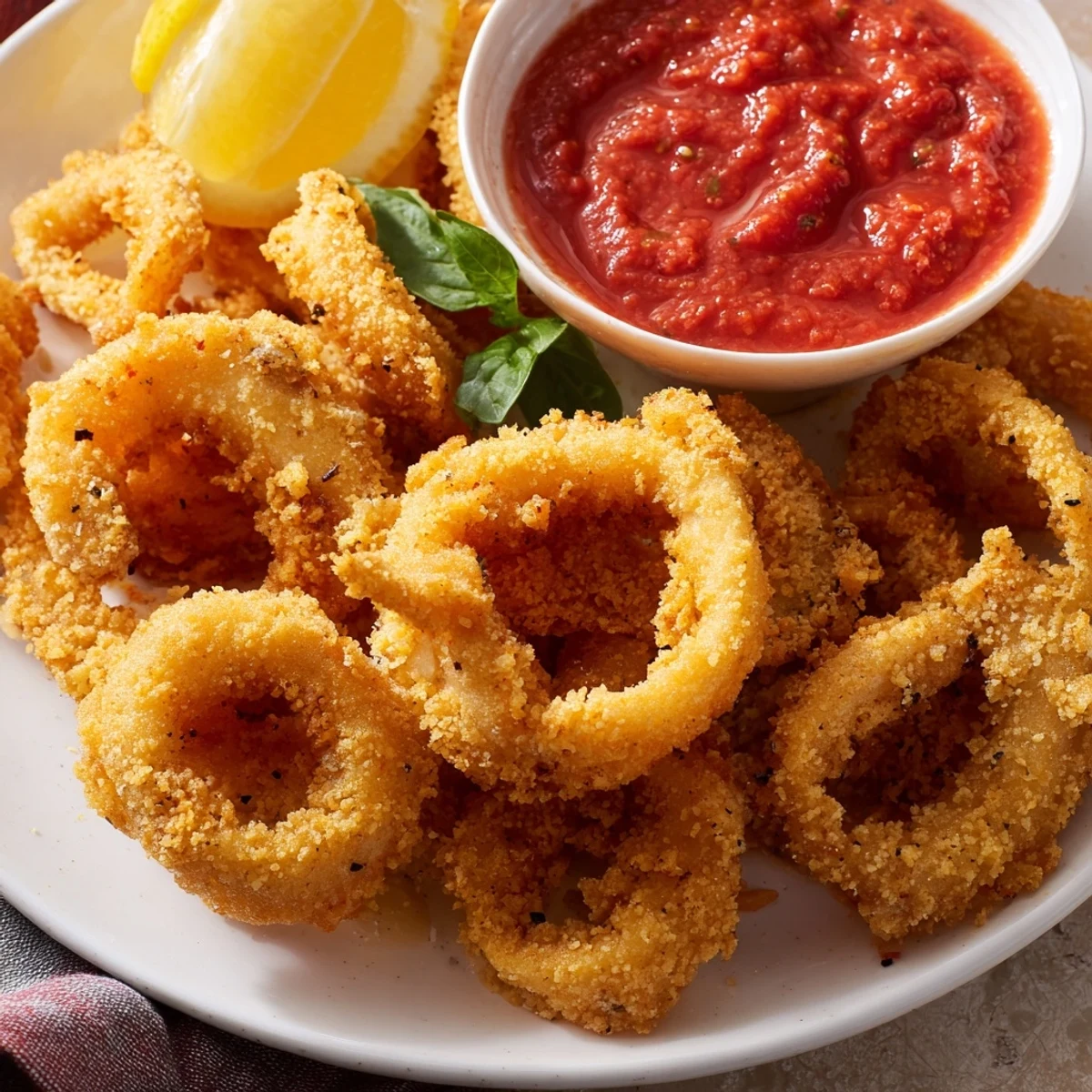
 The moment when you pull that first batch from the oil and the steam rises up and hits your face, and the rings are golden and making that satisfying crunch sound when you bite into them—that's when calamari stops being intimidating and becomes something you want to make again and again. It's the kind of dish that tastes indulgent but requires only straightforward ingredients and attention, which is its own kind of magic.
Why the Oil Temperature Really Matters
I learned this the hard way one Friday night when I got impatient and started frying before the thermometer registered 180°C, and those calamari came out soft and greasy instead of crispy and tender. The difference between 165°C and 180°C is the difference between rubbery rings and ones that crackle between your teeth, and it's such a small thing but it changes everything. Use a thermometer, keep it in the oil the whole time, and don't rush—your patience will taste delicious.
The Marinara Sauce Is Worth the Simmer
A slow simmer of 10–15 minutes transforms canned tomatoes into something that tastes like you've been cooking it all day, because the heat coaxes out sweetness and melds the flavors together into something deeper than the sum of the parts. That sugar isn't there to make it sweet—it balances the acidity of the tomatoes, and you'll notice the difference immediately when you taste it. The basil goes in at the very end, just a minute before serving, so it stays bright and fragrant instead of losing itself into the heat.
Small Touches That Make It Feel Special
The lemon wedges served alongside are not decoration—squeeze them over the hot calamari right before you eat it, and the acid cuts through the richness and brings the whole dish into sharp focus. A pinch of smoked paprika in the coating adds a subtle warmth if you enjoy that flavor, and chili flakes in the sauce can be increased if you like heat. If you're serving this alongside a crisp white wine like Pinot Grigio, that's when it truly feels like you're sitting in that Naples restaurant all over again.
- Serve everything hot—the calamari cools quickly and loses its crispness, so have your plates ready and your guests seated before you start frying.
- Make the marinara sauce up to an hour ahead and keep it warm on the stove; the flavor actually deepens while it sits.
- If you don't have a thermometer, test the oil's temperature by dropping a tiny piece of bread into it—it should sizzle immediately and brown in about 15 seconds.
 Save to Pinterest
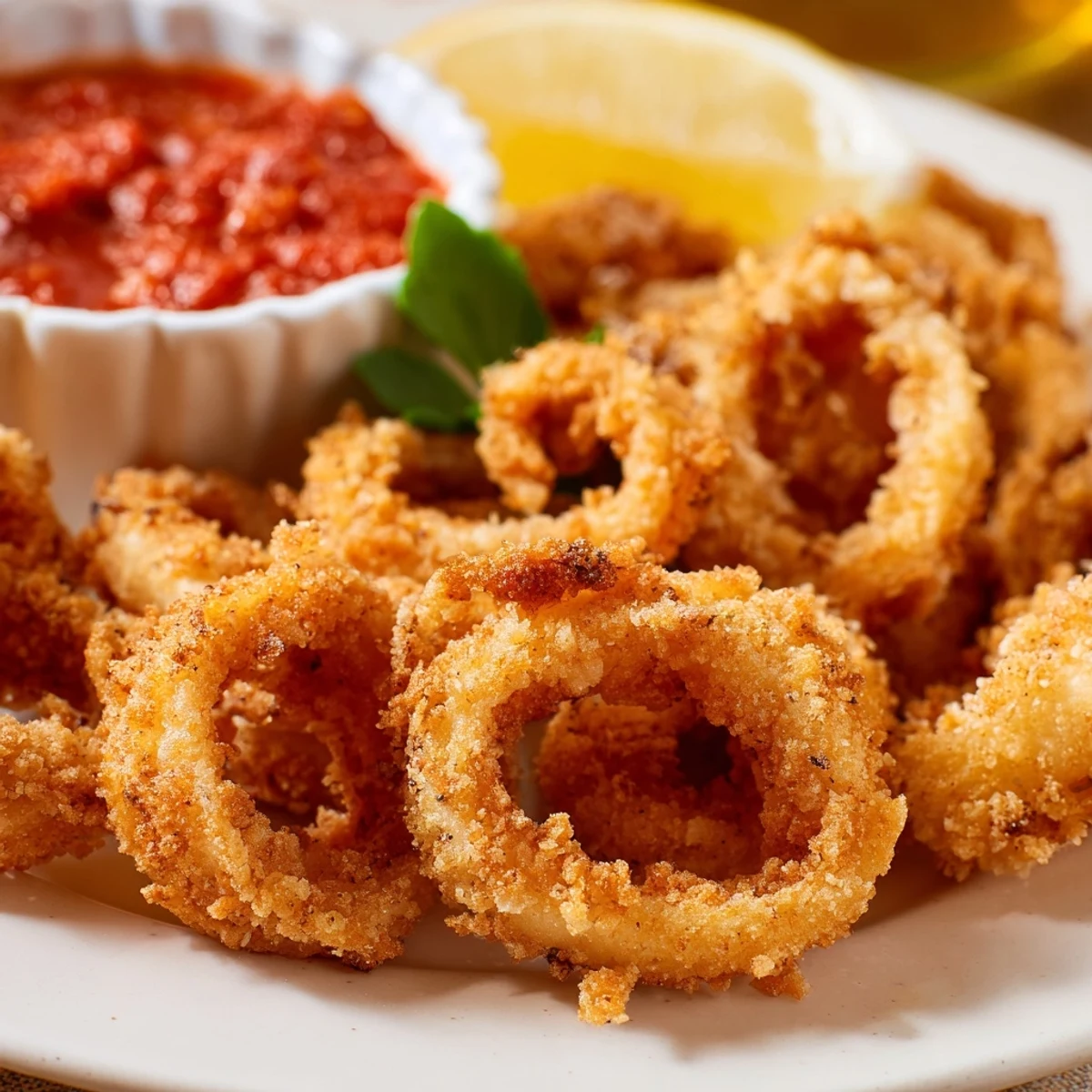
 This dish reminds me that some of the most memorable meals come from simple ingredients handled with care and respect. Make it for people you want to impress, or make it for yourself on a Tuesday night when you want to feel like you're somewhere else entirely.
Recipe FAQs
- → How do you achieve crispy calamari?
-
Coating calamari rings in a mixture of flour and cornmeal before frying at the right temperature ensures a golden, crispy texture.
- → What is the best oil for frying calamari?
-
Vegetable oil with a high smoke point is ideal for deep frying calamari to achieve even cooking without burning.
- → How can I keep the marinara sauce flavorful?
-
Simmering garlic, onion, herbs, and spices together allows the sauce to develop a rich, balanced taste.
- → Can I prepare the marinara sauce ahead of time?
-
Yes, the marinara sauce can be made in advance and gently reheated before serving.
- → What is a good garnish for fried calamari?
-
Lemon wedges add a fresh, zesty touch that complements the crispy fried calamari perfectly.