
 Save to Pinterest
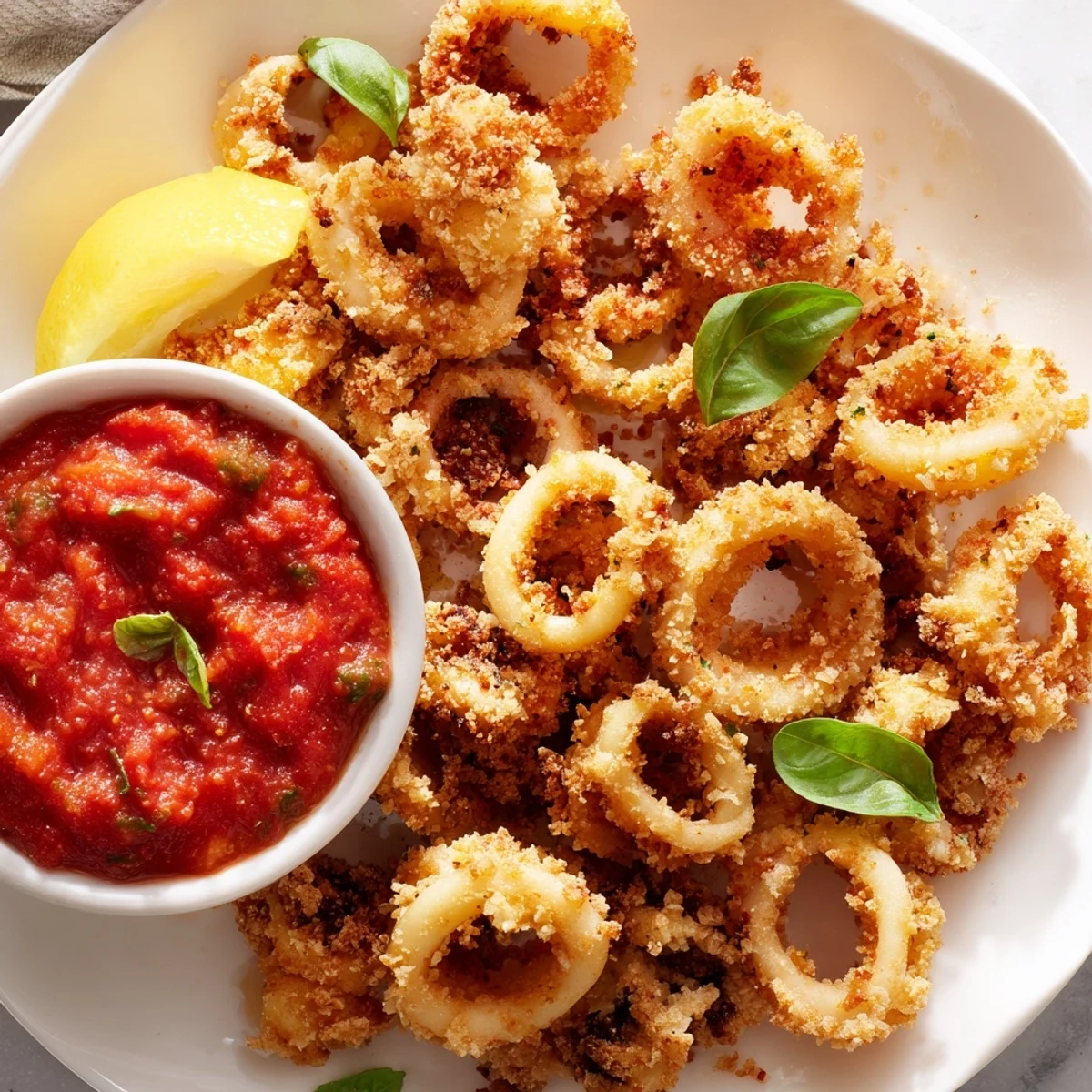
 Prepare tender squid rings by soaking them in buttermilk. Coat generously in a seasoned blend of flour and cornmeal. Deep fry until golden and crispy, then drain excess oil. Simmer crushed tomatoes with garlic, oregano, and chili flakes to create a zesty dipping accompaniment. Serve immediately with fresh lemon wedges for a satisfying appetizer.
My first encounter with truly crispy calamari happened at a tiny trattoria in Naples where the kitchen was visible from the dining room. I watched the cook work with such casual precision, dropping rings into hot oil and pulling them out moments later golden and impossibly tender. That night I understood that calamari isn't about fancy technique—it's about respecting the ingredient and getting the temperature exactly right.
I made this for my brother's surprise dinner party when he mentioned missing the seafood appetizers from his honeymoon in Italy. The look on his face when he bit into that first piece—that moment when you realize you've nailed something—made every minute worth it.
Ingredients
- Fresh calamari, cleaned and sliced into rings: Buy it the day you'll cook it, and always ask your fishmonger to clean it for you—saves time and guarantees better quality.
- Buttermilk: This isn't just for moisture; it tenderizes the calamari and helps the breading cling like it was meant to.
- All-purpose flour and fine cornmeal: The cornmeal is your secret weapon—it adds crunch that regular flour can't deliver alone.
- Garlic powder and paprika: Season boldly here; the hot oil will mellow any harshness, but underseasoning is impossible to fix later.
- Vegetable oil for frying: Use something neutral and high-heat tolerant—skip olive oil for frying unless you enjoy burnt flavors.
- Crushed tomatoes and fresh garlic: For the sauce, don't skimp on quality; your four-ingredient marinara rises or falls on tomatoes alone.
Instructions
- Soak the calamari:
- Place the rings in buttermilk and let them sit while you handle everything else. The slight acidity begins softening the calamari before it even hits heat, and that makes all the difference.
- Build your sauce:
- Heat olive oil and add garlic, listening for that quiet sizzle that tells you it's just right—stop before it turns golden or bitterness sneaks in. Stir in tomatoes, oregano, and chili flakes, then let it bubble gently for ten to twelve minutes, stirring now and then until the sauce darkens slightly and tastes rounder than it did at the start.
- Mix the breading:
- Combine flour, cornmeal, garlic powder, paprika, salt, and pepper in a shallow dish, mixing well so the seasonings distribute evenly. Taste a tiny pinch; it should taste good enough to eat on its own.
- Heat your oil:
- Bring oil to 180°C (350°F) in a deep pan or fryer—use a thermometer, as guessing usually means either pale, greasy results or burnt exteriors. The oil should shimmer but not smoke.
- Bread the calamari:
- Fish out the rings one handful at a time, shake off excess buttermilk, and coat thoroughly in the flour mixture, pressing gently so it adheres. Work in batches so you're not overwhelmed when frying begins.
- Fry in batches:
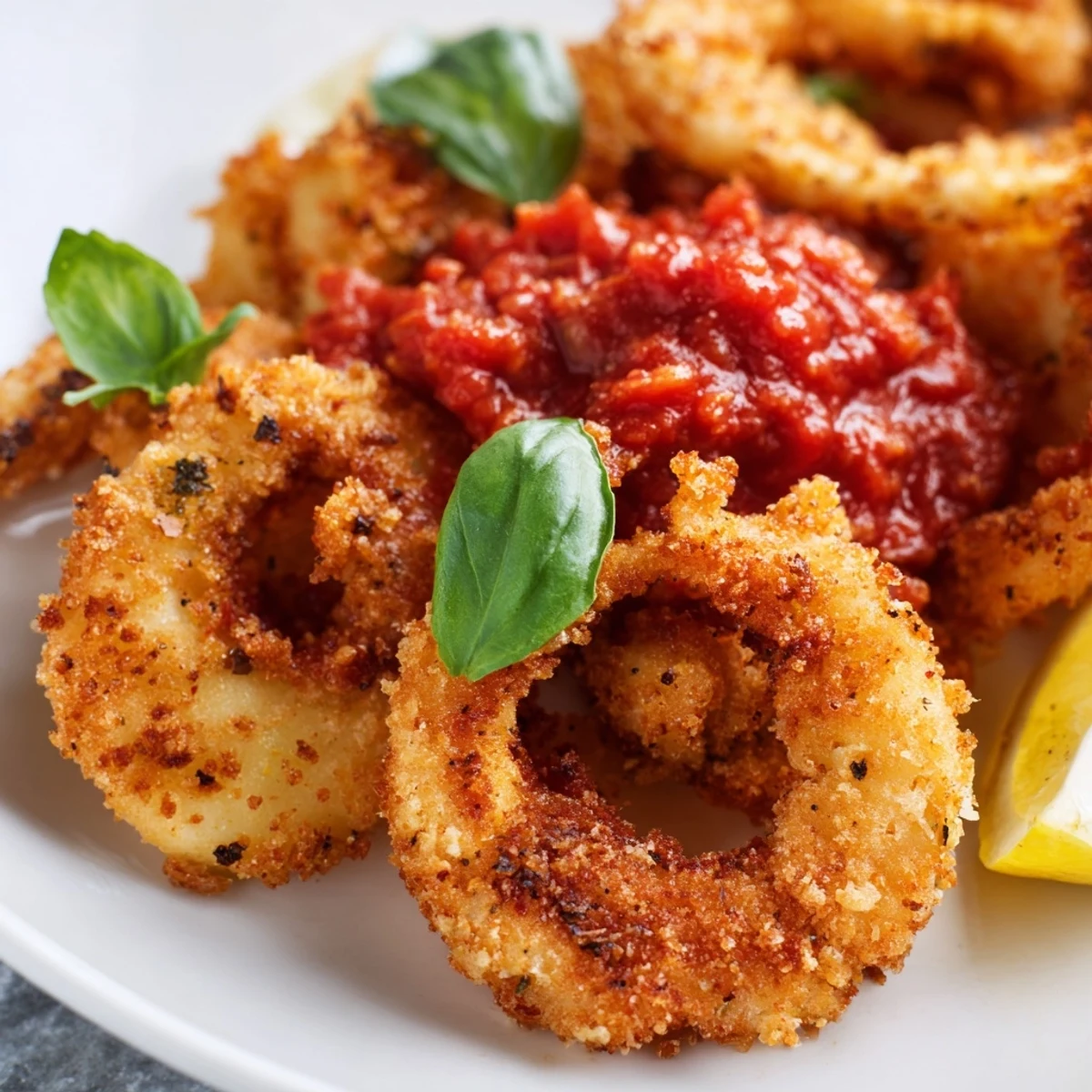
- Slide the rings into hot oil and listen for the immediate sizzle—it's everything. Let them fry for about ninety seconds, until golden and crispy, then use a slotted spoon to transfer them to paper towels, where they'll continue crisping as they cool.
- Finish and serve:
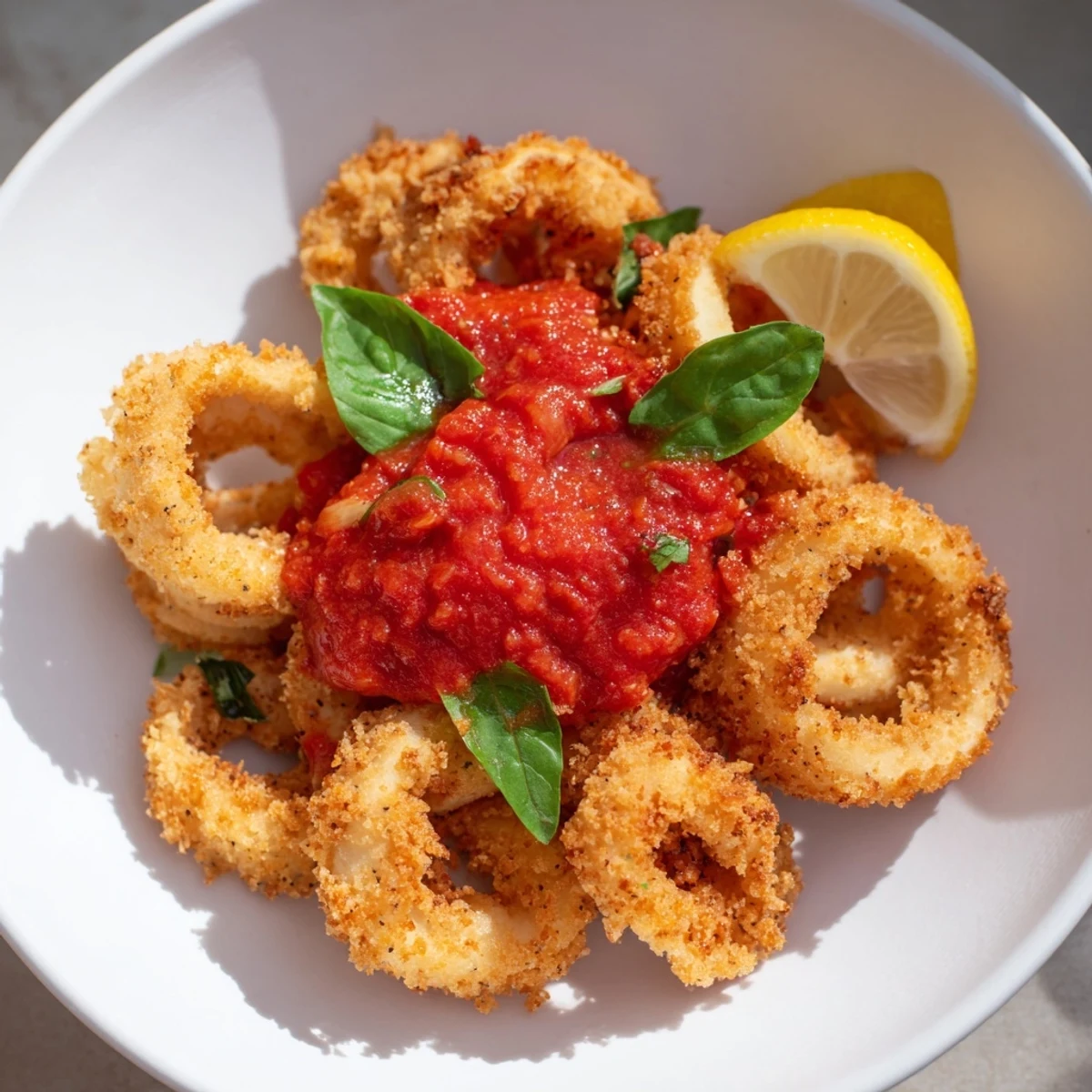
- Serve immediately while warmth and crispness are still there, with lemon wedges for brightness and warm marinara for dipping.
 Save to Pinterest
 My grandmother once told me that good food is really just an excuse to gather people around a table. When my friends were already reaching for a third piece of calamari before the marinara bowl was even half empty, I felt like I'd understood something she'd been trying to teach me all along.
The Double-Dip Secret
If you want ridiculous crispiness that lasts, double-dip: after the first buttermilk and flour coat, dunk back into buttermilk for five seconds, then into flour again. It sounds fussy but it changes everything, creating layers that stay shatteringly crisp even as the calamari stays tender inside.
Marinara That Tastes Like Hours
The magic of this sauce isn't complexity—it's letting garlic and tomatoes have a quiet conversation without too many interruptions. The chili flakes are optional, but a small pinch adds a warmth that makes people ask what your secret is. Fresh basil at the end is optional too, but it brightens everything and costs almost nothing.
Making It Your Own
Calamari can be intimidating if you're not used to cooking it, but here's the honest truth: if you respect the ingredient and don't overthink it, it's nearly impossible to mess up. The buttermilk, the seasoning, and the heat do most of the work for you.
- Shrimp works beautifully as a substitute if calamari isn't available, using the exact same process and timing.
- Serve alongside a crisp Pinot Grigio or Vermentino if you're making this for a proper dinner rather than a casual snack.
- Leftover marinara keeps for five days and is perfect on pasta, in soups, or straight from the fridge on bread.
 Save to Pinterest
 This recipe is the kind of food that reminds you why cooking for people matters. Serve it hot, share it generously, and watch it disappear.
Recipe FAQs
- → How do I ensure the calamari stays tender?
-
Soak the rings in buttermilk for at least 15 minutes before frying. This acidity helps break down fibers, ensuring a tender texture inside the crispy coating.
- → Can I bake this instead of deep frying?
-
Yes, arrange coated rings on a baking sheet and spray with oil. Bake at 400°F (200°C) for 10-12 minutes, flipping halfway, though the texture will be less crunchy than frying.
- → What oil is best for frying?
-
Use neutral oils with high smoke points like vegetable, canola, or peanut oil. These allow the seafood to cook at high heat without absorbing off-flavors.
- → How can I make the marinara sauce spicier?
-
Increase the amount of chili flakes in the sauce or add a pinch of cayenne pepper. Adjust the heat level to your preference while simmering the tomatoes.
- → Is it necessary to use cornmeal in the breading?
-
Cornmeal adds a distinct crunch and texture. You can substitute it with more flour, but the coating will be softer and less crisp compared to the original mix.