
 Save to Pinterest
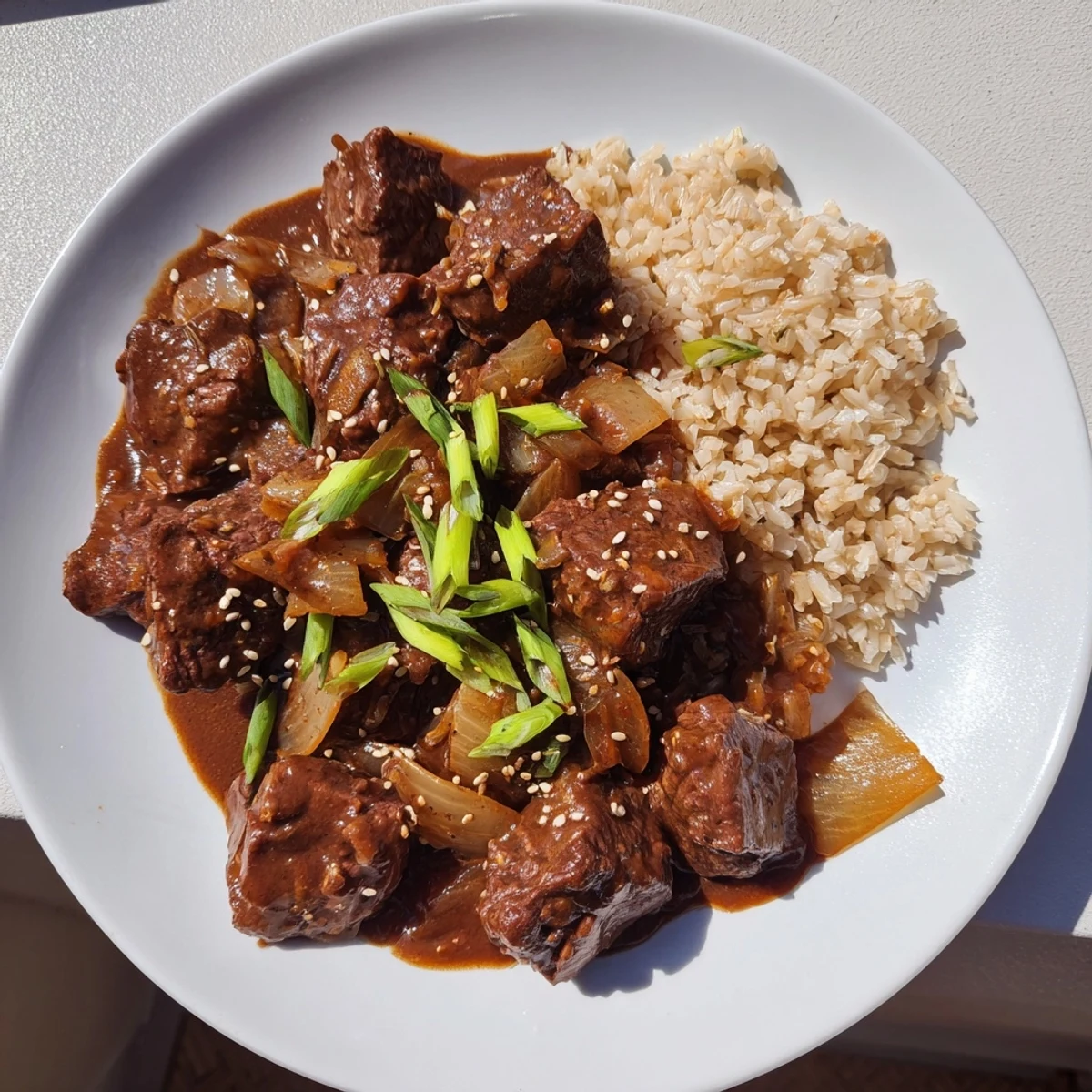
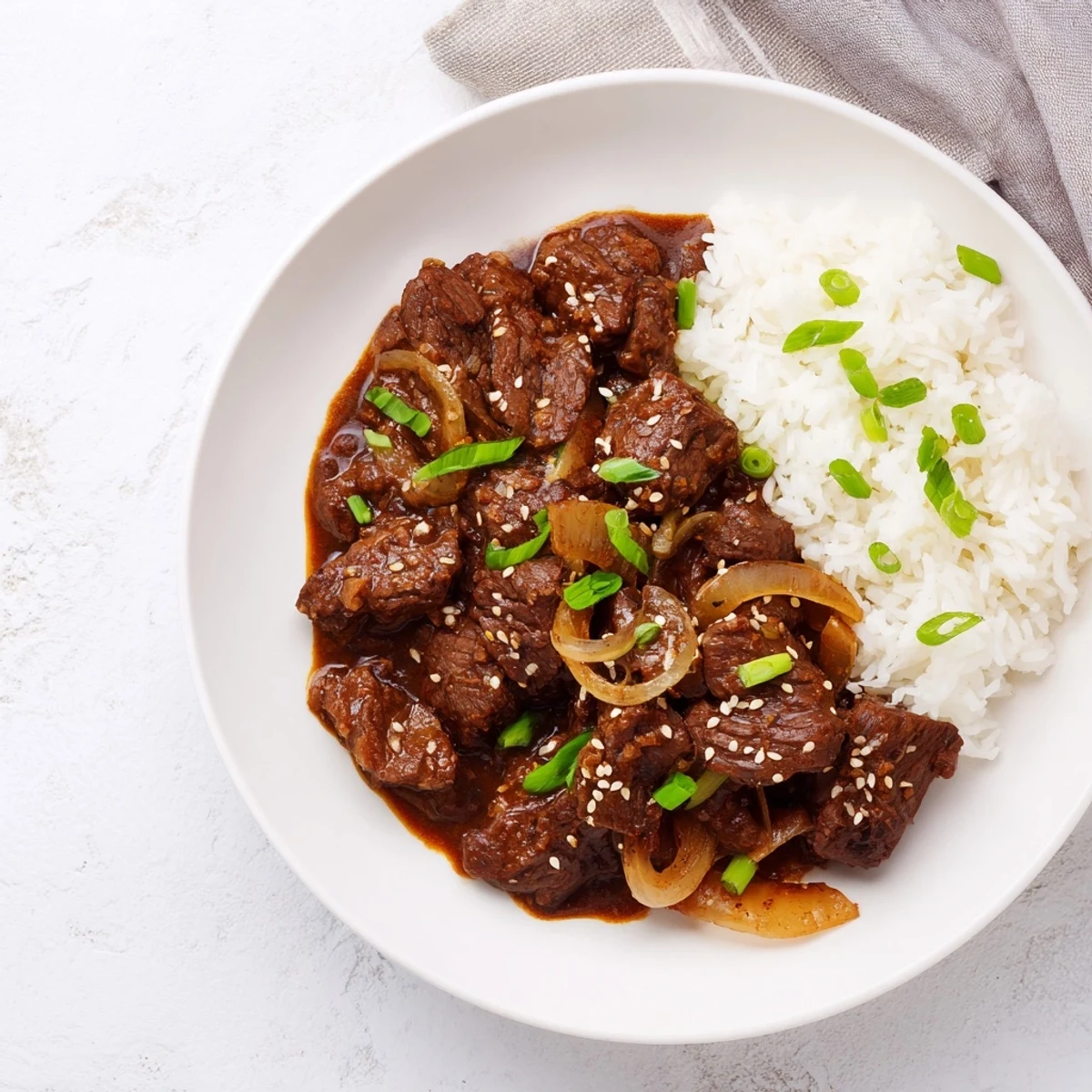
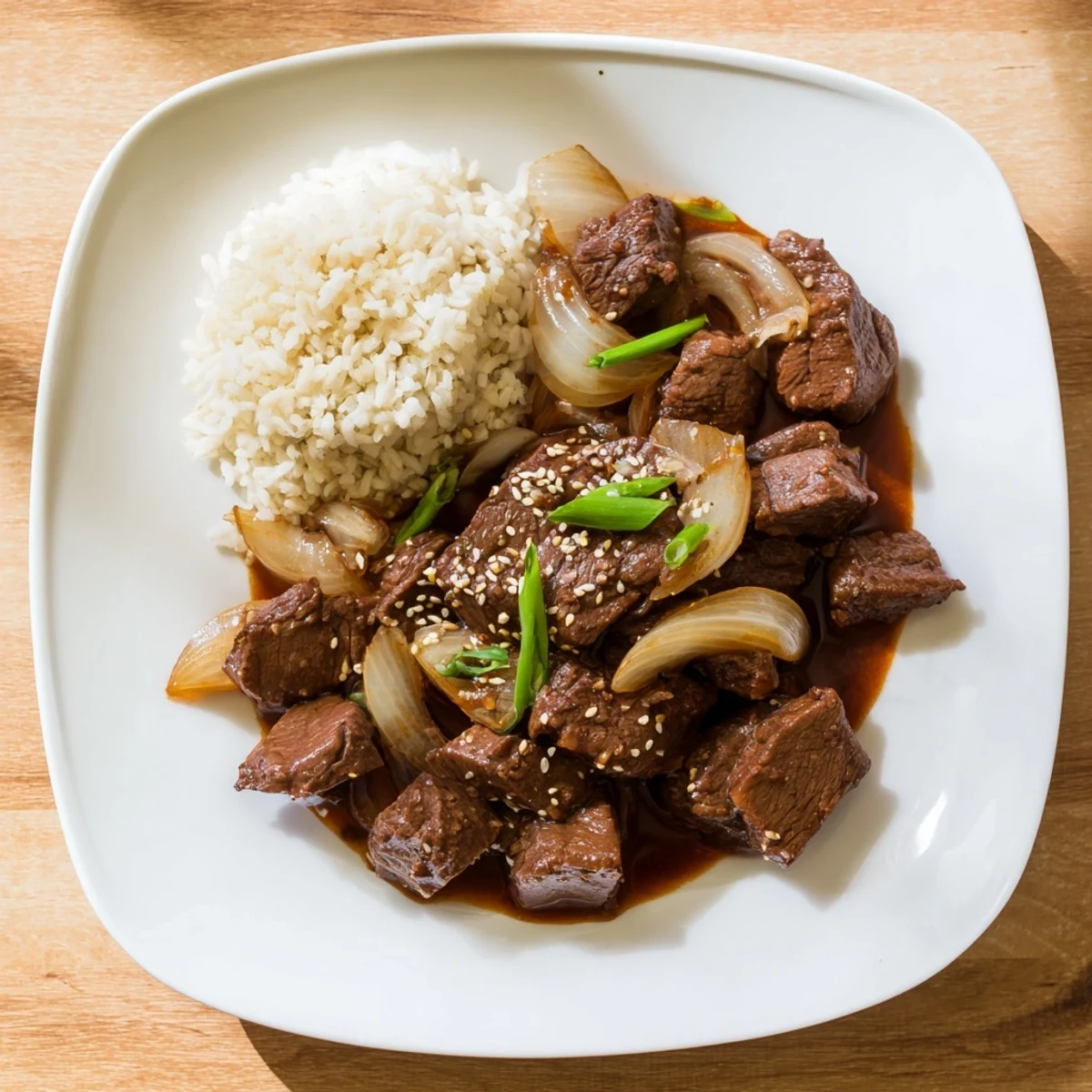
 Tender beef chuck roast slow cooked in rich Korean-inspired sauce with gochujang, soy sauce, brown sugar, sesame oil, and fresh ginger. The beef becomes incredibly tender after 6-7 hours on low, easily shreddable with forks. Serve over rice or in lettuce wraps with green onion and sesame seed garnish for a comforting, flavorful meal.
The aroma that fills your house when slow-cooked Korean beef simmers for hours is absolutely intoxicating. I stumbled upon this recipe during a particularly brutal winter when I wanted something comforting but wasn't in the mood for the usual stew. My husband walked through the door after work and literally stopped in his tracks, asking what smelled so incredible. That's when I knew this recipe would become a permanent fixture in our dinner rotation.
Last summer, I made this for a casual dinner party with friends who claimed they didn't like Korean food. They went back for thirds and asked for the recipe before they even left the table. There's something universal about tender beef in a savory-sweet sauce that transcends any preconceived notions about cuisine. Now it's my go-to when I need to feed a crowd without spending the entire evening in the kitchen.
Ingredients
- Beef chuck roast: Chuck roast has the perfect marbling for slow cooking, becoming meltingly tender while still retaining structure
- Low-sodium soy sauce: Using low-sodium lets you control the salt level since the sauce reduces and concentrates during cooking
- Brown sugar: The molasses in brown sugar adds a subtle caramel note that balances the salty elements beautifully
- Sesame oil: This is the backbone of Korean flavor, providing that distinctive nutty aroma you can't replicate
- Rice vinegar: Adds just enough acidity to cut through the richness without being harsh or overpowering
- Fresh garlic: Don't even think about using the pre-minced stuff in jars, fresh garlic is non-negotiable here
- Fresh ginger: Grated fresh ginger brings a bright, spicy warmth that dried ginger simply cannot achieve
- Gochujang: This Korean chili paste provides a complex heat with subtle sweetness and deep umami notes
- Cornstarch: Helps thicken the sauce slightly as it cooks, creating that perfect glossy coating
- Yellow onion: The onion breaks down during cooking, becoming sweet and melting into the sauce
- Green onions: Fresh green onion garnish adds a pop of color and mild onion flavor to contrast the rich beef
- Sesame seeds: Toasted sesame seeds bring a delightful crunch and reinforce that sesame flavor throughout
Instructions
- Whisk together the sauce:
- In a medium bowl, combine soy sauce, brown sugar, sesame oil, rice vinegar, garlic, ginger, gochujang, cornstarch, and black pepper. Whisk vigorously until the brown sugar completely dissolves and the mixture is smooth and glossy.
- Layer the beef and onions:
- Place beef cubes in the crock pot first, creating an even layer across the bottom. Scatter sliced onions over the beef, letting some pieces nestle between the meat.
- Pour and coat evenly:
- Pour the sauce mixture over the beef and onions. Use a wooden spoon or spatula to gently toss everything together, ensuring each piece of beef gets coated in that flavorful liquid.
- Let it work its magic:
- Cover and cook on LOW for 6-7 hours. The beef is done when it shreds easily with absolutely no resistance when pressed with a fork.
- Finish and shred:
- Skim any excess fat that has accumulated on top. Use two forks to shred the beef directly in the crock pot, mixing it thoroughly with the thickened sauce.
- Serve with style:
- Spoon over steaming bowls of rice or wrap in crisp lettuce leaves. Don't forget to sprinkle generously with green onions and sesame seeds for that final touch.
 Save to Pinterest
 This recipe saved me during my daughter's soccer tournament weekend when I had to feed hungry athletes three days in a row. The parents actually started asking what I was making, and by the final day, people were lingering longer than necessary just to see if there were leftovers. There's something incredibly satisfying about watching a room full of people enjoy food that required so little active effort on your part.
Make It Your Own
Once you've made this recipe a few times, don't be afraid to play around with the heat level. Some days I crave the gentle hum of gochujang alone, while other days I add gochugaru for that extra kick. The beauty of slow cooker recipes is their forgiving nature, small adjustments rarely ruin the final result.
Serving Suggestions
While rice is the traditional choice, I've discovered this beef works beautifully in soft tacos with quick-pickled cucumbers. My friend served it over baked sweet potatoes and couldn't stop talking about the sweet-savory combination. Lettuce wraps remain my favorite for lighter dinner when I want all the flavor without the heaviness.
Storage And Meal Prep
This beef actually improves after a day or two in the refrigerator as the flavors continue to meld. I always make a double batch and portion it into glass containers for effortless lunches throughout the week. The sauce solidifies slightly when chilled but returns to perfect consistency when reheated.
- Freeze portions in freezer bags for up to three months, thaw overnight in the refrigerator
- Add a splash of water or additional soy sauce when reheating if the sauce seems too thick
- The texture remains surprisingly good after freezing, unlike some other slow cooker dishes
 Save to Pinterest
 There's quiet joy in coming home to a meal that's been cooking itself all day, filling your kitchen with impossible warmth and possibility. This Korean beef is more than just dinner, it's an invitation to slow down and savor something good.
Recipe FAQs
- → What cut of beef works best for this dish?
-
Beef chuck roast is ideal as it becomes tender and shreds beautifully when slow cooked. The marbling and connective tissue break down during the long cooking time, creating a juicy, flavorful result.
- → Can I make this gluten-free?
-
Yes, simply use gluten-free soy sauce and certified gluten-free gochujang. The cornstarch helps thicken the sauce and can be omitted or substituted with arrowroot powder if needed.
- → How can I add more vegetables?
-
Add sliced carrots, bell peppers, or broccoli during the last hour of cooking. This prevents them from becoming too soft while still absorbing the flavors of the sauce.
- → What's the best way to serve this?
-
Serve hot over jasmine or short-grain rice, or in lettuce wraps for a lighter option. Garnish with sliced green onions and sesame seeds for extra flavor and presentation.
- → Can I make this spicier?
-
Add 1-2 teaspoons of Korean chili flakes (gochugaru) for extra heat. You can also increase the gochujang amount slightly, but be aware it can be quite spicy.