
 Save to Pinterest
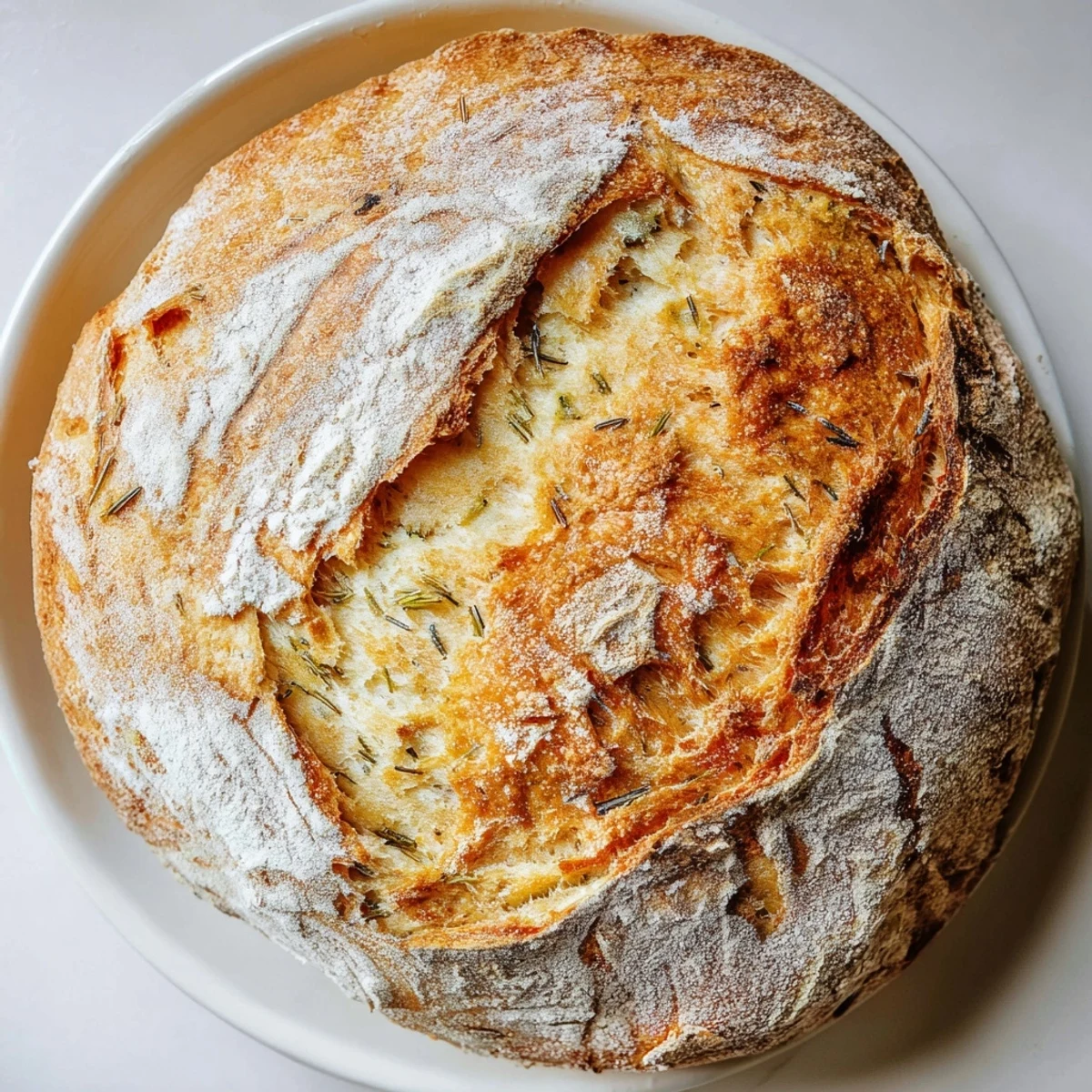
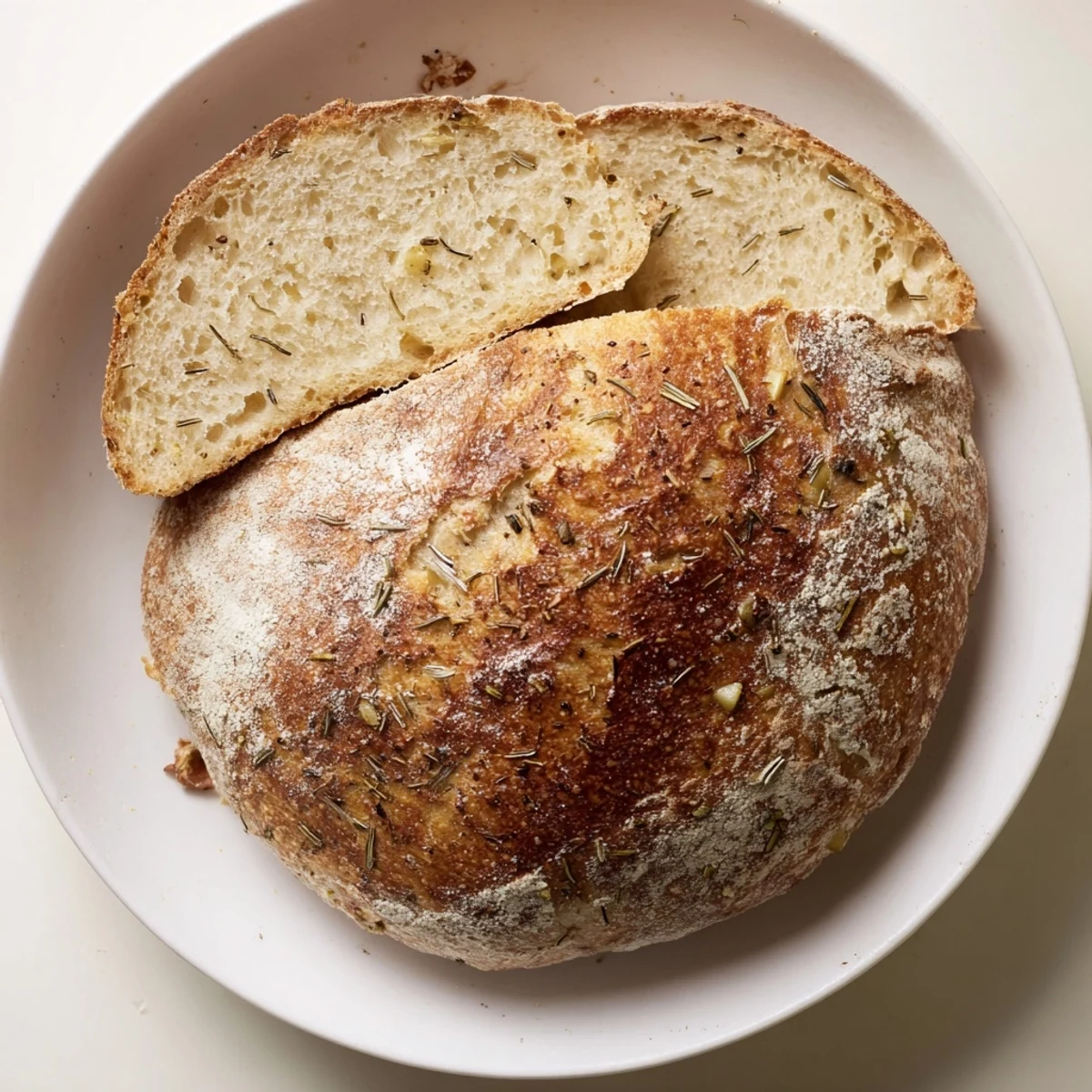
 Create a stunning European-style loaf with this aromatic garlic rosemary bread. The dough comes together quickly with just five ingredients, then rises for hours to develop deep flavor. Baking in a preheated Dutch oven creates that professional bakery crust—golden, crackling, and perfectly crisp. Fresh minced garlic and fragrant rosemary infuse every bite, while the interior remains tender and open-crumbed.
The method is forgiving and rewarding: mix, rise, shape, and bake. Total hands-on time is minimal, making this ideal for weekend baking. Serve warm alongside soups, use for gourmet sandwiches, or enjoy simply with good butter and sea salt.
The first time I made this bread, my entire apartment smelled like an Italian bakery. I had wrapped the loaf in a clean kitchen towel to keep it warm and brought it to a small dinner party where my friend Sarah actually stopped mid conversation just to inhale the steam rising from the crust.
Last winter during a snowstorm, I made three loaves back to back because my roommates kept eating it faster than I could bake. We sat around the kitchen island in our pajamas, dipping warm chunks into olive oil and watching the snow pile up outside.
Ingredients
- Bread flour: Higher protein content than all purpose gives this loaf structure and chew
- Fine sea salt: Dissolves evenly into the dough unlike coarse varieties
- Active dry yeast: One small packet works perfectly for this single loaf
- Lukewarm water: Should feel like bathwater, about 100°F, to wake up the yeast
- Olive oil: Adds subtle richness and helps keep the crumb tender
- Fresh garlic: Minced finely so it distributes throughout every bite
- Fresh rosemary: Woody stems removed, leaves chopped small
- Extra flour: For dusting your work surface and hands
Instructions
- Mix the dough base:
- Whisk flour, salt, and yeast in a large bowl, then stir in water and olive oil until shaggy and sticky.
- Fold in the aromatics:
- Add garlic and rosemary, folding gently until speckled throughout the dough.
- Let it rise:
- Cover and rest at room temperature for 2 to 3 hours until doubled.
- Shape the loaf:
- Turn onto floured surface, gently form into a ball, and place seam side down on parchment.
- Second rise:
- Cover loosely and rest 30 to 45 minutes while preheating your Dutch oven.
- Preheat with conviction:
- Place Dutch oven and lid in cold oven, then heat to 450°F for at least 30 minutes.
- Bake covered:
- Transfer dough with parchment into hot pot, cover, and bake 30 minutes.
- Finish with color:
- Remove lid and bake 12 to 15 minutes more until deep golden brown.
- Cool completely:
- Let rest on wire rack at least 20 minutes before slicing.
 Save to Pinterest
 My father came to visit last month and I made this bread for our first dinner together. He took one bite, closed his eyes, and asked if I had been secretly taking lessons from his grandmother.
Making It Your Own
Once you master the basic dough, the variations become second nature. I have added kalamata olives and sun dried tomatoes for a Mediterranean version that disappeared in minutes.
Timing Your Bake
The best part about this recipe is how flexible the schedule can be. Let the dough rise slower in the refrigerator overnight for deeper flavor development, or stick with room temperature for same day results.
Serving Suggestions
This bread deserves to be the star of your table. Tear off chunks while still warm and dunk into olive oil seasoned with flaky salt.
- Toasted leftovers make the best bruschetta base
- Cubed stale bread becomes incredible croutons
- Frozen slices refresh beautifully in the toaster
 Save to Pinterest
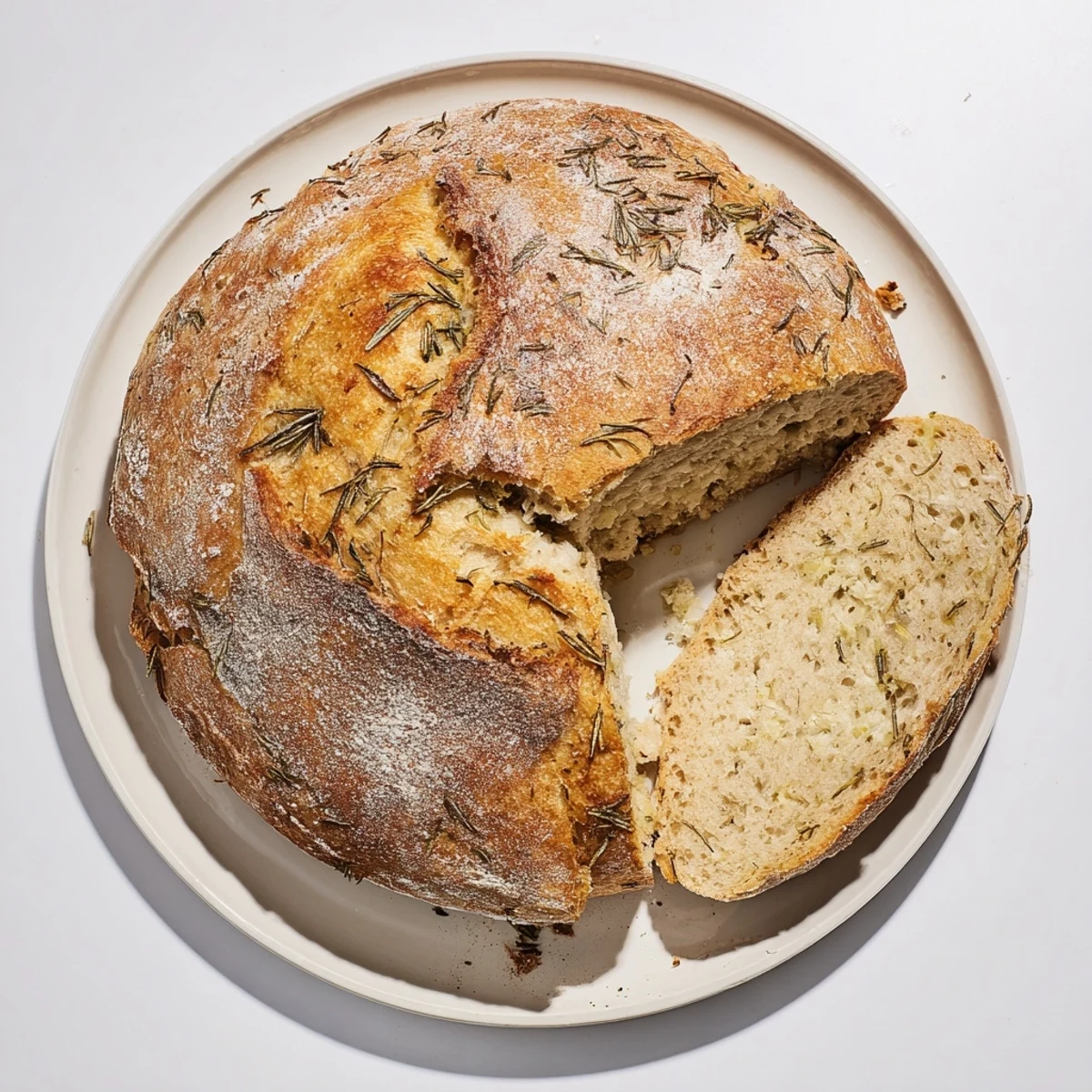
 There is something deeply satisfying about pulling a golden loaf from your own oven. The house fills with comfort and suddenly everything feels right.
Recipe FAQs
- → Can I use dried rosemary instead of fresh?
-
Yes, substitute 1 teaspoon of dried rosemary for the fresh version. Dried herbs are more concentrated, so use about half the amount. Add it directly to the dry ingredients with the flour and yeast.
- → Do I really need a Dutch oven for this bread?
-
A Dutch oven creates that professional bakery-style crust by trapping steam during baking. If you don't have one, use a heavy cast iron pot with a tight-fitting lid or a baking stone with a metal bowl inverted over the loaf.
- → Can I make the dough ahead of time?
-
Absolutely. After the initial rise, refrigerate the dough for up to 24 hours. The cold fermentation actually enhances flavor. Bring to room temperature for 30 minutes before shaping and baking as directed.
- → Why is my bread dense instead of fluffy?
-
Dense bread usually results from under-rising or over-kneading. Ensure the dough doubles in size during the first rise. Handle it gently when shaping to preserve those air bubbles. Using fresh yeast and maintaining a warm, draft-free rising spot also helps.
- → Can I add other ingredients like olives or cheese?
-
Certainly. Kalamata olives, sun-dried tomatoes, or shredded parmesan work beautifully. Add about ½ cup of mix-ins after combining the wet and dry ingredients, folding gently to distribute evenly without tearing the dough.