
 Save to Pinterest
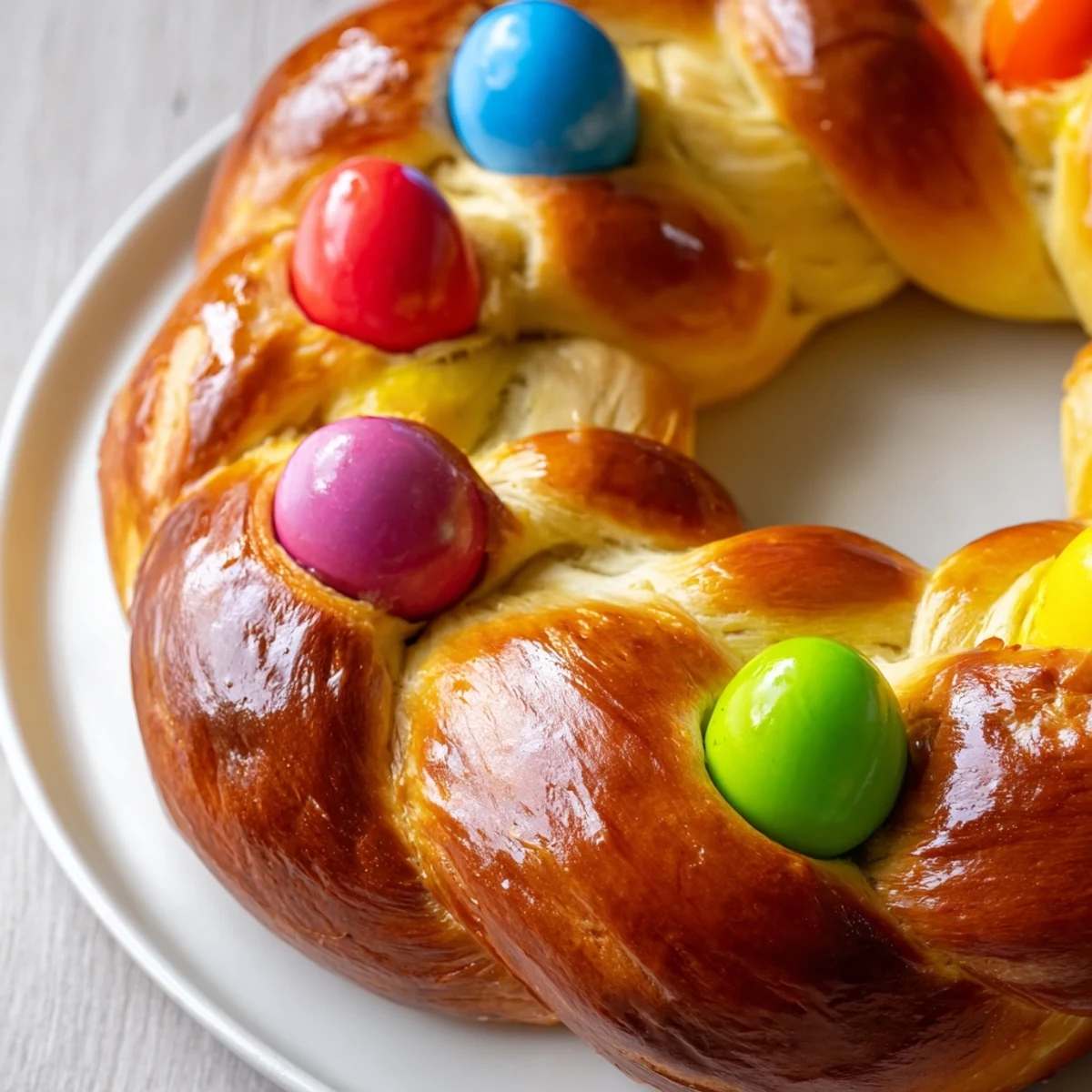
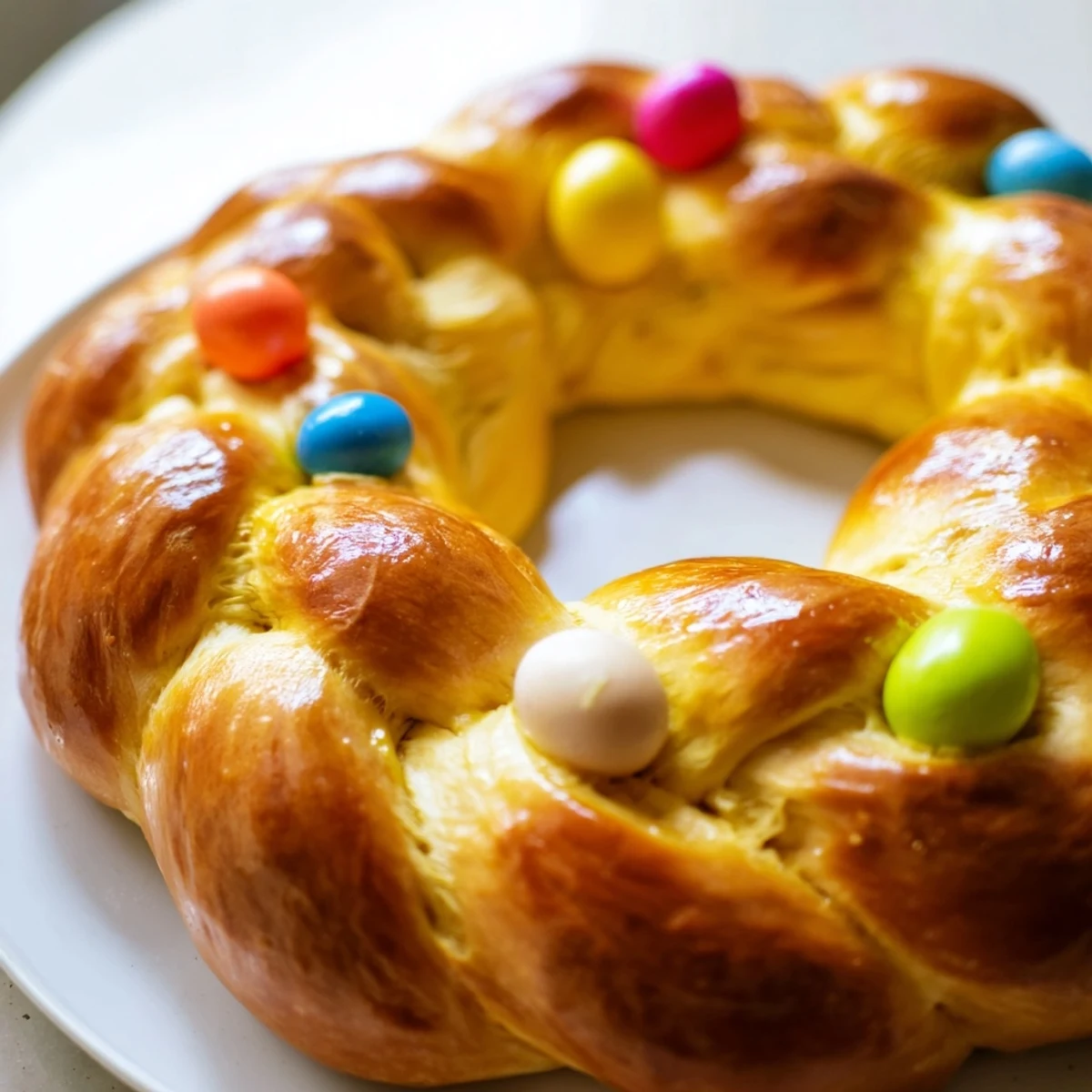
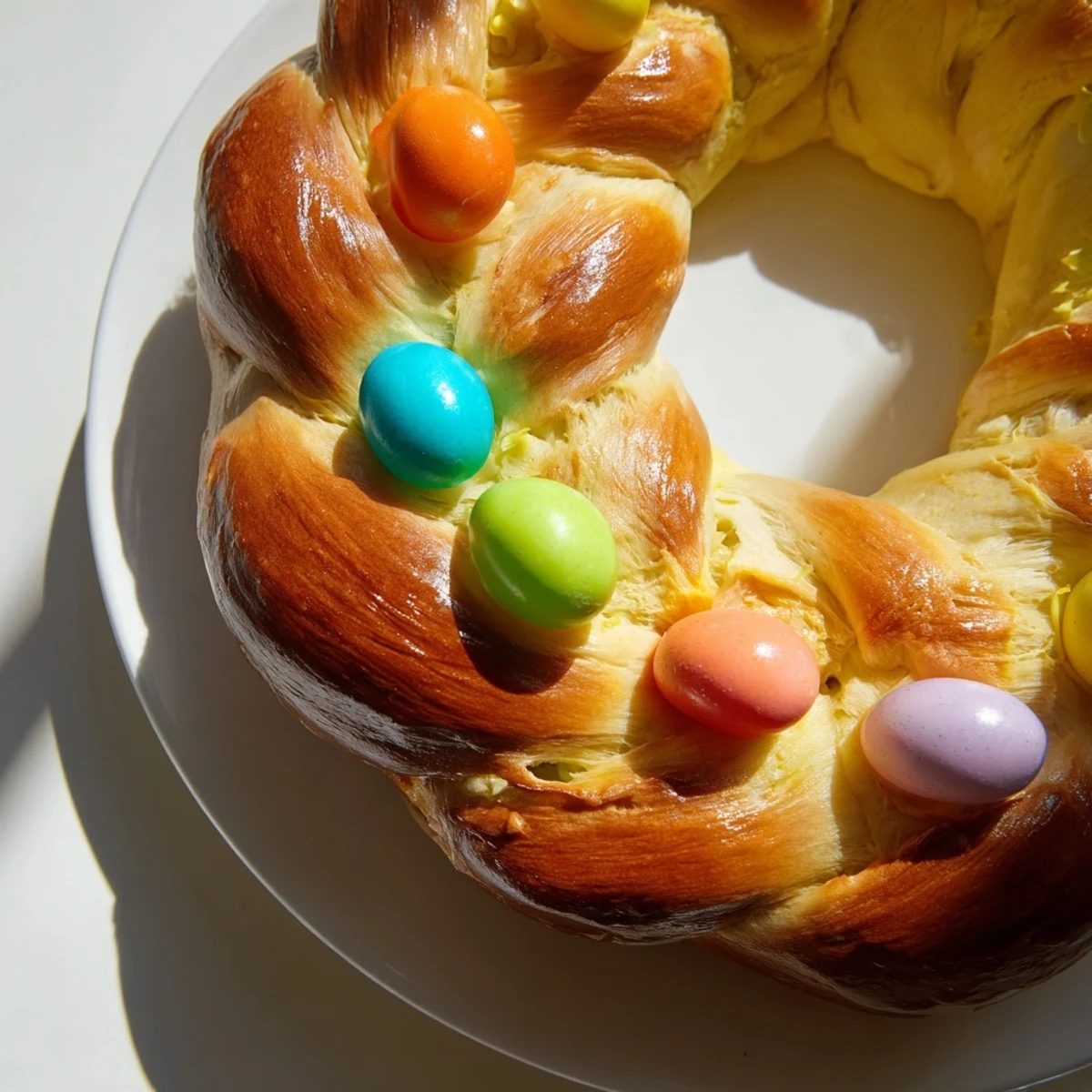
 This sweet, tender braided bread is enriched with butter, vanilla, and lemon zest for a delicate flavor. The dough is carefully kneaded and allowed to rise twice, resulting in a soft texture. Before baking, the dough is braided and decorated with vibrantly colored raw eggs, tucked gently within the strands to add festive charm. Baking produces a golden crust while keeping the interior moist and flavorful. Perfect for spring festivities, the bread pairs wonderfully with butter or jam for a delicious treat.
The first time I made Easter bread, I was rushing to get it ready before my sister arrived with her kids. My kitchen smelled like yeast and lemon zest, and I remember frantically trying to get the braiding right while the dough kept springing back on me.
Last year my niece asked if the eggs were magic because they changed color during baking. We stood by the oven window watching the bread turn golden together, and I realized the waiting is half the joy.
Ingredients
- All-purpose flour: Forms the structure of your dough, and bread flour works too if you want extra chew
- Granulated sugar: Feeds the yeast and adds just enough sweetness without making it dessert
- Active dry yeast: The magic ingredient that makes everything rise and gives the bread its tender crumb
- Whole milk: Creates a softer, richer dough than water, but warm it gently so it does not kill the yeast
- Unsalted butter: Melt and cool it completely, otherwise you will scramble your eggs when they hit the dough
- Large eggs: Room temperature eggs incorporate better and help the dough hold together beautifully
- Fine sea salt: Balances the sweetness and brings out all the flavors in the dough
- Pure vanilla extract: Adds a subtle warmth that makes people ask what is in it
- Lemon zest: Optional but highly recommended for that bright, springtime fragrance
- Raw colored eggs: Use food-safe dye and do not hard boil them, they will bake right along with the bread
- Egg wash: Whisk one yolk with a tablespoon of milk for that beautiful golden finish
- Colored sprinkles: Fun addition that makes it extra festive, especially if kids are helping
Instructions
- Wake up the yeast:
- Dissolve the yeast and one tablespoon of sugar in the lukewarm milk. Let it sit for 5 to 10 minutes until you see a foamy layer on top, which tells you it is alive and ready to work.
- Mix the dry ingredients:
- In a large bowl, whisk together the flour, remaining sugar, salt, and lemon zest if you are using it. This ensures everything is evenly distributed before the wet ingredients hit.
- Combine everything:
- Pour in the activated yeast mixture, melted butter, eggs, and vanilla extract. Stir until a shaggy dough forms, then turn it out onto a lightly floured surface.
- Knead with patience:
- Work the dough for 8 to 10 minutes until it feels smooth and elastic like a soft earlobe. If it sticks to your hands, sprinkle just a tablespoon of flour at a time.
- Let it rise:
- Place the dough in a greased bowl, cover it with a warm towel, and find a cozy spot for it to double in size. This usually takes 1 to 1.5 hours depending on how warm your kitchen is.
- Divide and roll:
- Punch down the risen dough gently, then cut it into three equal portions. Roll each piece into a 16-inch rope, trying to keep the thickness consistent so your braid bakes evenly.
- Create the braid:
- Braid the three ropes together as tightly or loosely as you like. You can form it into a ring for a wreath look or keep it straight, then transfer to a parchment-lined baking sheet.
- Place the colored eggs:
- Gently tuck the raw, dyed eggs into the folds of the braid, spacing them evenly. Do not press them in too deep, they will settle as the bread rises and bakes.
- Second rise:
- Cover loosely and let the bread rest for 30 to 45 minutes until it looks puffy and feels pillowy to the touch.
- Preheat and glaze:
- Heat your oven to 350°F and brush the bread carefully with egg wash, avoiding the colored eggs. Add sprinkles now if you want extra festivity.
- Bake to golden perfection:
- Bake for 25 minutes until the bread is deep golden brown and sounds hollow when tapped. If it is browning too fast, tent it loosely with foil.
- Cool completely:
- Let the bread rest on a wire rack for at least 20 minutes before serving. This is the hardest part, but cutting into warm bread can make the texture gummy.
 Save to Pinterest
 My grandmother always said bread dough knows when you are impatient. The year I finally learned to stop checking on it every ten minutes, it rose taller and tasted better than ever before.
Timing Is Everything
I have learned to start this recipe early in the day when I have other things to do around the house. The dough benefits from the slow rise, and trying to rush it usually results in dense bread that does not bake properly.
Getting The Braid Right
If your ropes keep springing back when you try to roll them, let the dough rest for five minutes and try again. This relaxes the gluten and makes shaping much easier.
Serving And Storing
This bread is best the day it is made, but I have had success toasting slices the next morning. Serve it with plenty of butter and maybe some honey or jam for an extra special Easter breakfast.
- Wrap leftovers tightly if you plan to toast them
- The colored eggs can be peeled and eaten like hard boiled eggs
- This bread freezes beautifully for up to three months
 Save to Pinterest
 There is something so satisfying about pulling apart a warm braided bread with your hands. I hope this recipe becomes part of your spring traditions too.
Recipe FAQs
- → How do I achieve vibrant colored eggs without overcooking?
-
Use raw eggs dyed with food-safe colors, gently nestled into the dough before baking. Avoid hard-boiling to prevent dryness.
- → Can I add extra flavor to the dough?
-
Yes, a dash of ground cardamom or anise can add aromatic complexity to the bread.
- → What is the best way to braid the dough?
-
Divide the dough into three equal ropes and braid them tightly, forming either a ring or a straight loaf.
- → How should I store leftovers?
-
Keep the bread wrapped at room temperature for up to two days, or toast slices to refresh the texture.
- → What pairs well with this bread?
-
Complement this tender bread with sweet butter, fruit jams, or honey for enhanced flavor.
- → Why is kneading important in this bread?
-
Kneading develops gluten, which gives the bread its smooth, elastic texture and supports rise during baking.