
 Save to Pinterest
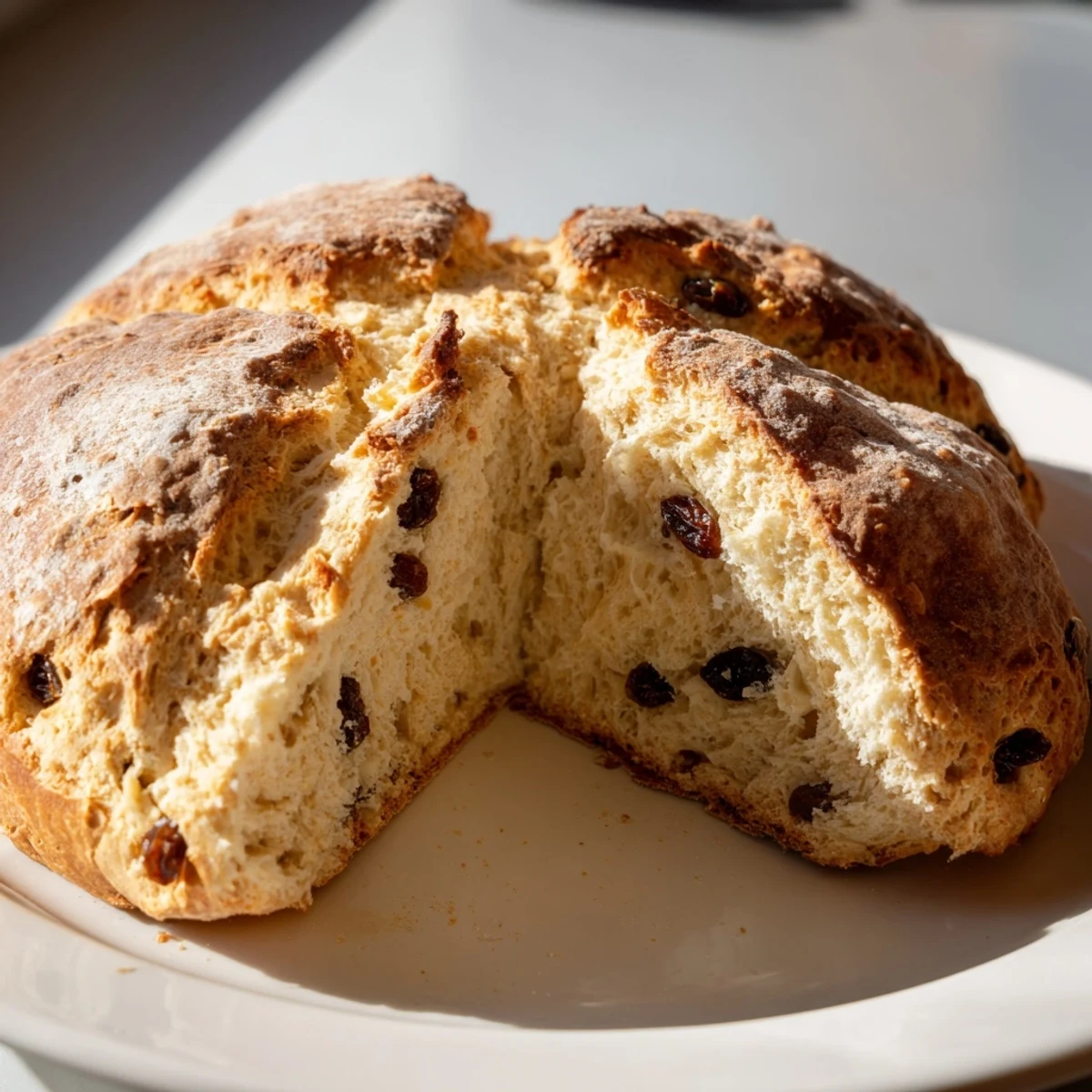
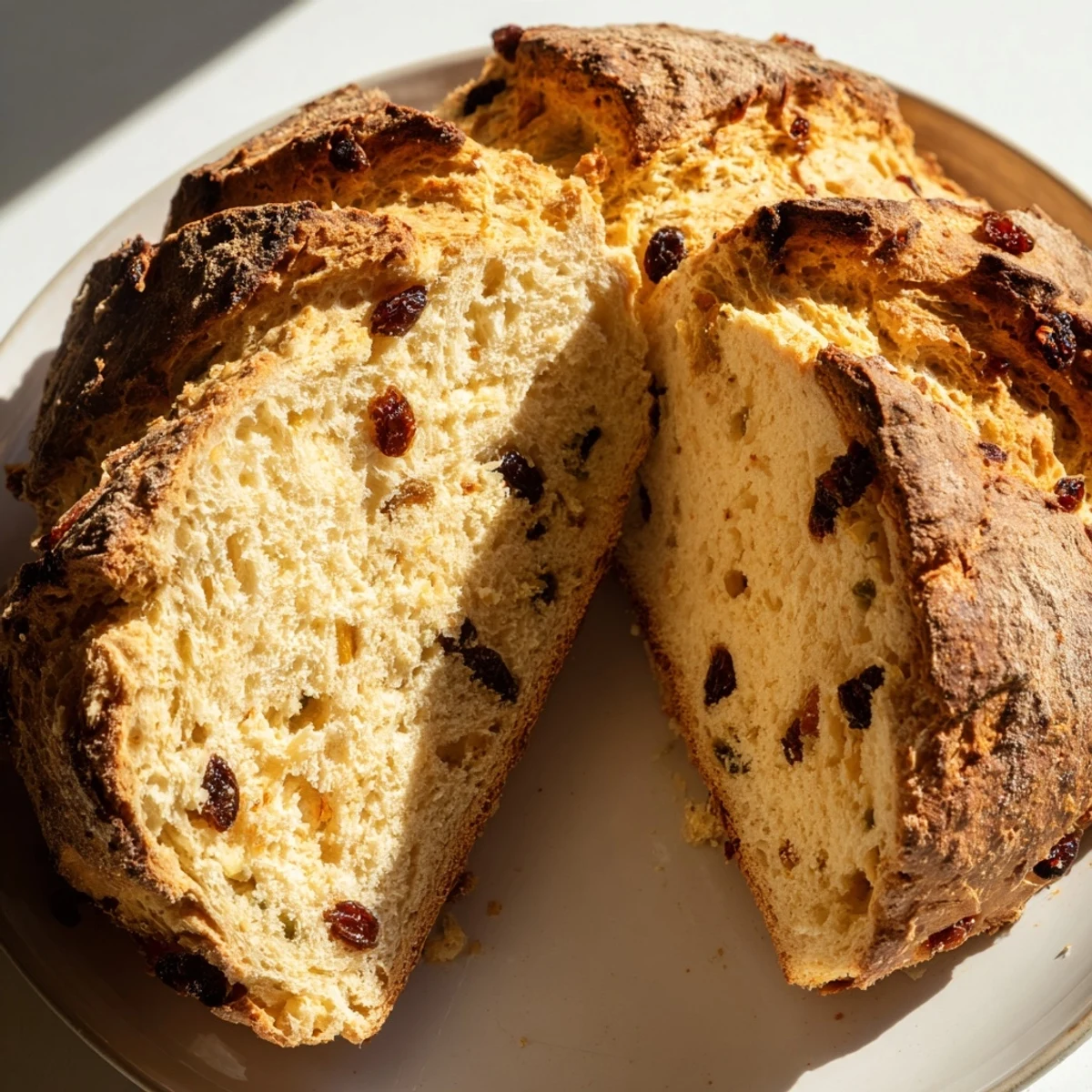
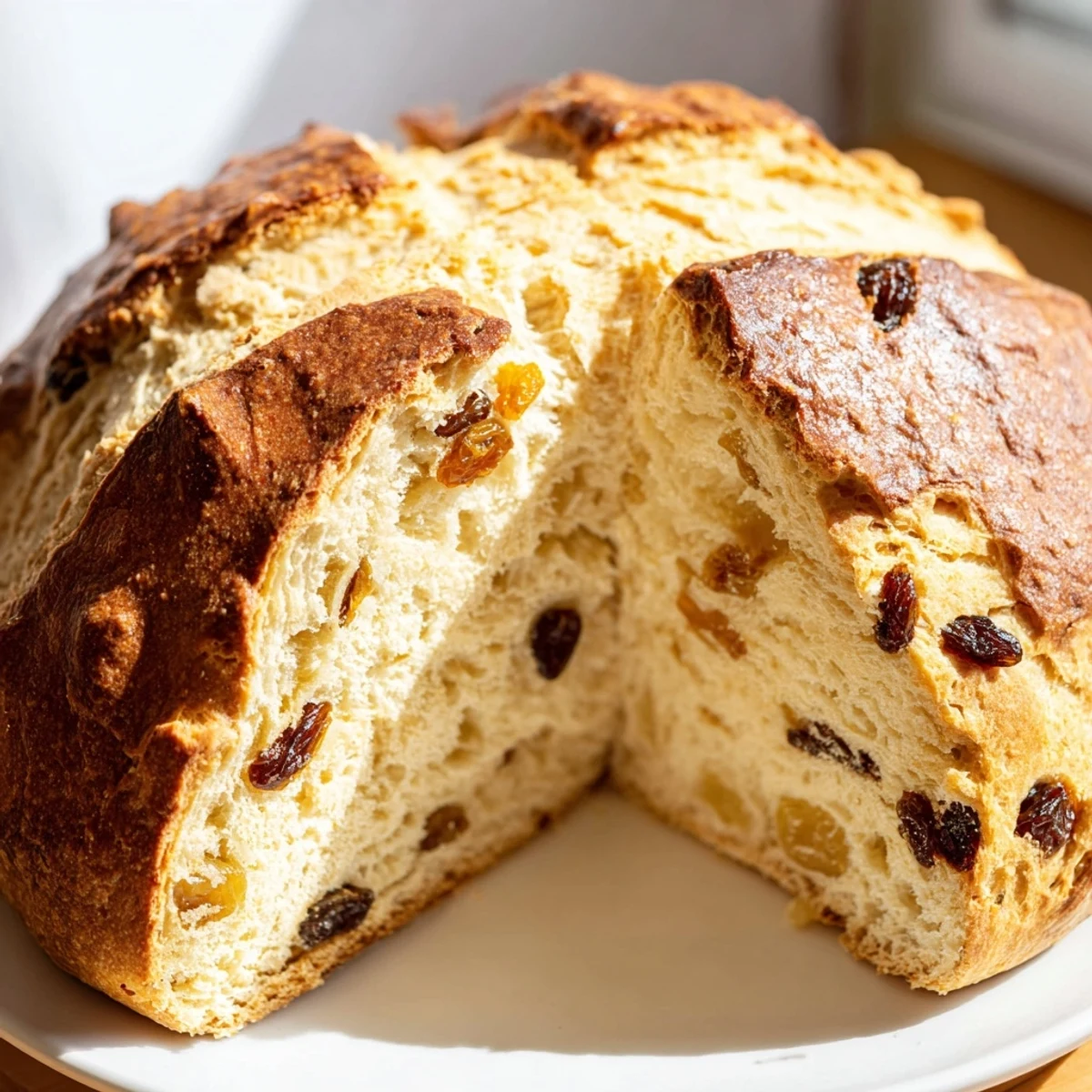
 This classic Irish soda loaf features a golden crust and a tender, moist inside dotted with juicy raisins. Simple ingredients like buttermilk, flour, and baking soda come together quickly with minimal kneading, creating a hearty loaf perfect for celebrations or everyday meals. The deep cross cut on top helps the bread expand beautifully during baking. Best served warm with butter or alongside soups and stews. Variations include using whole wheat flour or omitting raisins for a more traditional taste.
The first time I made soda bread, I kept checking the oven every five minutes, convinced I had messed up the chemistry. My grandmother had told me stories about her mother making this bread over an open peat fire in Ireland, mixing everything by feel and memory. Now I understand why this recipe has been passed down through generations; it is practically foolproof and comes together in less than an hour.
Last St. Patricks Day, I made three loaves to bring to a neighborhood gathering, and by the time I reached the hosting house, one had already been devoured in the car. My friend Sarah, who is usually skeptical about traditional recipes, asked for the recipe before she even finished her first slice. There is something about cutting into that warm, crusty loaf while people gather around that makes any celebration feel complete.
Ingredients
- 4 cups (500 g) all-purpose flour: The foundation of the bread; spoon and level the flour rather than scooping directly to avoid packing it down
- 1 teaspoon baking soda: This is the leavening agent; make sure it is fresh and not expired for the best rise
- 1 teaspoon salt: Enhances the flavor and balances the sweetness from the raisins
- 2 tablespoons granulated sugar: Just enough to complement the raisins without making the bread overly sweet
- 1 cup (150 g) raisins or currants: Plump little jewels of sweetness throughout; soak them in warm water for 10 minutes if they seem dry
- 1 3/4 cups (420 ml) buttermilk: The acidity activates the baking soda; if you do not have buttermilk, add 1 tablespoon vinegar to regular milk and let it sit for 5 minutes
- 4 tablespoons (60 g) unsalted butter, melted and cooled: Adds richness and helps create a tender crumb
Instructions
- Get your oven ready:
- Preheat to 425°F (220°C) and line a baking sheet with parchment paper so nothing sticks and cleanup is effortless.
- Whisk the dry ingredients:
- In a large bowl, combine flour, baking soda, salt, and sugar until everything is evenly distributed.
- Add the raisins:
- Stir them in gently so they do not get crushed; they should be scattered throughout the flour mixture.
- Make a well and pour:
- Create a hollow in the center of the dry ingredients, then pour in the buttermilk and melted butter.
- Mix gently:
- Use a wooden spoon or your hands to combine until a shaggy dough forms; stop as soon as everything comes together.
- Knead briefly:
- Turn onto a lightly floured surface and knead for about 30 seconds, just until the dough holds together.
- Shape the loaf:
- Form it into a round about 7 inches across and place on your prepared baking sheet.
- Score the top:
- Cut a deep X across the top with a sharp knife; this helps the bread expand properly while baking.
- Bake until golden:
- Bake for 35 to 40 minutes until the crust is golden and the loaf sounds hollow when tapped on the bottom.
- Cool before slicing:
- Let it rest on a wire rack for at least 20 minutes; cutting too soon will release all the steam and make the bread dense.
 Save to Pinterest
 My youngest daughter now requests this bread for breakfast throughout the year, not just in March. We have started a little tradition where she helps cut the X on top and feels incredibly proud of her contribution to family meals.
Making It Your Own
I have experimented with different add-ins over the years, and while traditionalists may raise an eyebrow at the variations, some have become household favorites. The basic formula is so forgiving that it welcomes creativity.
Serving Suggestions
Warm slices alongside a hearty beef stew or vegetable soup turn a simple dinner into something special. The bread also makes incredible toast the next morning, especially with a little orange marmalade.
Storage And Freshness
This bread is definitely best enjoyed within the first two days, but I have found that wrapping it tightly in plastic and keeping it at room temperature preserves the texture better than refrigeration. If you somehow have leftovers after day two, consider transforming them.
- Stale soda bread makes excellent bread pudding cubes
- Toasting revives day-old slices beautifully
- Freeze whole loaves for up to three months if needed
 Save to Pinterest
 Whether you are celebrating Irish heritage or simply craving homemade bread, this recipe delivers satisfaction with minimal effort and maximum reward.
Recipe FAQs
- → What makes soda bread different from yeast bread?
-
Soda bread uses baking soda as a leavening agent instead of yeast, allowing for quicker preparation without rising time.
- → Can I substitute raisins for another ingredient?
-
Yes, currants or chopped dried fruits work well, or you can omit them entirely for a more traditional flavor.
- → Why is there a cross cut on the top of the loaf?
-
The deep cross cut allows the bread to expand evenly while baking, helping it develop a characteristic shape and texture.
- → How should I store the bread to keep it fresh?
-
Store wrapped tightly at room temperature; it’s best enjoyed within two days to maintain freshness.
- → Is there an option to make a heartier loaf?
-
Substituting half of the all-purpose flour with whole wheat flour adds extra texture and a richer flavor.