
 Save to Pinterest
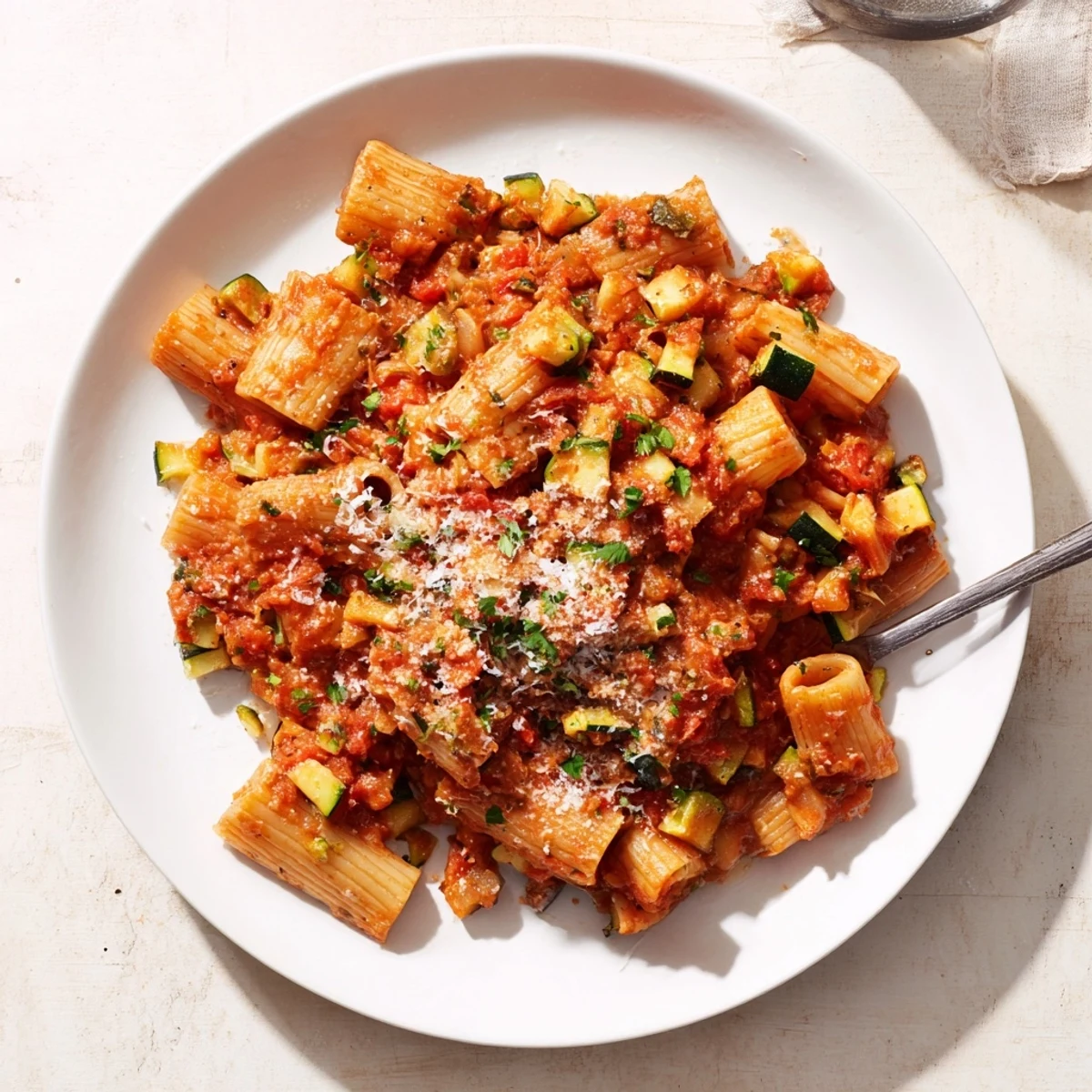
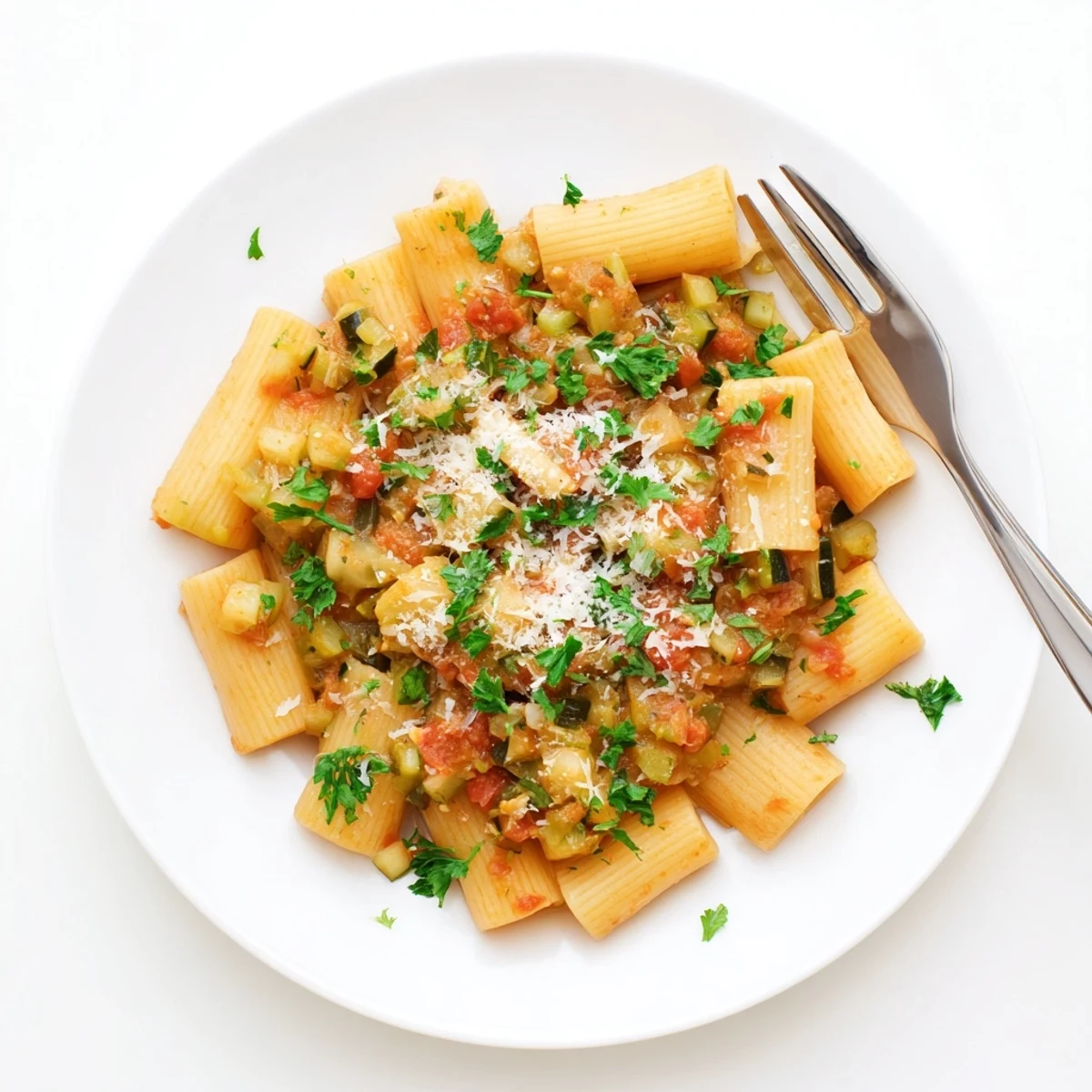
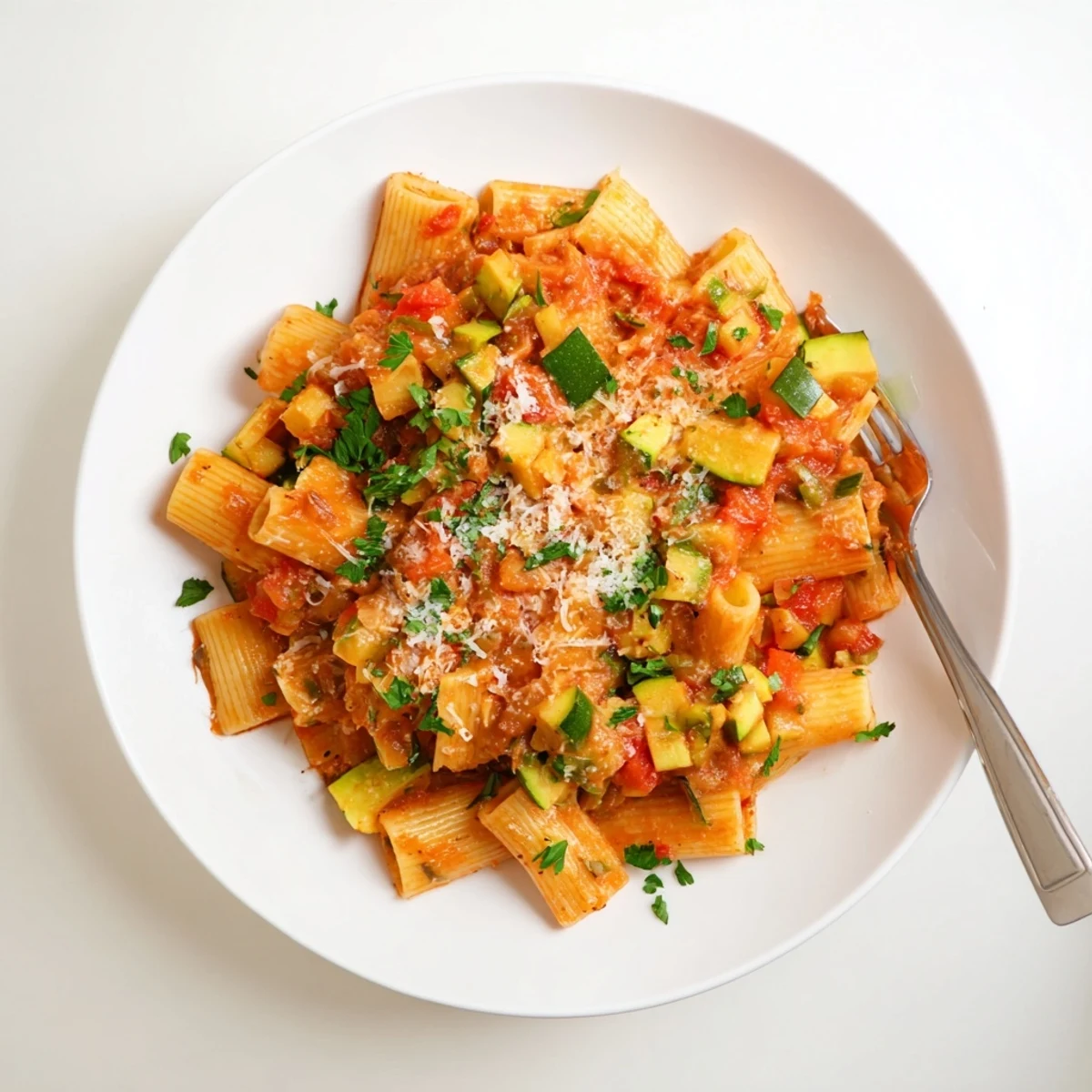
 This rustic Italian-style sauce combines fresh diced zucchini with canned tomatoes, creating a thick, flavorful base perfect for pasta dishes or as a topping for grilled meats. The sauce features aromatic garlic, onions, and classic Italian herbs like oregano and basil, with optional red pepper flakes for gentle heat. After sautéing the vegetables, the mixture simmers for 20 minutes until it reaches the ideal consistency.
My friend Marco taught me this sauce during a sweltering July in his tiny Roman kitchen, windows open to catch whatever breeze might drift up from the courtyard. We'd spent the morning at the market, and he insisted that the secret wasn't technique but letting the zucchini sing without overwhelming it with too many other flavors. That evening, eating it simply over spaghetti with his family, I understood why something so unpretentious could feel like a revelation.
Last summer, my daughter declared she didn't like zucchini, which felt like a personal challenge. I made this sauce without telling her what was in it, and she had three helpings, asking why I never made 'that really good pasta sauce' before. Now it's our Wednesday night standby, the one everyone actually agrees on without complaint.
Ingredients
- 2 medium zucchini: Look for firm ones with smooth skin, no soft spots, and they'll hold their texture better during cooking
- 1 medium yellow onion: Finely chopped so it melts into the sauce rather than staying in distinct pieces
- 2 cloves garlic: Minced fresh, never jarred, the flavor difference is worth the extra minute
- 1 (400 g) can diced tomatoes: San Marzano if you can find them, they're sweeter and less acidic
- 1 small carrot, grated: The secret sweetness that balances the tomatoes without adding sugar
- 2 tbsp extra virgin olive oil: Don't skimp here, it carries all the flavors
- 1 tsp dried oregano: Greek oregano has more punch if you can find it
- 1 tsp dried basil: Fresh works too, add it in the last 5 minutes
- 1/2 tsp red pepper flakes: Leave it out if you're serving kids, but it adds lovely depth
- Salt and freshly ground black pepper: Taste at the end, tomatoes vary wildly in saltiness
- 2 tbsp fresh parsley, chopped: Add it last for that bright pop of green and fresh flavor
- 1 tbsp grated Parmesan cheese: Optional, but a little shower on top makes everything feel complete
Instructions
- Get your foundation right:
- Pour that olive oil into your largest skillet and set it over medium heat. You want it shimmering but not smoking.
- Build the flavor base:
- Add your chopped onion and let it soften for 3 to 4 minutes. You're not browning it, just making it translucent and sweet.
- Add the aromatic:
- Stir in the garlic and watch it carefully. One minute is all it needs to become fragrant without turning bitter.
- Introduce the zucchini:
- Add your diced zucchini and grated carrot. Let them sauté for 5 to 7 minutes. The zucchini should start to soften but still hold its shape.
- Bring it all together:
- Pour in those tomatoes with all their juices. Add your oregano, basil, red pepper flakes, salt, and pepper. Stir everything until it's combined.
- Let it develop:
- Bring it to a gentle bubble, then turn the heat down to low. Let it simmer uncovered for 20 minutes. Stir occasionally and watch it thicken into something beautiful.
- The final polish:
- Taste it. Does it need more salt? More pepper? Adjust it now, then stir in the fresh parsley.
- Serve it up:
- Pour it over hot pasta, grilled chicken, or crusty bread that's been rubbed with garlic. Add that Parmesan if you're using it.
 Save to Pinterest
 My aunt made this for me when I was recovering from surgery and couldn't stomach anything heavy. She brought it over in a mason jar with a wooden spoon tied to the neck with twine, and I swear it was part of why I healed faster than expected. Food that nourishes without weighing you down has its own kind of medicine.
Making It Your Own
I've discovered that a splash of white wine added with the tomatoes transforms this into something dinner-party worthy. The alcohol cooks off completely, but it leaves behind this subtle complexity that makes people ask what's different.
Texture Matters
Some nights I want chunky and rustic, other times I use my immersion blender right before adding the parsley. Both versions are delicious, but the smooth one feels almost velvety, like something you'd order at a restaurant and wonder how they achieved that texture.
Storage & Make-Ahead
This sauce actually tastes better the next day, so I often double the batch and keep half in the fridge. It freezes beautifully too, portioned into freezer bags for those nights when cooking feels impossible.
- Let it cool completely before storing, or you'll get condensation that waters it down
- Freeze for up to 3 months, though I've stretched it to 4 without any issues
- Reheat gently with a splash of water to loosen it up
 Save to Pinterest
 There's something deeply satisfying about turning a few humble vegetables into something that feels like comfort and care on a plate. Hope this finds its way into your regular rotation.
Recipe FAQs
- → Can I freeze this sauce?
-
Yes, this sauce freezes beautifully for up to 3 months. Let it cool completely before transferring to airtight containers or freezer bags.
- → What pasta works best?
-
The sauce pairs well with short pasta shapes like penne, rigatoni, or fusilli that catch the chunky vegetables. It also coats long pasta like spaghetti beautifully.
- → How can I make it spicier?
-
Increase the red pepper flakes to 1 teaspoon or add fresh chopped chili peppers when sautéing the garlic for extra heat.
- → Is fresh zucchini necessary?
-
Fresh zucchini provides the best texture and flavor, but you can substitute frozen thawed zucchini in a pinch—just drain excess liquid before adding.
- → Can I use fresh tomatoes instead?
-
Absolutely. Use about 4 ripe chopped tomatoes (roughly 400g) and add a few extra minutes of cooking time to break them down properly.