
 Save to Pinterest
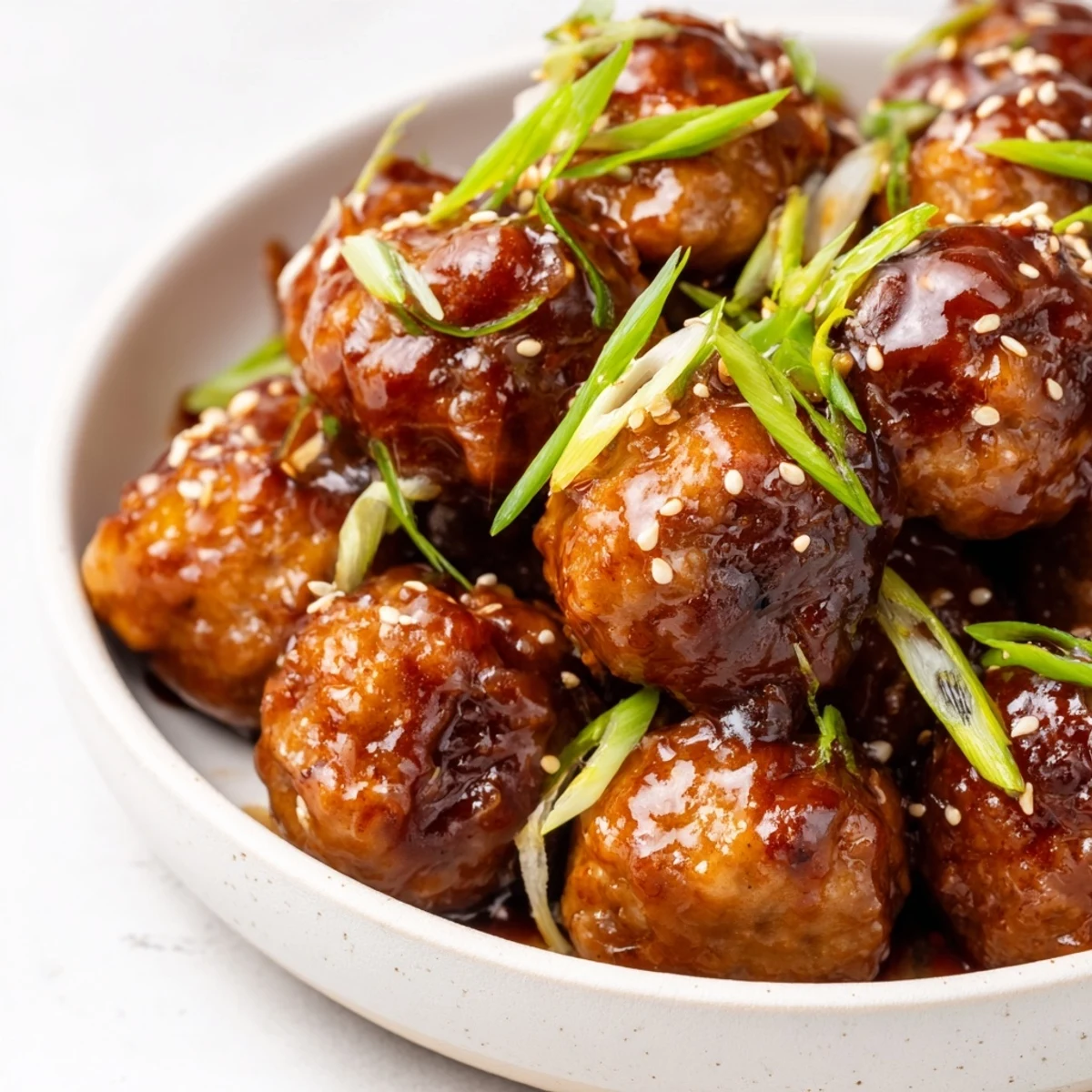
 These succulent Japanese chicken meatballs feature a perfectly balanced sweet and savory teriyaki glaze that coats each bite. Ground chicken blended with panko, ginger, garlic, and green onions creates incredibly moist meatballs that pan-fry to golden perfection. The homemade teriyaki sauce comes together in minutes using soy sauce, mirin, sake, and sugar, thickening into a glossy coating that clings beautifully. Serve these over steamed rice for a complete meal or present them as appetizers at your next gathering—either way, the combination of tender meat and that irresistible sticky-sweet glaze delivers authentic Japanese comfort food.
The scent of mirin hitting a hot pan always pulls me back to my tiny apartment kitchen, where I first learned that homemade teriyaki bears little resemblance to the bottled stuff. I was attempting to recreate a dish from a Tokyo trip, skeptical that four ingredients could produce such depth of flavor. One taste of that glaze bubbling away, glossy and caramel-colored, and I understood why Japanese home cooks rely on this simple sauce for everything. These chicken meatballs have become my go-to for everything from weeknight dinners to impromptu gatherings, disappearing faster than I can plate them.
Last winter, my friend Mai stayed over during a snowstorm and taught me the secret to perfectly tender meatballs: wet hands and a light touch. We stood over the stove, steam fogging the windows, as she showed me how the sauce should coat the back of a spoon. We ate them standing up, burning our fingers slightly, while she told stories about her grandmother making these for school festivals. Now whenever I make them, I think of that cozy afternoon and how the simplest recipes often carry the most meaningful moments.
Ingredients
- Ground chicken: The mild flavor lets the seasonings shine while staying incredibly moist
- Panko breadcrumbs: Essential for light, tender texture unlike regular breadcrumbs
- Mirin: This sweet rice wine provides the authentic gloss and subtle sweetness
- Fresh ginger and garlic: Grating them releases more aromatic oils than mincing
- Soy sauce: Use a high-quality brand for the best depth of umami flavor
- Sake: Adds complexity though dry sherry makes a perfectly fine substitute
- Cornstarch: The key to achieving that restaurant-style glossy coating
Instructions
- Mix the meatball base:
- Combine chicken, egg, panko, green onions, soy sauce, mirin, ginger, garlic, salt and pepper in a large bowl, mixing gently until just combined
- Shape the meatballs:
- Wet your hands with cold water and form the mixture into 16 even balls, handling the mixture as little as possible for tenderness
- Sear the meatballs:
- Heat oil in a nonstick skillet over medium heat and cook meatballs 8-10 minutes, turning occasionally until browned and cooked through
- Prepare the glaze:
- Whisk together soy sauce, mirin, sake, sugar, cornstarch and water in a small bowl until the sugar and cornstarch dissolve completely
- Thicken the sauce:
- Pour the sauce mixture into the wiped-clean skillet and simmer over medium heat, stirring constantly until glossy and thickened, about 2 minutes
- Coat and serve:
- Return meatballs to the pan and toss gently to coat, simmering 2-3 minutes until the glaze clings beautifully, then serve hot with your chosen toppings
 Save to Pinterest
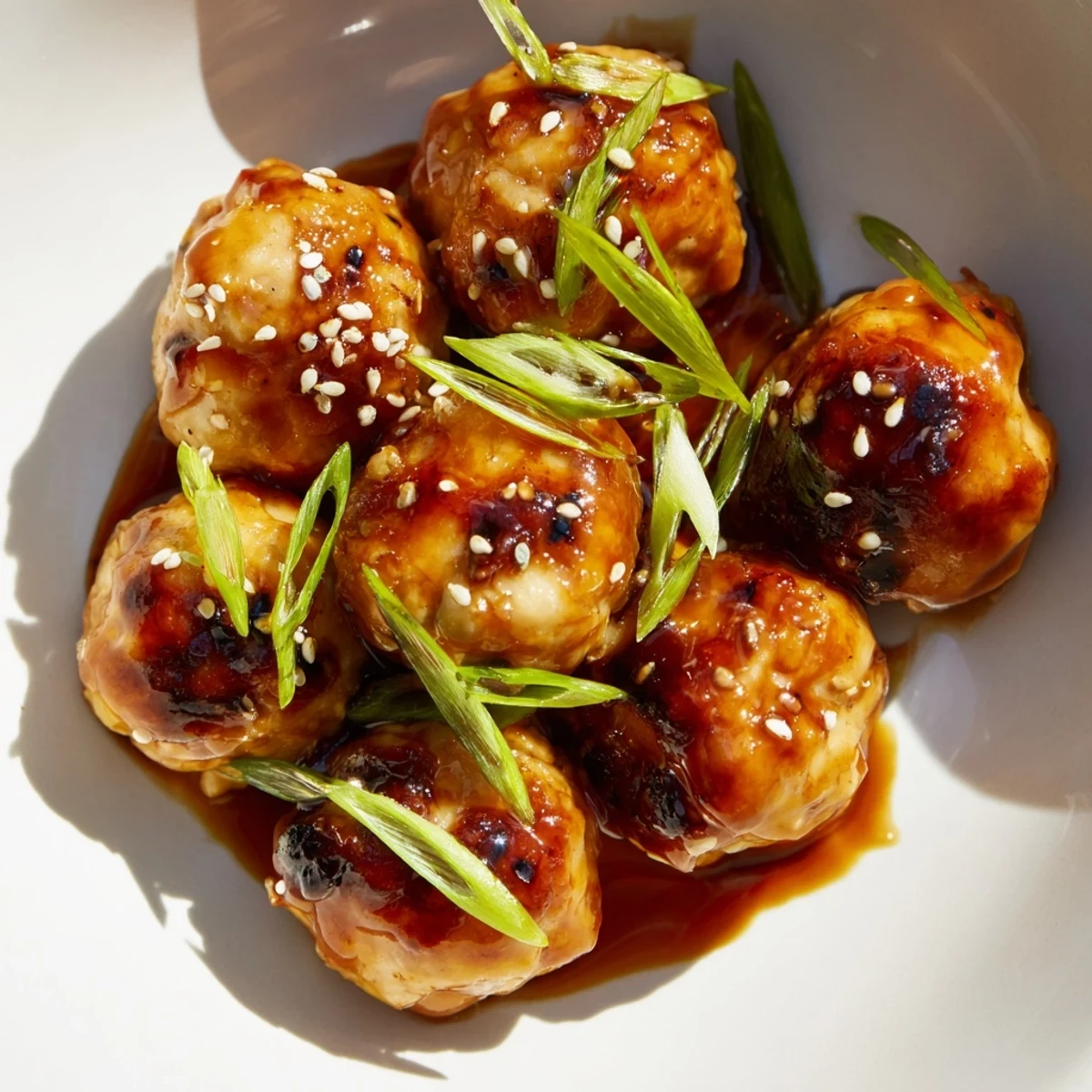
 My kids started calling these sticky balls an endearing name that stuck after my youngest accidentally used a spoon instead of chopsticks one night. They now request them for birthday dinners and special occasions, always fighting over who gets the last one. Something about that sweet, savory glaze makes people of all ages surprisingly enthusiastic.
Make-Ahead Magic
I often double the meatball mixture and freeze half shaped but uncooked on a baking sheet before transferring to bags. They go straight from freezer to skillet, taking just a few extra minutes to cook through. Having a batch ready means I am never more than 25 minutes away from a meal that feels like a special occasion.
Sauce Variations
Sometimes I add a teaspoon of grated fresh ginger to the sauce itself for extra zing. A splash of rice vinegar balances the sweetness beautifully, and a pinch of red pepper flakes creates a spicy version that my husband prefers. The basic recipe is forgiving, so feel free to adjust the sugar to suit your taste.
Serving Ideas
While steamed rice is classic, I have served these over udon noodles, tucked into bento boxes, or threaded onto skewers for parties. They make incredible slider filling with some pickled vegetables and extra sauce drizzled on top.
- Try topping with extra sesame seeds right before serving for crunch
- A side of quick-pickled cucumbers cuts through the richness
- Leftovers reheat beautifully with a splash of water to loosen the glaze
 Save to Pinterest
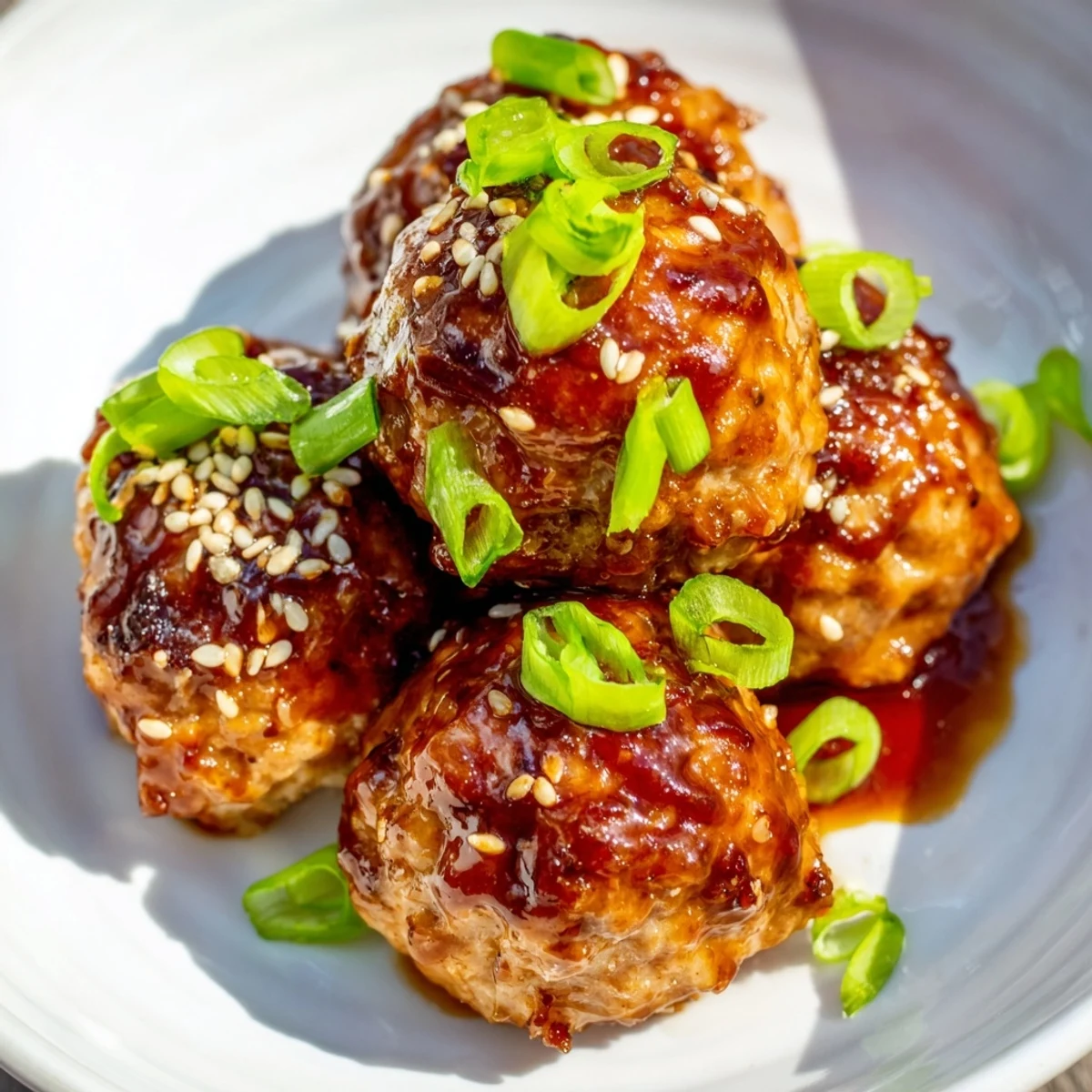
 Whether you are feeding a crowd or just treating yourself on a Tuesday night, these meatballs have a way of making any meal feel special. That homemade teriyaki sauce really is the secret weapon every home cook needs in their back pocket.
Recipe FAQs
- → What makes these meatballs so juicy?
-
The combination of ground chicken, panko breadcrumbs, egg, and a touch of mirin creates exceptional moisture retention. Mixing just until combined prevents overworking the meat, which keeps the texture tender rather than tough.
- → Can I bake these instead of frying?
-
Yes, arrange meatballs on a parchment-lined baking sheet and bake at 400°F (200°C) for 18-20 minutes, turning halfway through. Complete by tossing in the prepared teriyaki glaze as directed.
- → How do I store leftovers?
-
Store cooled meatballs in an airtight container in the refrigerator for up to 3 days. Reheat gently in a skillet over low heat, adding a splash of water to loosen the sauce if needed.
- → Can I freeze these meatballs?
-
Freeze uncooked meatballs on a baking sheet until firm, then transfer to a freezer bag for up to 3 months. Cook from frozen, adding 2-3 minutes to the cooking time.
- → What can I serve with these meatballs?
-
Steamed white rice is the classic accompaniment, but they also pair beautifully with udon noodles, soba noodles, or roasted vegetables like broccoli and bell peppers.
- → Is there a substitute for mirin?
-
Mix equal parts dry sherry or white wine with a pinch of sugar, or use a combination of water and a splash of rice vinegar for a similar effect.