
 Save to Pinterest
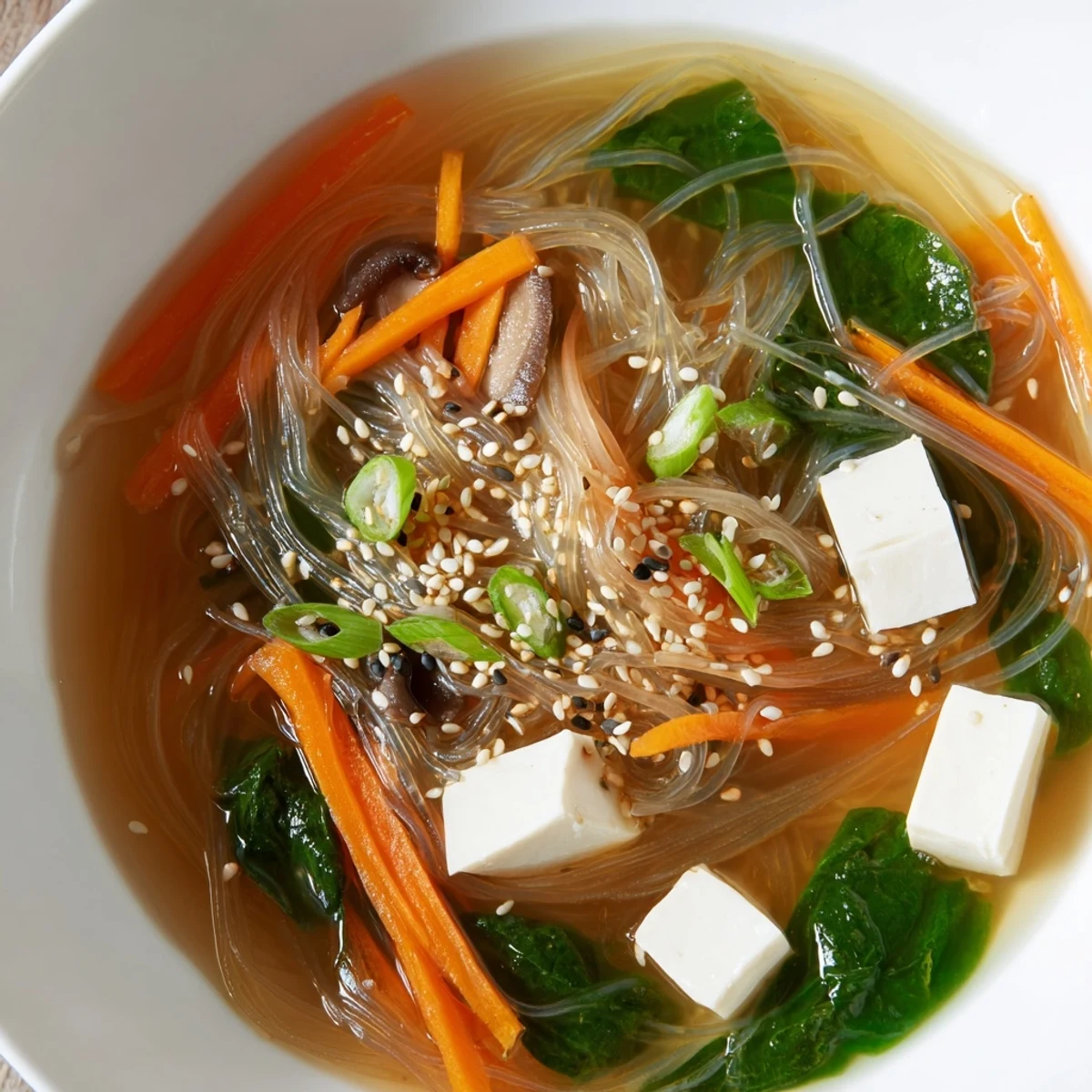
 This comforting Japanese bowl features translucent harusame glass noodles swimming in a fragrant dashi broth. Delicate shiitake mushrooms, sweet julienned carrots, and fresh spinach create a harmonious balance of textures and flavors. The savory base combines soy sauce, mirin, and toasted sesame oil for authentic umami depth. Perfect as a light lunch or restorative dinner, this nourishing soup comes together in just 25 minutes and serves four generously.
I stumbled upon harusame noodles during a gray February when everything in my kitchen felt heavy and too complicated. These translucent glass noodles slipped through my fingers like silk and cooked in minutes, turning into the most comforting bowl of soup I'd made all season. Now whenever I need something that feels like a warm hug but doesn't require hours of stirring, I reach for these delicate strands.
Last week my neighbor stopped by while I was simmering the broth, and the aroma of sesame oil and shiitake mushrooms filled the entire apartment. She stayed for lunch and we slurped our noodles standing at the counter, both of us agreeing that sometimes the simplest meals are the ones that stick with you longest. Now she texts me whenever she makes it, usually with some tiny variation she discovered.
Ingredients
- Dashi stock: The foundation of Japanese cooking, but don't stress over homemade, a good quality broth works perfectly here
- Soy sauce: Use a naturally brewed brand for that deep umami flavor that makes the broth sing
- Mirin: Adds just enough sweetness to balance the saltiness without making the soup taste sugary
- Sesame oil: Toasted sesame oil is non-negotiable here, it gives the broth its nutty soul
- Harusame noodles: These glass noodles are made from mung beans and become deliciously slippery and tender
- Shiitake mushrooms: Fresh shiitakes add meaty depth, though dried ones rehydrated work in a pinch
- Baby spinach: Wilts beautifully in seconds, adding fresh green color and nutrients
- Firm tofu: Completely optional, but adds protein and makes it feel more substantial
Instructions
- Build the broth base:
- Combine your dashi stock, soy sauce, mirin, sesame oil, and salt in a large saucepan and let it come to a gentle simmer over medium heat.
- Soften the vegetables:
- Add the julienned carrots and sliced shiitake mushrooms, letting them simmer for about 5 minutes until they just begin to yield to the bite.
- Add protein if desired:
- Toss in the cubed tofu now, letting it warm through for another 2 minutes so it absorbs some of that flavorful broth.
- Prep the noodles:
- While the broth simmers, place your harusame noodles in a heatproof bowl, cover with boiling water, and soak for 4 to 5 minutes until tender.
- Wilt the greens:
- Drop the spinach or bok choy into the simmering broth and cook for just 1 minute until it collapses into vibrant green ribbons.
- Assemble the bowls:
- Drain the noodles and divide them among serving bowls, then ladle the hot broth and vegetables over each portion.
- Finish with garnish:
- Sprinkle toasted sesame seeds and extra sliced spring onion on top, serving immediately while everything is steaming hot.
 Save to Pinterest
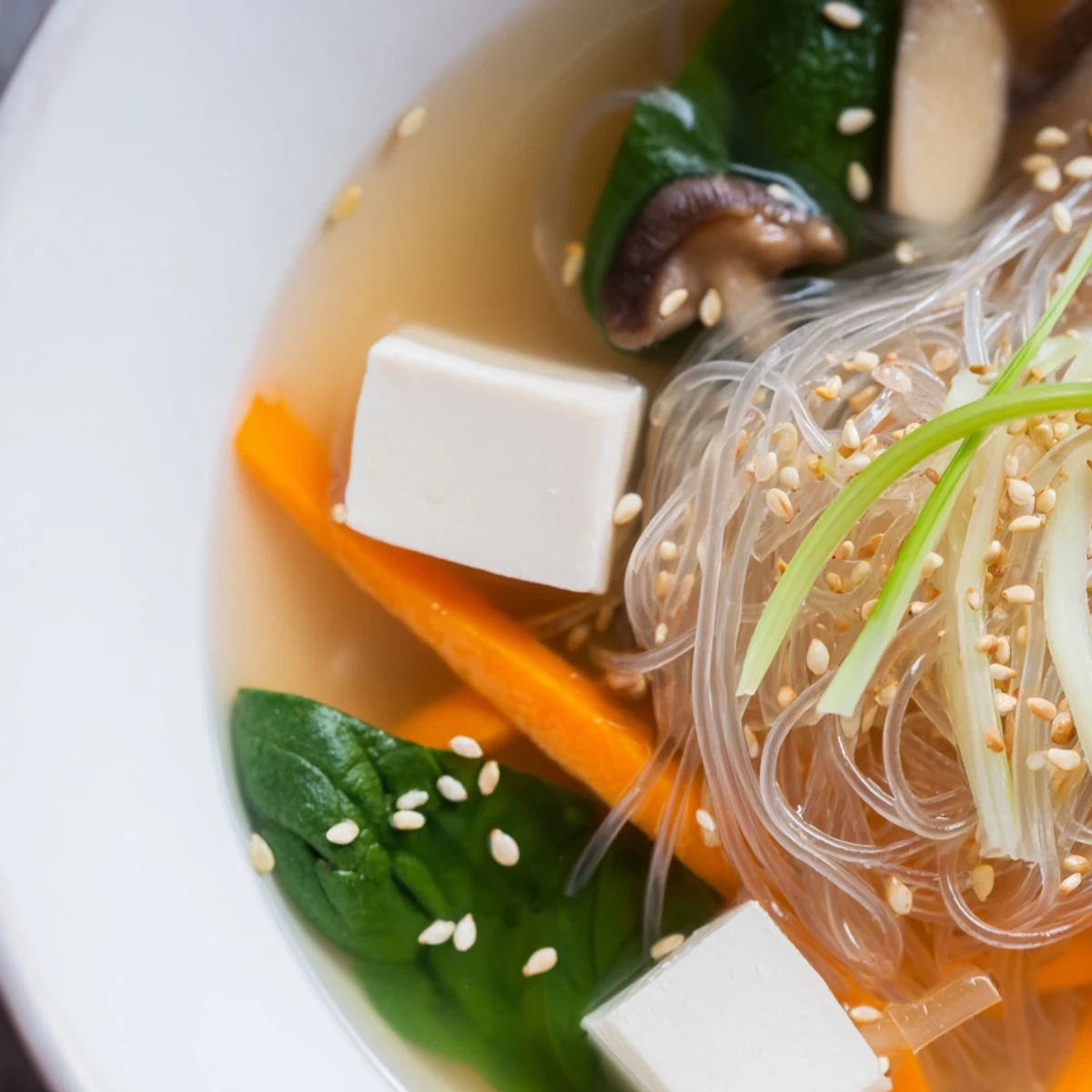
 My mother-in-law visited from Tokyo and quietly approved when I served this for lunch, which felt like winning a gold medal. She taught me to slide the noodles into individual bowls first, then pour the broth over them so each person gets the perfect ratio of noodles to soup.
Making It Your Own
I've discovered that a few drops of chili oil or a pinch of shichimi togarashi transforms this into something entirely different while keeping its gentle character. Sometimes I swap tofu for shredded cooked chicken when I need something more substantial, and the broth embraces either protein equally well.
Broth Variations
Vegetable broth works beautifully if you want to keep it completely plant-based, though the flavor profile shifts slightly. For a richer version, I've added a splash of cooking sake along with the mirin, which deepens the complexity without overpowering the delicate vegetables.
Make-Ahead Tips
You can prep all your vegetables and even make the broth a day ahead, keeping everything in separate containers in the refrigerator. The flavors actually improve overnight, so don't hesitate to make the broth in advance and simply reheat it when you're ready to eat.
- Cut the carrots and mushrooms the night before for even faster assembly
- Keep the garnishes in small containers so they stay fresh and crisp
- Never add the noodles to the broth if storing leftovers, they'll swell and become unappealing
 Save to Pinterest
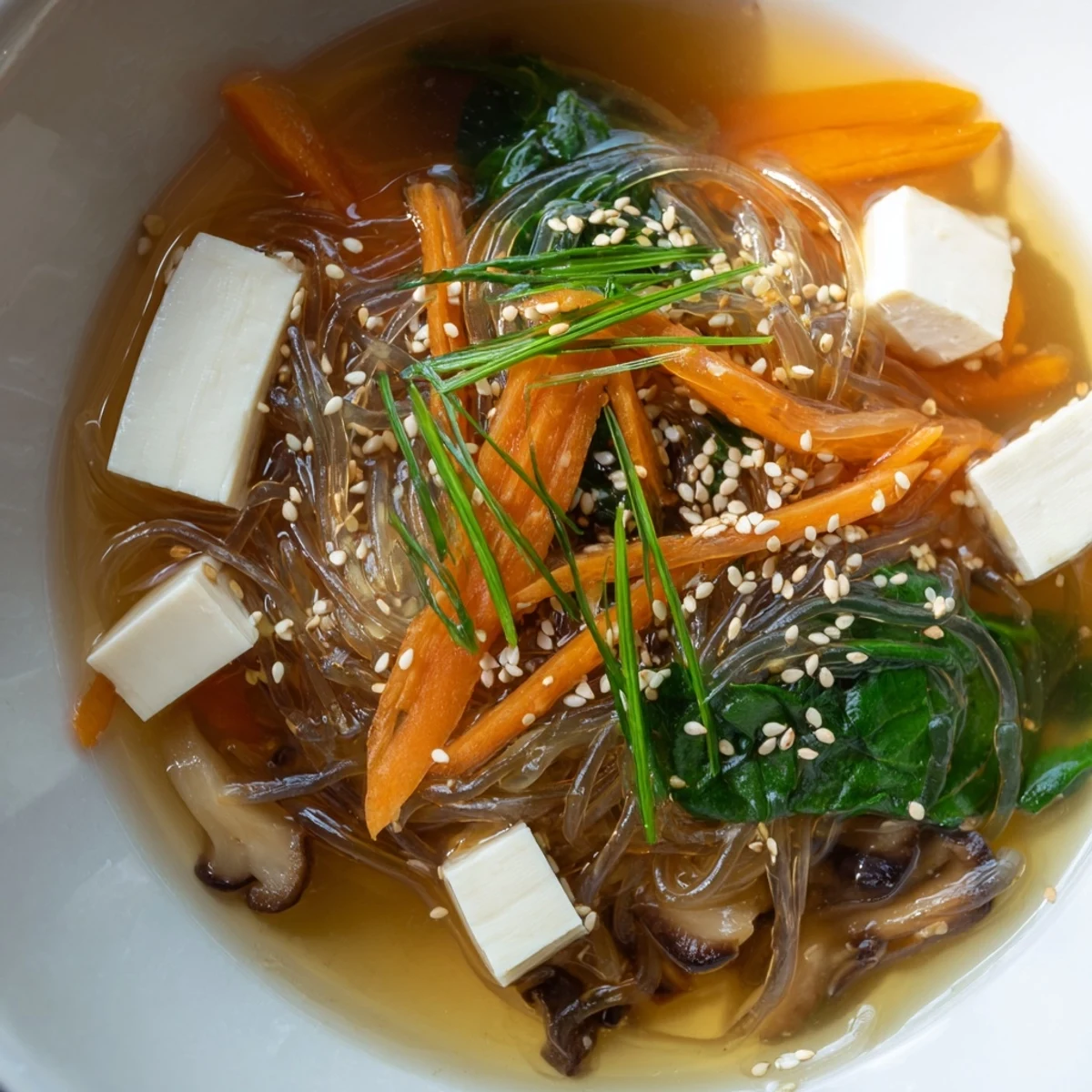
 There's something deeply restorative about a bowl of broth this clear and bright, like it knows exactly what your body needs. I hope it becomes your quick comfort too.
Recipe FAQs
- → What are harusame noodles?
-
Harusame are Japanese glass noodles made from mung bean starch, also known as cellophane noodles or vermicelli. They're translucent, gluten-free, and have a delicate, springy texture that absorbs flavors beautifully in broths and stir-fries.
- → Can I make this soup vegetarian?
-
Yes, simply substitute traditional dashi (which contains bonito flakes) with vegetable broth or kombu dashi. The result remains flavorful and satisfying while being completely plant-based.
- → How do I store leftovers?
-
Store broth and noodles separately in airtight containers in the refrigerator for up to 2 days. Reheat the broth and pour over freshly cooked or room-temperature noodles to prevent them from becoming mushy.
- → What protein alternatives work well?
-
Shredded cooked chicken, tempura shrimp, or pan-seared tofu cubes make excellent additions. For a heartier version, add soft-boiled eggs or thinly sliced beef that cooks quickly in the hot broth.
- → Can I add other vegetables?
-
Absolutely. Enoki mushrooms, snow peas, baby corn, bamboo shoots, or wakame seaweed all complement the delicate flavors. Add vegetables according to their cooking times—harder vegetables earlier, delicate greens last.