
 Save to Pinterest
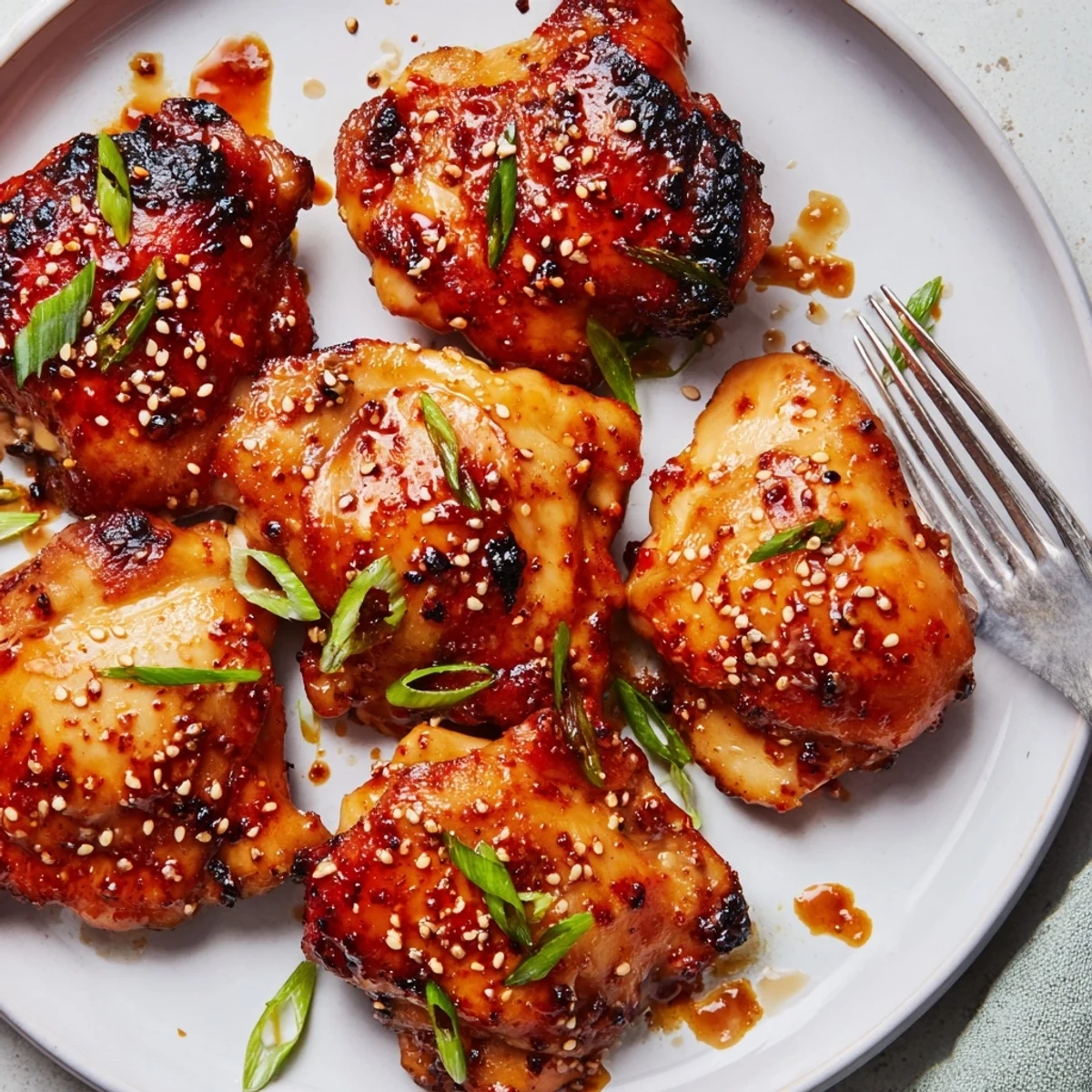
 Marinated chicken thighs soak in a soy-sesame-honey mixture spiked with gochujang, garlic and ginger, then oven-roasted at high heat until the edges caramelize and juices run clear. Toss the thighs in the marinade, rest 30 minutes to overnight, then roast at 425°F (220°C) for 22–25 minutes, turning once. Broil briefly for extra color. Rest 3–5 minutes, garnish with toasted sesame and spring onions. Serve with rice and kimchi for balance.
The sizzle of chicken hitting a hot baking tray on a Tuesday evening changed my weeknight cooking forever. My neighbor had brought over a jar of gochujang after a trip to Koreatown, and I stood in my kitchen sniffing the lid, completely hooked by its fermented, sweet heat. Thirty minutes later, I was licking soy-stained fingers and texting her the photo evidence. These Korean chicken thighs have been on repeat in my house ever since.
I made a double batch for a backyard gathering last summer and watched three grown adults abandon their forks to grab seconds with their hands.
Ingredients
- 8 boneless skinless chicken thighs: Thighs stay juicier than breasts and the higher fat content helps the marinade cling and caramelize beautifully.
- 4 tbsp soy sauce: This is your salt backbone, so use a good quality one if you can.
- 2 tbsp sesame oil: Toasted sesame oil adds that unmistakable nutty Korean flavor, and a little goes a long way.
- 2 tbsp honey: Honey helps the chicken develop a gorgeous sticky crust in the oven.
- 2 tbsp brown sugar: Brown sugar deepens the sweetness and aids caramelization.
- 2 tbsp rice vinegar: A gentle acidity that balances all the sweet and salty without overpowering.
- 4 garlic cloves minced: Fresh garlic only here, the jarred stuff cannot compete with this marinade.
- 2 tsp fresh ginger grated: Ginger brings warmth and a slight bite that makes the sauce feel complete.
- 1.5 tbsp gochujang: Korean chili paste is the soul of this recipe, offering fermented complexity and gentle heat.
- 1 tbsp toasted sesame seeds: Added straight into the marinade for texture and nutty depth.
- 2 spring onions finely sliced: Mild onion freshness woven through every bite.
- 0.5 tsp black pepper: Just enough to sharpen the edges of the sweet glaze.
- Garnish of toasted sesame seeds and sliced spring onions: A finishing sprinkle that makes it look as good as it tastes.
Instructions
- Whisk the marinade together:
- Combine soy sauce, sesame oil, honey, brown sugar, rice vinegar, garlic, ginger, gochujang, sesame seeds, spring onions, and black pepper in a bowl and whisk until smooth. Taste it on your finger and adjust the heat if you like it bolder.
- Coat the chicken:
- Toss the chicken thighs into a resealable bag or shallow dish and pour the marinade over them, massaging it into every fold and crevice. Let them sit for at least thirty minutes or up to eight hours in the fridge if you have the patience.
- Preheat and prepare:
- Heat your oven to 425 degrees Fahrenheit and line a baking tray with foil or parchment paper. This saves you from scrubbing baked on glaze later, which is a battle you will not win.
- Arrange the chicken:
- Shake off the excess marinade from each thigh and lay them on the tray with space between them so they roast instead of steam. Crowded chicken steams and you lose that chewy caramelized edge.
- Roast until golden:
- Cook for twenty two to twenty five minutes, flipping once halfway through, until the chicken is deeply caramelized and reaches an internal temperature of 165 degrees Fahrenheit. For that extra lacquered finish, hit it under the broiler for two to three minutes at the end and watch it closely.
- Rest and garnish:
- Let the chicken rest for three to five minutes so the juices redistribute instead of running out onto the plate. Scatter toasted sesame seeds and sliced spring onions over the top and serve immediately.
 Save to Pinterest
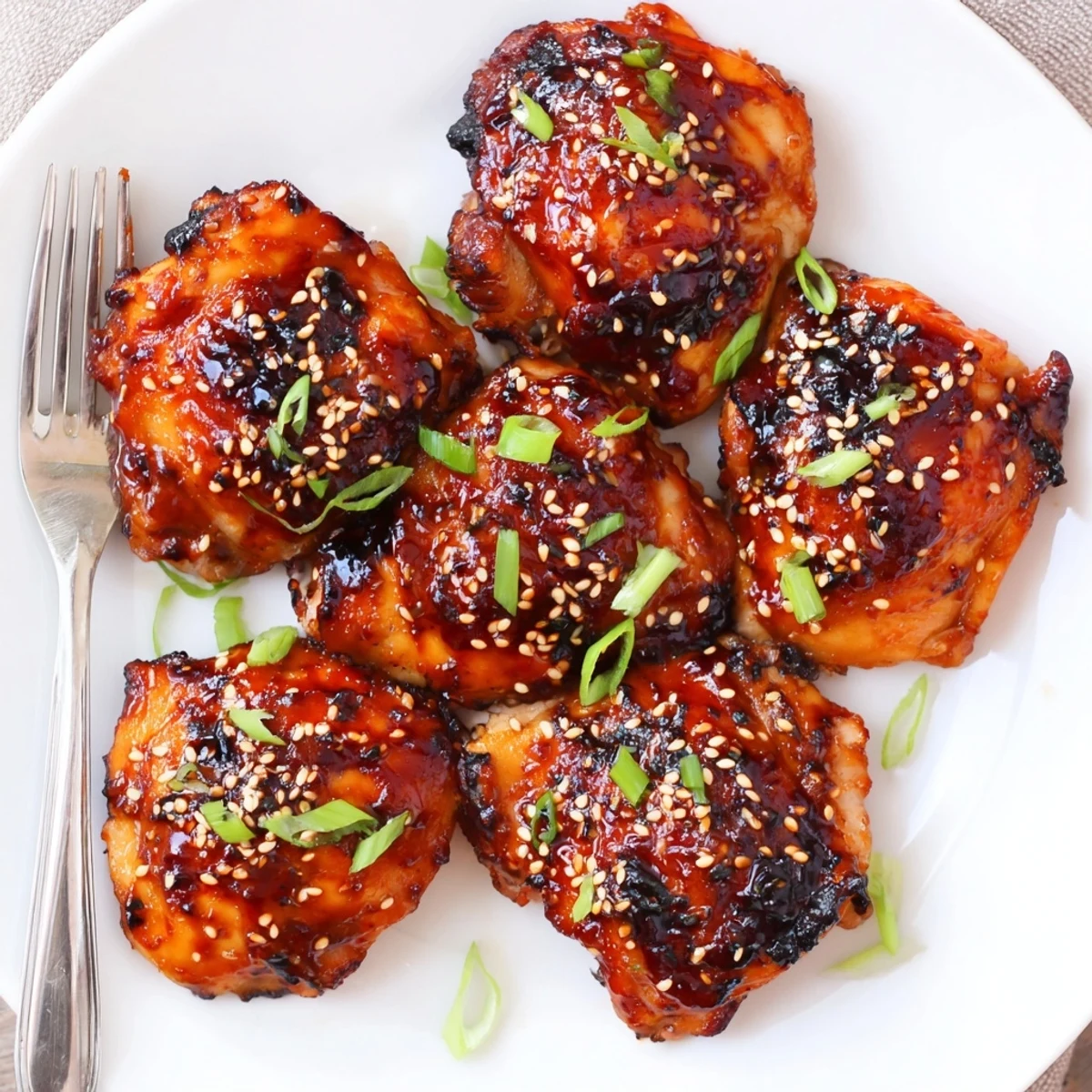
 One cold January evening I plated this chicken over plain rice for my roommate who claimed she did not like spicy food, and she asked for the recipe before finishing her plate.
Serving Ideas That Actually Work
Steamed white rice is the obvious move, but I have also piled this chicken into butter lettuce cups for a lighter dinner that feels surprisingly satisfying.
Taming the Heat
If gochujang feels intimidating, start with one tablespoon and you can always stir in more before the second batch cooks. I have swapped it for ketchup entirely when cooking for kids and the result is still delicious in its own sweeter way.
Leftovers and Make Ahead Thoughts
This chicken reheats beautifully in a skillet with a splash of water, and the marinade can be prepped in bulk and frozen in bags with raw chicken for instant weeknight dinners.
- A squeeze of lime juice right before serving wakes up flavors that have mellowed overnight.
- Grilling over medium high heat works brilliantly if you want smoky char instead of oven caramelization.
- Always double check your gochujang label for allergens since brands vary widely in soy and wheat content.
 Save to Pinterest
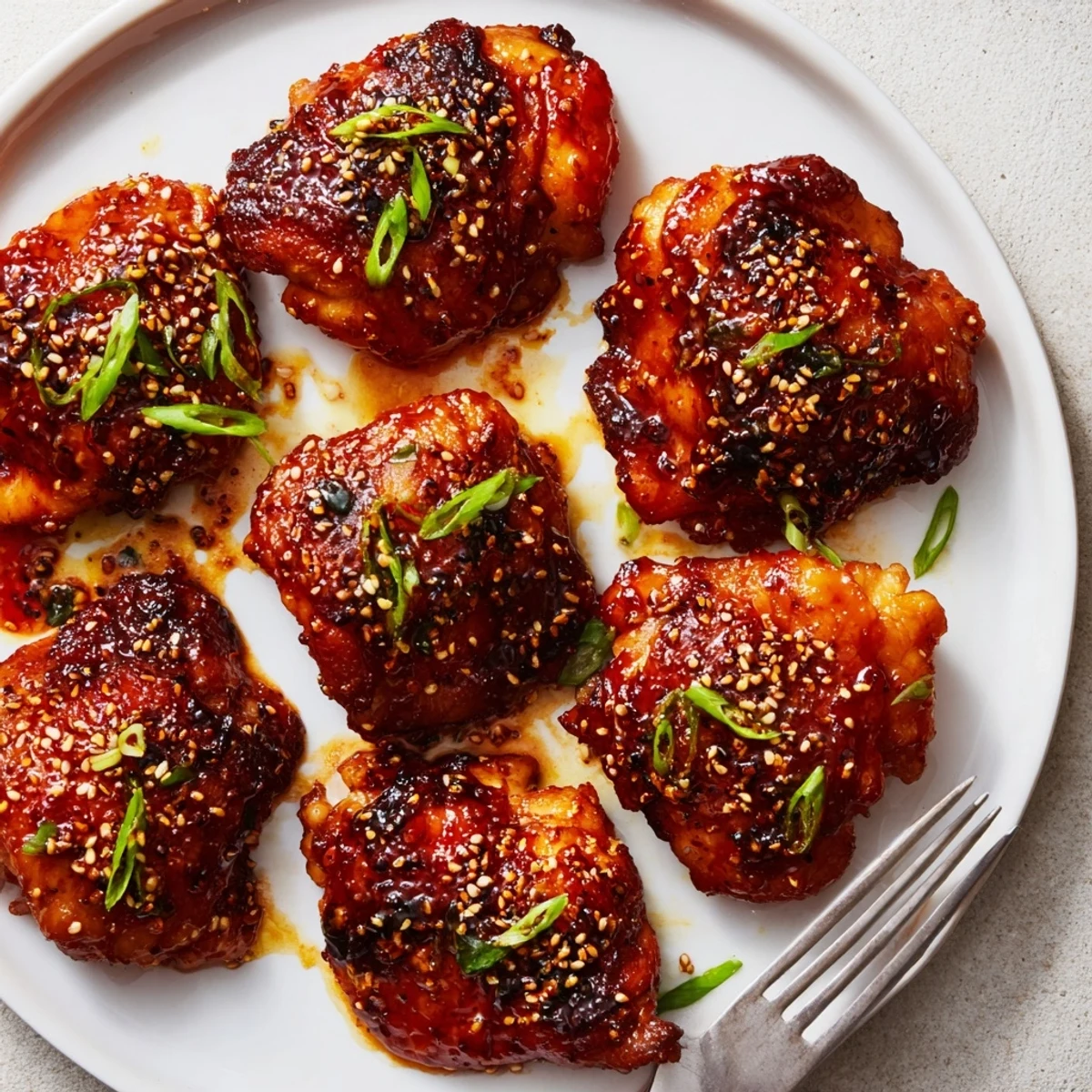
 This is the kind of recipe that earns a permanent spot in your rotation because it asks almost nothing of you and gives back everything.
Recipe FAQs
- → How long should the thighs marinate?
-
Allow at least 30 minutes for the flavors to penetrate; 2–4 hours is ideal, and up to 8 hours refrigerated gives the deepest flavor. Avoid over-marinating beyond 12 hours to prevent texture changes.
- → Can I use bone-in, skin-on thighs instead?
-
Yes. Increase roasting time to 30–35 minutes depending on thickness and start skin-side up for crisping. Use a meat thermometer and remove when the internal temperature reaches 165°F (74°C).
- → What can I use instead of gochujang?
-
For a milder option, blend tomato ketchup with a touch of chili paste and a splash of rice vinegar, or use miso plus chili flakes. Reduce quantity to taste to avoid overpowering sweetness.
- → How do I know when the chicken is done?
-
Check with an instant-read thermometer: 165°F (74°C) at the thickest part. The meat should be opaque, juices clear, and the exterior caramelized with good color.
- → Any tips for extra caramelization?
-
Roast at high heat then broil for 2–3 minutes at the end while watching closely to prevent burning. Pat excess marinade off before roasting to encourage browning.
- → How should leftovers be stored and reheated?
-
Cool fully, then refrigerate in an airtight container for 3–4 days. Reheat in a 350°F (175°C) oven until warmed through to preserve texture, or gently reheat in a skillet with a splash of oil.