
 Save to Pinterest
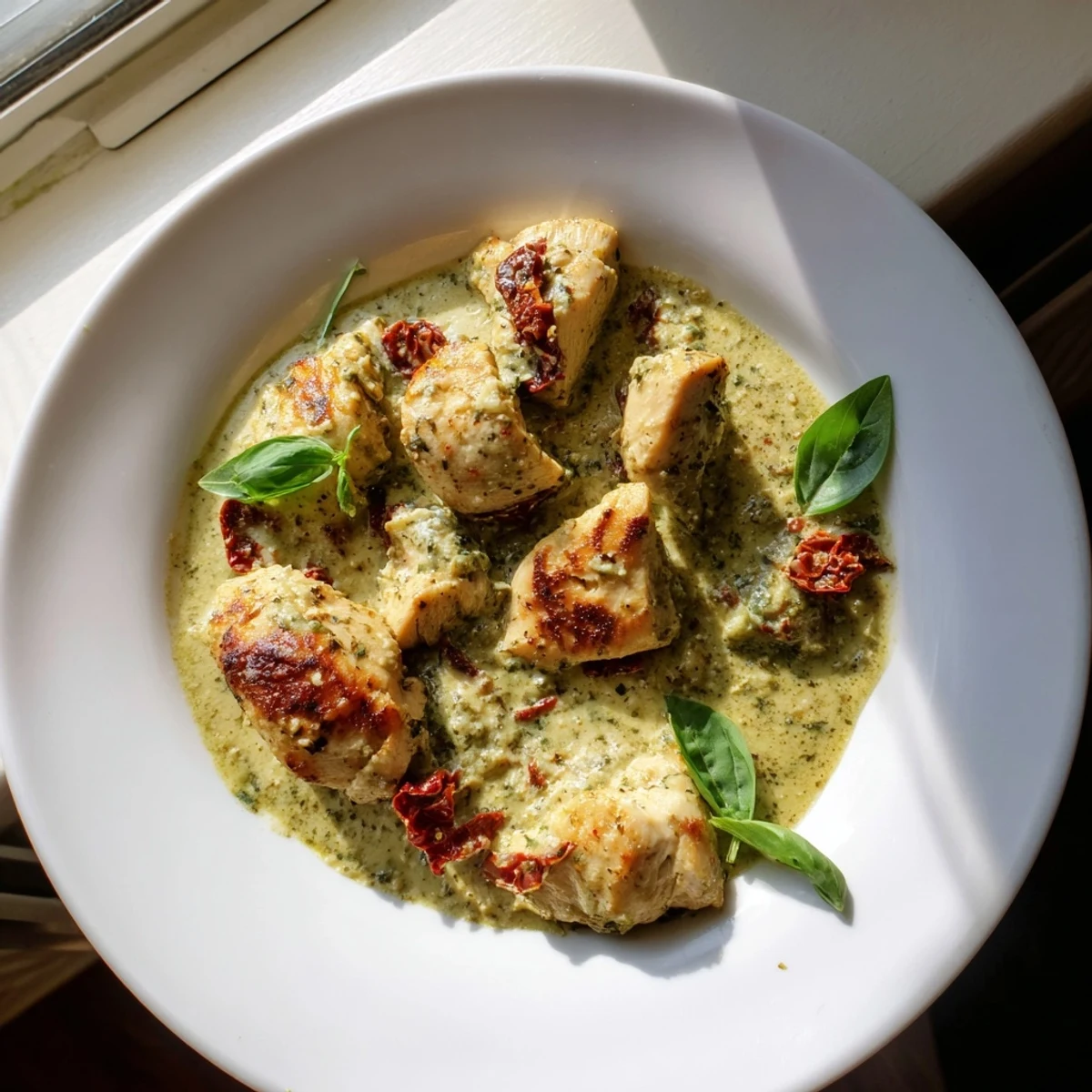
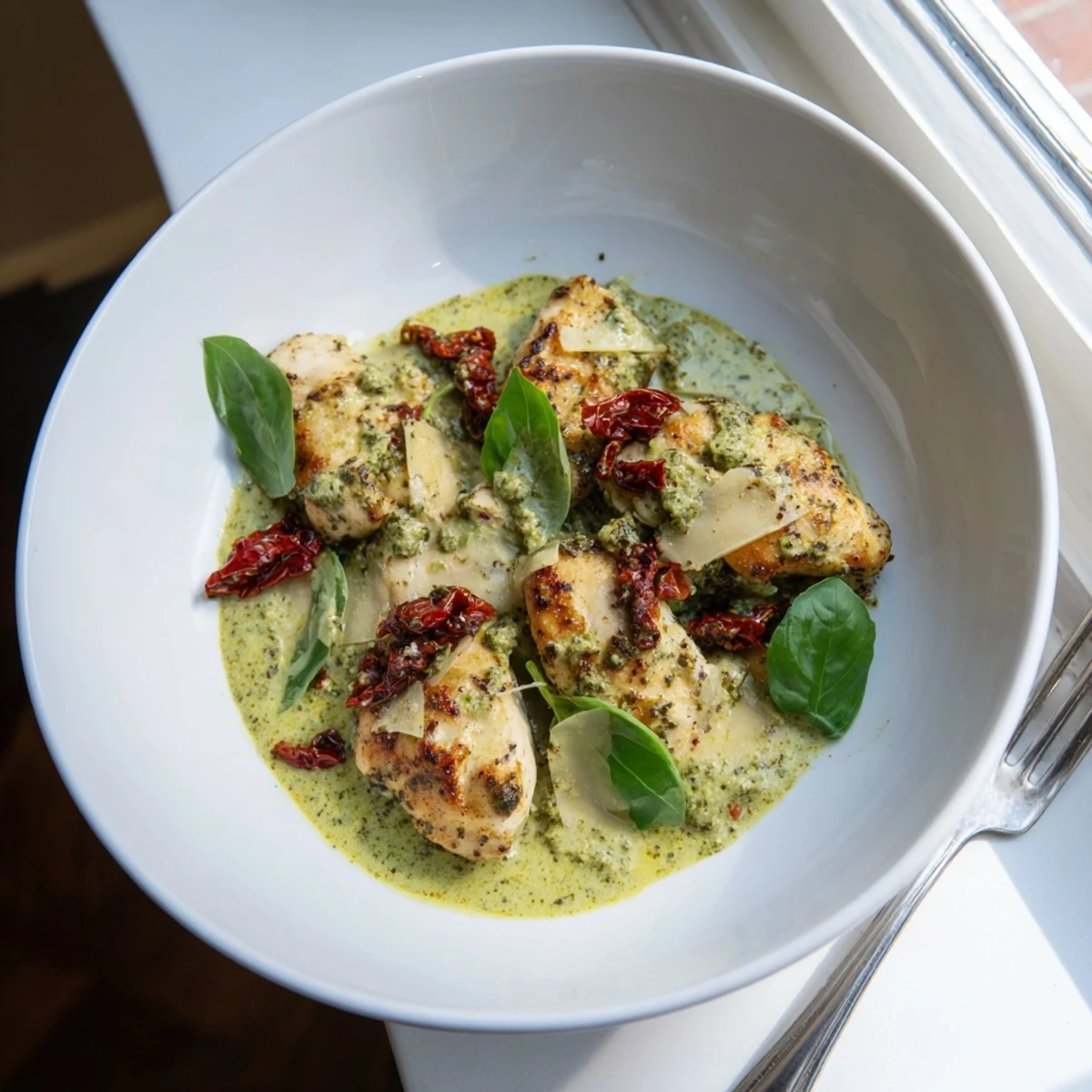
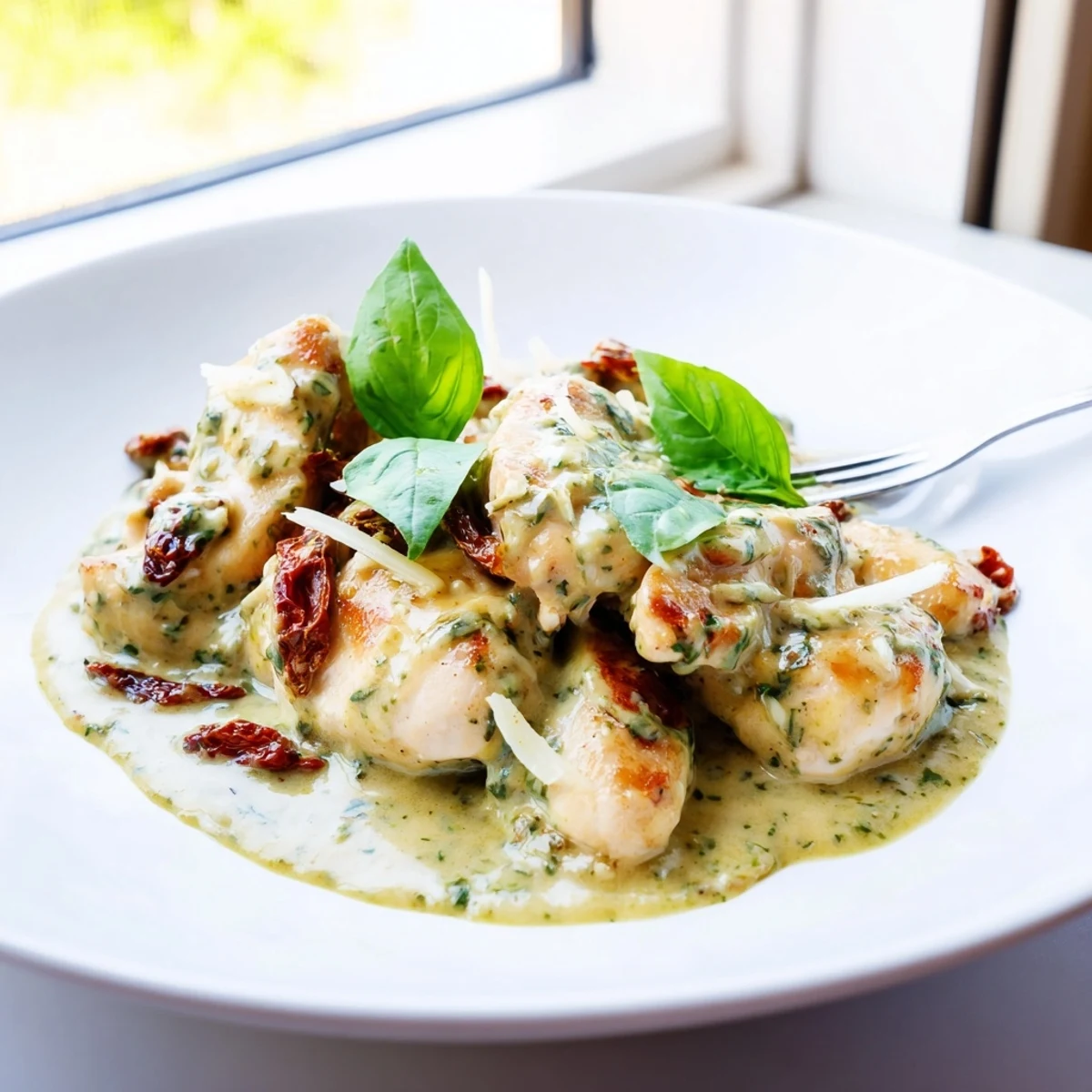
 This irresistible skillet dinner features golden-seared chicken breasts nestled in a velvety basil pesto cream sauce, studded with sun-dried tomatoes and finished with Parmesan.
Ready in just 40 minutes with simple ingredients, it's the kind of dish that earns its name — one bite and you'll be hooked. Serve it over pasta, mashed potatoes, or alongside sautéed greens for a crowd-pleasing weeknight meal.
The sound of pesto hitting a hot pan is something between a whisper and a sizzle, and it hooked me the first time I tried boosting an already outrageous cream sauce with it. My sister walked into the kitchen that evening, stopped mid sentence, and said whatever that is, I am staying for dinner. She did stay, and she ate two helpings without coming up for air.
I have made this on busy weeknights when the fridge was nearly empty and on slow Sundays when I wanted an excuse to open a good bottle of white wine. Both scenarios ended the same way: clean plates and someone asking if there is more.
Ingredients
- 4 boneless, skinless chicken breasts: Try to buy ones of similar thickness so they finish cooking at the same time.
- 1 tsp salt, 1/2 tsp black pepper, 1/2 tsp garlic powder: A simple trio that seasons the meat without competing with the sauce.
- 2 tbsp olive oil: Use a decent quality oil since it is the foundation of the sear.
- 2 cloves garlic, minced: Fresh garlic makes a difference here, so skip the jarred kind if you can.
- 1/2 cup sun-dried tomatoes, drained and chopped: They bring a tangy sweetness that balances the richness of the cream.
- 1 cup heavy cream: This is not the place to skimp, as the sauce needs its full body.
- 1/2 cup chicken broth: Thins the sauce just enough and adds savory backbone.
- 1/3 cup basil pesto: Store-bought works beautifully, but homemade will push it over the top.
- 1/2 cup grated Parmesan cheese: Grate it fresh so it melts smoothly into the sauce.
- Fresh basil leaves and extra Parmesan for garnish: A handful of torn basil at the end brightens everything.
Instructions
- Season the chicken:
- Pat the breasts dry and sprinkle both sides generously with salt, pepper, and garlic powder, pressing the seasoning in with your fingertips.
- Build a golden crust:
- Heat olive oil in a large skillet over medium-high heat until it shimmers, then lay the chicken in without crowding and sear for four to five minutes per side until you get a deep golden color.
- Wake up the aromatics:
- Transfer the chicken to a plate and drop the garlic and sun-dried tomatoes into the same skillet, stirring for one to two minutes until the smell fills every corner of your kitchen.
- Build the sauce:
- Lower the heat, pour in the cream and broth, and scrape up every browned bit from the bottom because that is pure flavor you do not want to lose.
- Add the magic:
- Stir in the pesto and Parmesan, keep stirring until the sauce turns a lovely green flecked ivory, and let it come to a gentle simmer.
- Bring it all together:
- Nestle the chicken back into the skillet, spoon sauce over each piece, cover, and simmer on low for ten to twelve minutes until the chicken is cooked through and the sauce coats the back of a spoon.
- Finish and serve:
- Scatter torn basil and an extra shower of Parmesan over the top and serve straight from the skillet while it is still bubbling.
 Save to Pinterest
 One winter evening I served this to a friend who had just gone through a rough breakup, and by the end of the meal she was laughing and asking for the recipe. Food does that sometimes.
Serving Ideas That Actually Work
Spoon the chicken and sauce over al dente penne or linguine for the most obvious and satisfying pairing. Mashed potatoes or crusty bread also do a stellar job of soaking up every drop, and for a lighter plate, a bed of sautéed spinach or zucchini noodles works surprisingly well.
What to Pour Alongside It
A crisp Pinot Grigio cuts right through the richness, while a lightly oaked Chardonnay leans into the creaminess and feels like a warm hug. A sparkling water with a squeeze of lemon is your best non-alcoholic bet.
Storage and Leftovers
This reheats gently in a covered skillet over low heat better than it does in the microwave, which can make the sauce separate. Leftovers keep in an airtight container in the fridge for up to three days and make an incredible lunch the next day. Freeze only the sauce if you plan ahead, as reheated chicken breast can turn rubbery after freezing.
- Always add a splash of broth or cream when reheating to bring the sauce back to life.
- Taste for salt after reheating because flavors can mellow overnight.
- Never freeze the garnish, just add fresh basil when you serve.
 Save to Pinterest
 Make this once and it will earn a permanent spot in your rotation, no engagement required. Just good food shared with people you love.
Recipe FAQs
- → Can I use chicken thighs instead of chicken breasts?
-
Yes, boneless skinless chicken thighs work beautifully in this dish. They remain juicier and more forgiving during cooking. Adjust the simmering time by a few extra minutes since thighs take slightly longer to cook through.
- → What can I substitute for heavy cream?
-
Half-and-half is the easiest lighter substitute, though the sauce will be slightly less thick. For a dairy-free option, full-fat coconut cream works, but it will add a subtle coconut flavor to the finished dish.
- → How do I store and reheat leftovers?
-
Store leftovers in an airtight container in the refrigerator for up to 3 days. Reheat gently in a skillet over low heat, adding a splash of chicken broth to loosen the sauce. Avoid microwaving on high, as the cream sauce can separate.
- → Can I make this ahead of time?
-
You can prepare the pesto cream sauce up to 2 days in advance and store it in the refrigerator. When ready to serve, sear the chicken fresh and finish the dish by combining everything in the skillet for the final simmer.
- → What should I serve with this dish?
-
This creamy pesto chicken pairs well with pasta, mashed potatoes, crusty bread, or over a bed of sautéed spinach. A crisp Pinot Grigio or lightly oaked Chardonnay complements the richness of the sauce perfectly.
- → Is homemade pesto better than store-bought for this dish?
-
Both work well. Homemade basil pesto offers brighter, fresher flavor, while a quality store-bought pesto saves time and still delivers excellent results. If using store-bought, opt for one refrigerated in the deli section rather than jarred.