
 Save to Pinterest
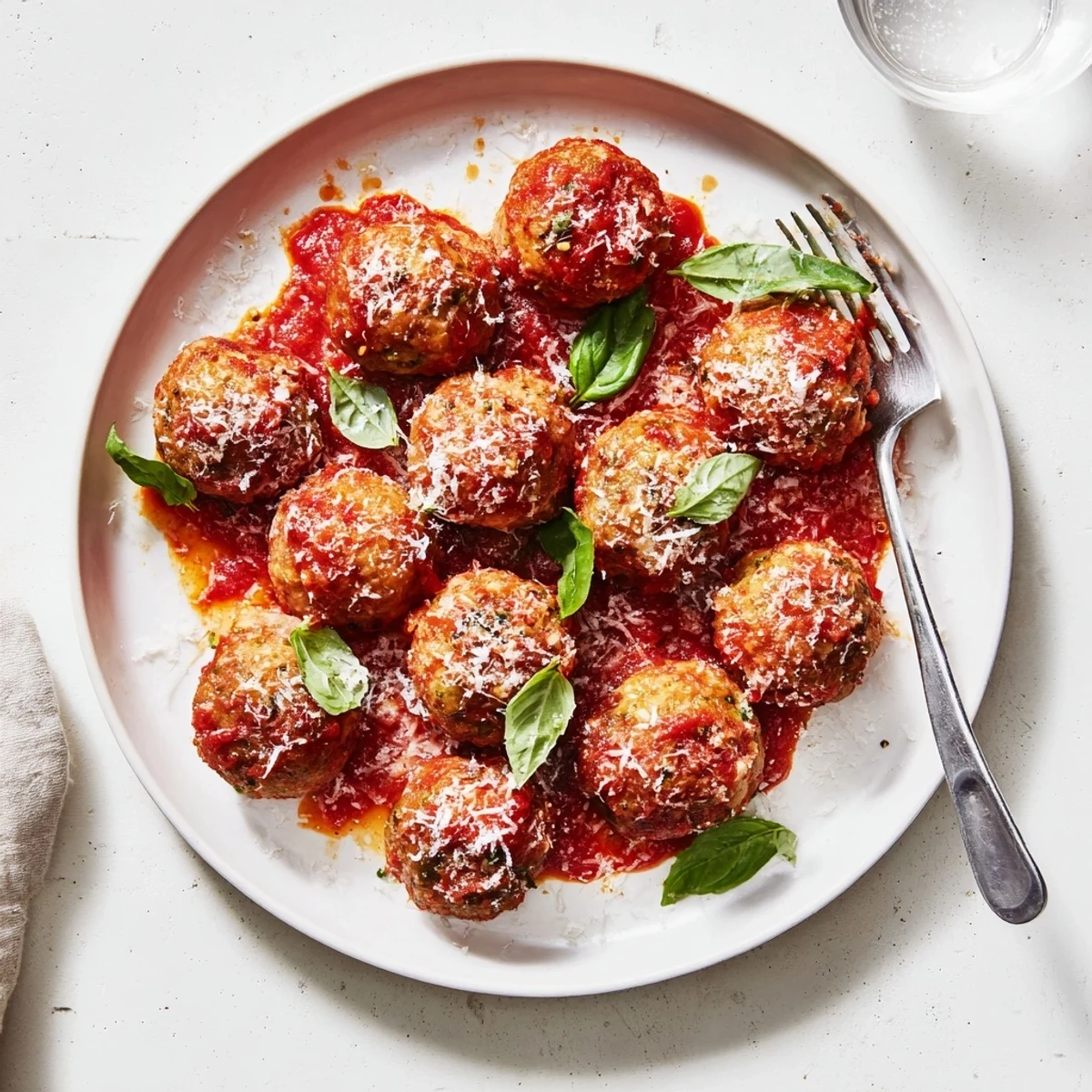
 These satisfying meatballs combine creamy ricotta with savory mushrooms for a vegetarian twist on Italian comfort food. The mixture binds perfectly with breadcrumbs and Parmesan, creating tender bites that bake until golden. A simple homemade tomato sauce with basil and oregano simmers while the meatballs cook, ready to welcome them for a final flavor melding. Serve over spaghetti, tucked into crusty bread, or alongside creamy polenta for a complete meal.
The first time I made ricotta meatballs, my husband took one bite and asked where the beef was. That confused look on his face when I told him these were entirely vegetarian still makes me laugh. Now they are the one meatless dinner he actually requests, and I have caught him sneaking extras straight from the pan when he thinks I am not looking.
Last winter my sister came over exhausted from a new job, and I served these with spaghetti and a simple green salad. She sat at the counter picking at meatballs while telling me about her day, and by the time she realized she had eaten almost half the batch, she looked genuinely surprised. That night turned into a weekly tradition we both count on now.
Ingredients
- 250 g fresh ricotta cheese: The creamy base that keeps these meatballs tender, try to find whole milk ricotta for the best texture
- 200 g cremini or button mushrooms: Finely chopped they mimic the texture of ground meat while adding earthy flavor
- 2 tbsp olive oil: For sautéing the vegetables and building flavor in the sauce
- 1 small onion: Adds sweetness and depth to both the meatballs and sauce
- 2 garlic cloves: Aromatic backbone for the whole dish
- 60 g breadcrumbs: Binds everything together, use panko for a lighter texture or regular for more structure
- 40 g grated Parmesan cheese: Brings salty nutty notes that make these taste satisfying and rich
- 2 tbsp fresh parsley: Bright herb flavor that cuts through the richness
- 1 tsp dried oregano: Classic Italian herb that gives these their familiar comforting taste
- 1 large egg: Essential for binding the mixture so the meatballs hold their shape
- Salt and black pepper: Do not skimp here since vegetables need seasoning to shine
- 800 g crushed tomatoes: The foundation of a simple but deeply flavorful sauce
- Additional sauce aromatics: More onion, garlic, basil, oregano, and a pinch of sugar to balance the tomatoes
Instructions
- Roast the vegetables:
- Sauté the mushrooms and onion until all moisture evaporates and they start to turn golden, then stir in garlic for just a minute to avoid bitterness
- Mix the meatball mixture:
- Combine ricotta, cooled vegetables, breadcrumbs, Parmesan, herbs, egg, and seasonings until everything is evenly distributed
- Shape and bake:
- Form the mixture into golf ball sized rounds, placing them on a parchment lined baking sheet, then bake at 200°C for about 18 minutes until golden and firm
- Build the sauce:
- While meatballs cook, sauté onion and garlic until soft, add crushed tomatoes with herbs and sugar, then simmer until slightly thickened
- Combine and serve:
- Gently nestle the baked meatballs into the sauce and let them simmer together for 5 minutes, then serve scattered with fresh basil and extra Parmesan
 Save to Pinterest
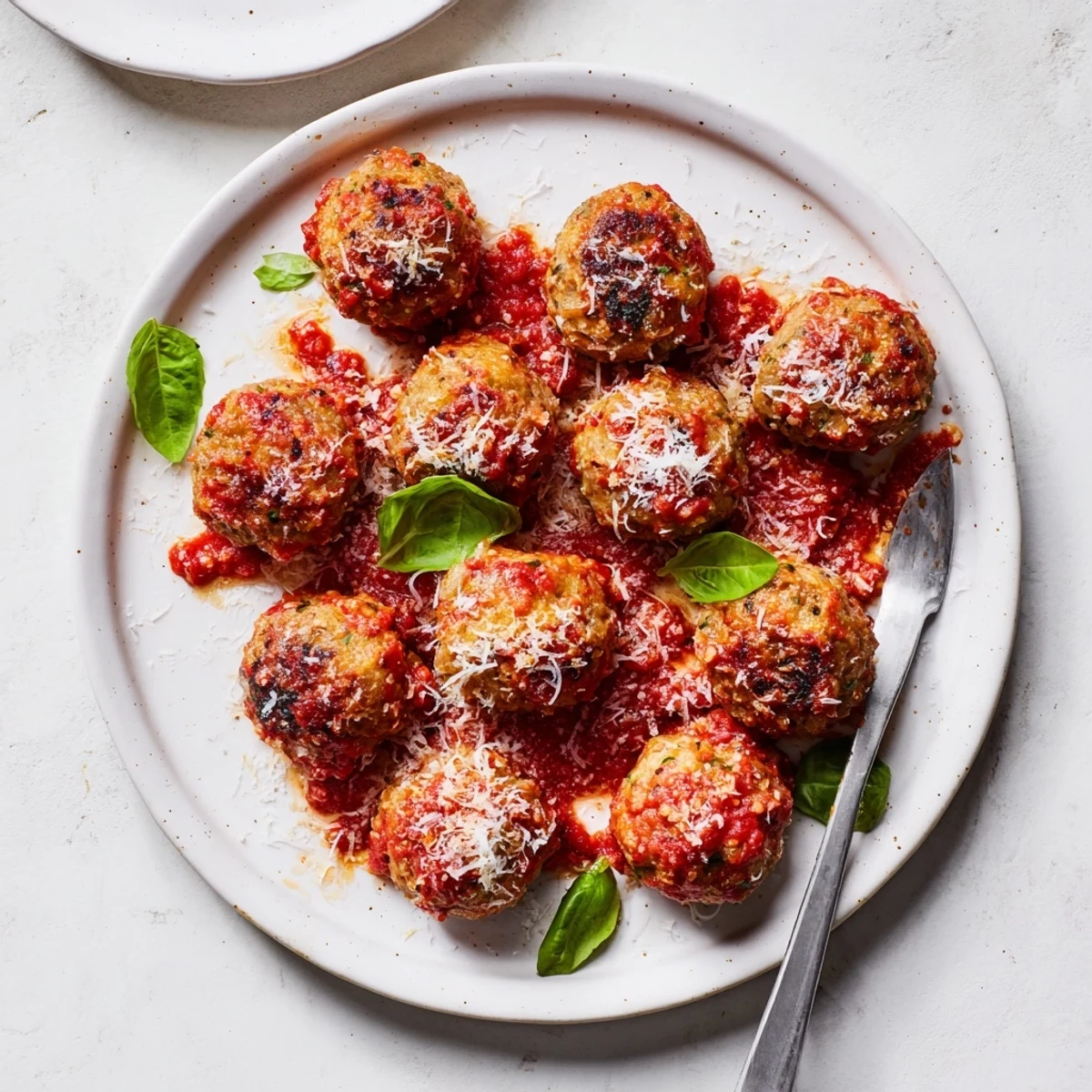
 These meatballs have become my go-to for introducing skeptical friends to vegetarian cooking. The best moment is always watching someone take that first tentative bite, then reach immediately for a second meatball without saying a word.
Making Them Ahead
The uncooked meatballs freeze beautifully, so I often double the batch and keep some in the freezer for busy weeknights. Just bake them from frozen, adding a few extra minutes to the cooking time.
Serving Ideas
Beyond pasta, these work perfectly in meatball subs with melted mozzarella or as part of an antipasto spread. Sometimes I serve them as appetizers with toothpicks and a small bowl of warm sauce for dipping.
Getting the Texture Right
If your ricotta seems especially wet, drain it in a sieve for about 15 minutes before using. This small step prevents the meatballs from becoming too soft and helps them hold their shape better during baking.
- Wet your hands slightly before shaping to prevent sticking
- Space the meatballs evenly on the baking sheet for even browning
- Let the finished dish rest for 5 minutes before serving to let flavors settle
 Save to Pinterest
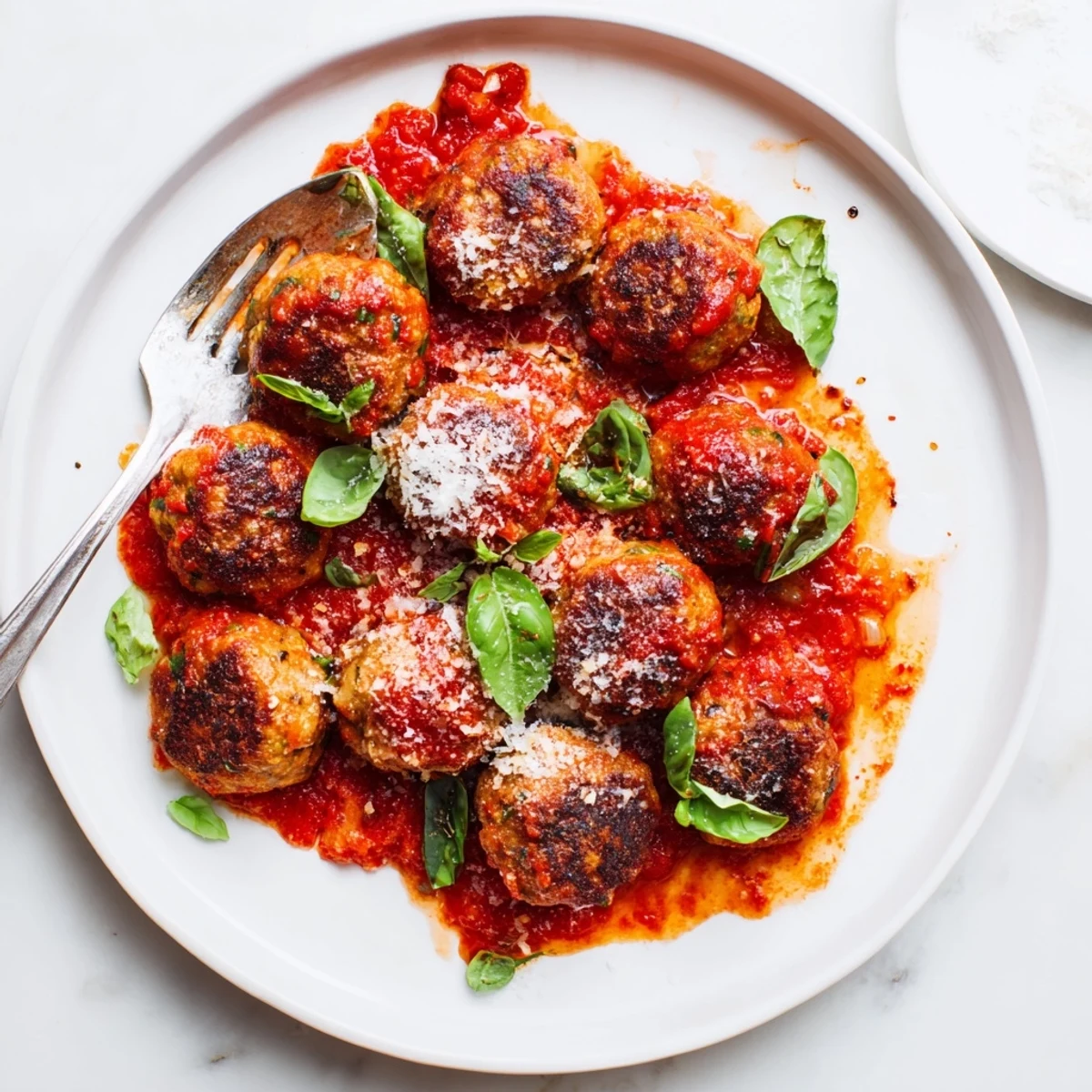
 There is something deeply comforting about a plate of spaghetti and meatballs, vegetarian or not. These ricotta mushroom meatballs have earned their permanent place in my dinner rotation.
Recipe FAQs
- → Can I make these meatballs ahead of time?
-
Yes, shape the meatballs and refrigerate for up to 24 hours before baking. You can also freeze uncooked meatballs on a baking sheet, then transfer to a freezer bag for up to 3 months. Bake from frozen, adding 5-10 minutes to cooking time.
- → What type of mushrooms work best?
-
Cremini mushrooms offer excellent flavor and texture, but button mushrooms work well too. For deeper umami flavor, try shiitake or portobello mushrooms. Chop them finely so they distribute evenly through the meatballs.
- → How do I prevent the meatballs from falling apart?
-
Ensure the mushroom mixture has cooled before combining with ricotta and egg. Letting the mixture rest for 10 minutes before shaping helps the breadcrumbs absorb moisture and bind everything together. Don't overcrowd the baking sheet.
- → Can I fry these instead of baking?
-
Absolutely. Heat olive oil in a skillet and fry meatballs for 8-10 minutes, turning frequently to brown evenly. Drain on paper towels before adding to sauce. Baking produces a lighter result with less oil.
- → What sides pair well with these meatballs?
-
Spaghetti with olive oil and garlic creates a classic combination. Creamy polenta soaks up the tomato sauce beautifully. Crusty Italian bread, roasted vegetables, or a simple arugula salad with lemon vinaigrette also complement the flavors perfectly.
- → How long do leftovers keep?
-
Store meatballs and sauce together in an airtight container for up to 4 days. Reheat gently on the stovetop with a splash of water to loosen the sauce. They actually taste better the next day as flavors continue to develop.