 Save to Pinterest
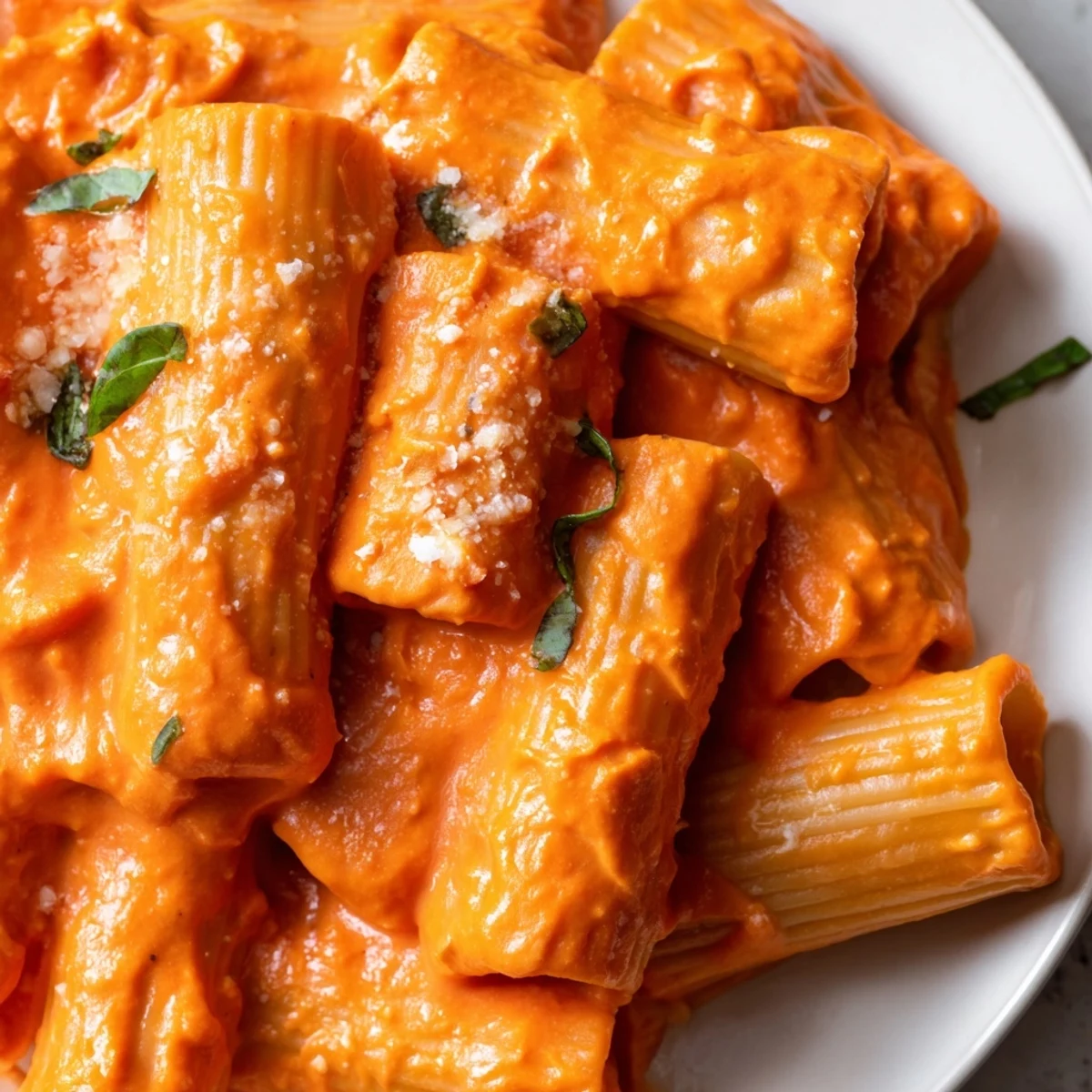
 This vibrant pasta dish combines sweet roasted red peppers with everyday pantry ingredients to create a rich, velvety sauce. The preparation is straightforward: blend jarred roasted peppers with aromatic onions, garlic, and cream cheese until silky smooth, then toss with al dente pasta.
The result balances sweetness from the peppers with subtle heat from optional red pepper flakes, creating depth without complex techniques. Ready in just 30 minutes, this versatile dish works beautifully for weeknight dinners and adapts easily to vegan or gluten-free needs.
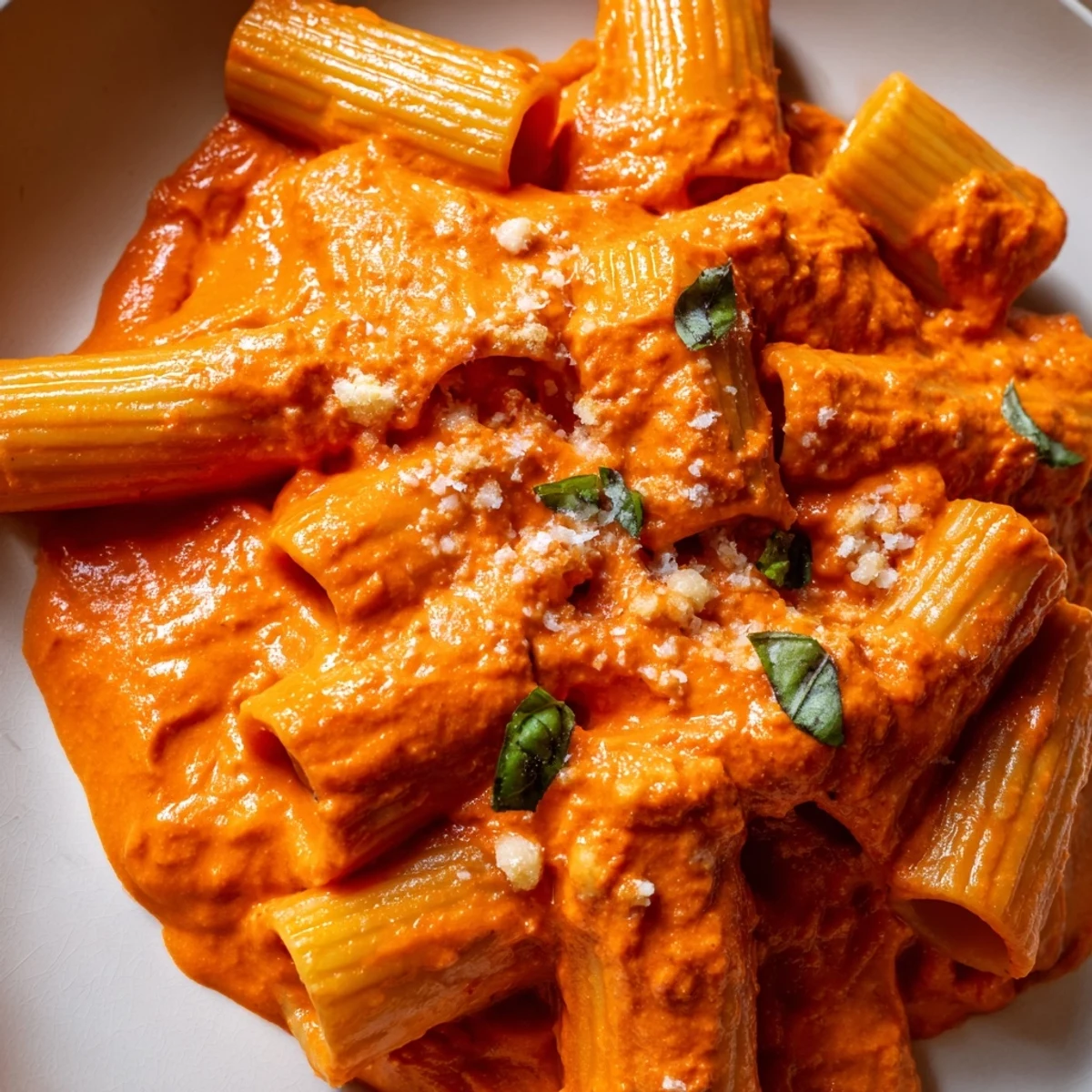
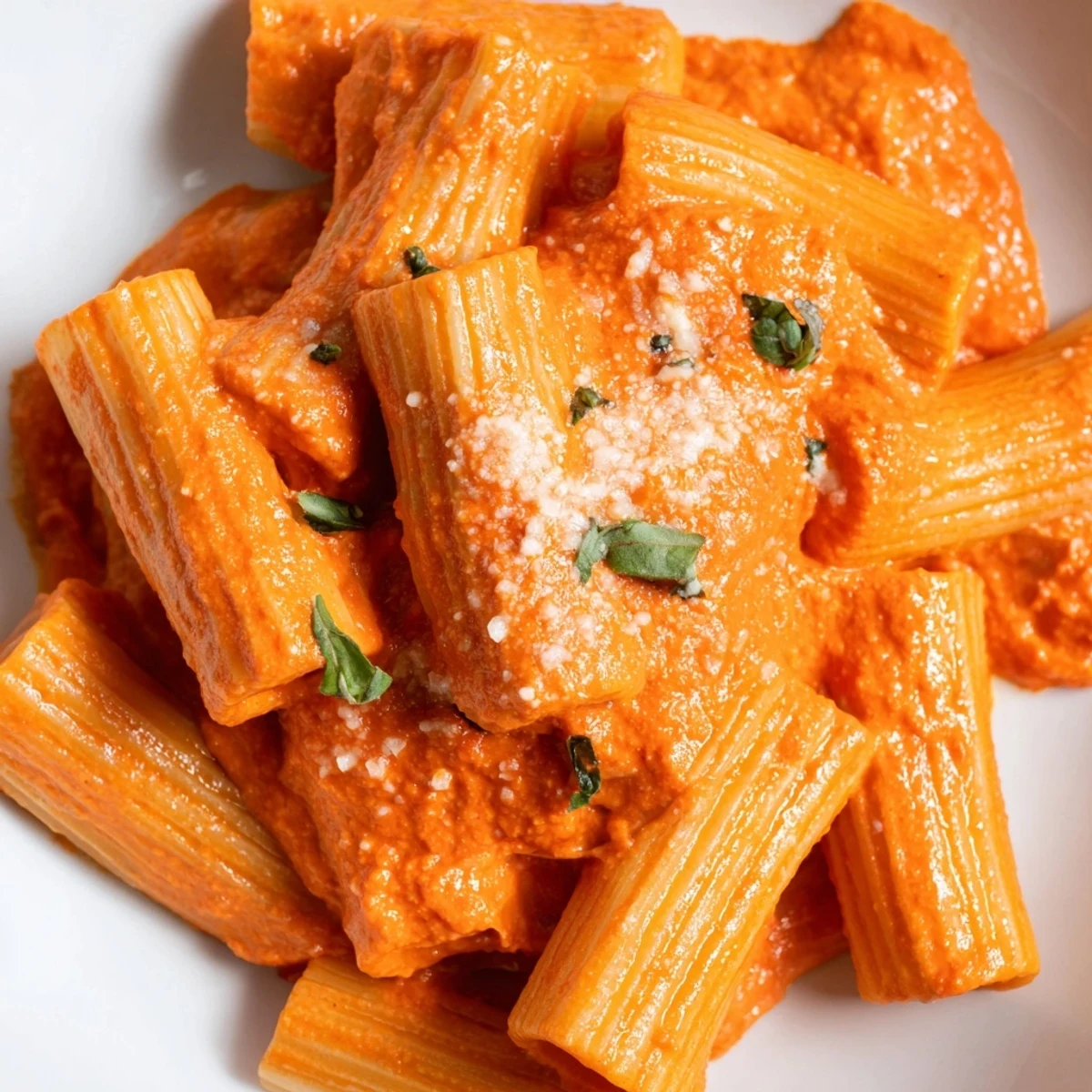
The sauce clings perfectly to penne, rigatoni, or spaghetti, coating each strand in roasted pepper goodness. Garnish generously with fresh basil or parsley and extra Parmesan for a satisfying, comforting bowl.
The first time I made this sauce, I stood there watching the blender turn those jarred peppers into something that looked like it came from a restaurant kitchen. My roommate walked in, stopped dead in her tracks, and asked what smelled so incredible. That's the magic of roasted red peppers—they transform into something luxurious with almost zero effort.
Last winter, when my grocery budget was tight and I was tired of the same old tomato sauce, this recipe saved countless weeknight dinners. My friend Sarah came over for a quick catch-up dinner, and she literally asked for the recipe before she'd even finished her first bite. Now it's our go-to when we need something that feels fancy but requires absolutely zero stress.
Ingredients
- 350 g (12 oz) dried pasta: Penne or rigatoni catch the sauce best, but spaghetti works in a pinch—just choose something with texture
- 1 (340 g/12 oz) jar roasted red peppers, drained: The star of the show, so buy the good ones packed in water, not vinegar
- 2 tbsp olive oil: This builds your flavor foundation, so use something you'd drizzle on a salad
- 4 cloves garlic, minced: Fresh garlic is non-negotiable here—jarred stuff won't give you that aromatic punch
- 1 small yellow onion, chopped: Adds sweetness and depth that balances the peppers' natural sugar
- 1/2 tsp crushed red pepper flakes: Optional, but I highly recommend it for that gentle warmth that lingers
- 100 ml (1/2 cup) vegetable broth or pasta cooking water: This thins the sauce while adding another layer of flavor
- 50 g (1/4 cup) cream cheese or mascarpone: The secret to that restaurant-style creaminess without any heavy cream
- 25 g (1/4 cup) grated Parmesan cheese: For umami and salt—use nutritional yeast if you're keeping it plant-based
- Fresh basil or parsley: Don't skip this, because fresh herbs cut through the richness and brighten everything
Instructions
- Get your pasta water going first:
- Bring a large pot of salted water to a boil and cook your pasta until it's just shy of al dente—it'll finish in the sauce later. That starchy pasta water is liquid gold, so reserve a full cup before you drain.
- Build your aromatic base:
- Heat the olive oil in a large skillet over medium heat and sauté the onion until it turns translucent and soft, about 4 minutes. Toss in the garlic and red pepper flakes if you're using them, and let them cook for just 60 seconds—you want them fragrant, not burned.
- Add the peppers:
- Stir in the drained roasted red peppers and let them hang out in the pan for 2-3 minutes. This step concentrates their flavor and helps them meld with the onions and garlic.
- Make the magic sauce:
- Transfer everything to a blender (or use an immersion blender right in the skillet) and add the vegetable broth, cream cheese, and Parmesan. Blend until it's completely smooth and silky, with no chunks remaining.
- Perfect the consistency:
- Pour the sauce back into the skillet over low heat and taste it—add salt and pepper until it sings. If it's too thick, whisk in some of that reserved pasta water a splash at a time until it coats a spoon.
- Bring it all together:
- Add your drained pasta to the skillet and toss everything together for 1-2 minutes over low heat. Let the pasta drink up some of that sauce until every piece is coated and glossy.
- Finish like a pro:
- Serve it immediately in shallow bowls, topped with fresh herbs and an extra dusting of Parmesan if you're feeling indulgent.
 Save to Pinterest
 This dish has become my answer to every What should I make when I'm exhausted but still want something actually good moment. Last month, my brother was visiting and we made it together, standing in the kitchen talking while the sauce bubbled away. He texted me the next day saying he'd already made it twice—that's how simple and satisfying it is.
Making It Your Own
I've learned that the best recipes are the ones you can customize based on what's in your pantry or what you're craving. Sometimes I add sun-dried tomatoes for extra depth, or toss in a handful of spinach at the end to wilt into the sauce. The beauty here is that the base is so forgiving, you can play around without worrying about ruining it.
Scaling For Company
When I'm feeding a crowd, I double everything except the pasta—there's always plenty of sauce to go around, and leftover sauce refrigerates beautifully for up to five days. Just reheat it gently with a splash of water or broth to bring back that silky consistency. I've served this at dinner parties alongside garlic bread and a simple green salad, and people always assume I spent way more time on it than I actually did.
What To Serve With It
This pasta is rich enough to stand alone as a complete meal, but I love rounding it out with something crisp and fresh to cut through the creaminess. A simple arugula salad with lemon vinaigrette is my go-to, or roasted asparagus when it's in season.
- Crusty garlic bread is practically mandatory for sopping up every last drop of sauce
- A crisp white wine like Pinot Grigio or Sauvignon Blanc balances the richness perfectly
- If you want to add protein, chickpeas or white beans blend right into the sauce
 Save to Pinterest
 There's something deeply satisfying about turning a few humble pantry ingredients into something that feels this special. I hope this recipe finds its way into your regular rotation, just like it has in mine.
Recipe FAQs
- → Can I use fresh red peppers instead of jarred roasted ones?
-
Yes, you can roast fresh red peppers yourself. Broil or grill whole peppers until charred on all sides, then place in a bowl covered with plastic for 10 minutes. Remove the skins, seeds, and stems before using in the sauce.
- → What makes the sauce creamy without heavy cream?
-
The combination of roasted red peppers and cream cheese or mascarpone creates a naturally velvety texture. Blending the peppers breaks down their fibers, while the soft cheese adds richness without needing heavy cream.
- → How can I add more protein to this dish?
-
Consider adding canned chickpeas, white beans, or sautéed tofu cubes. Grilled chicken strips or shrimp also work well if you're not vegetarian. Simply stir them in during step 6 to heat through.
- → Can I make this ahead of time?
-
The sauce keeps beautifully in the refrigerator for up to 4 days. Store it separately from the pasta and reheat gently with a splash of pasta water or broth. When ready to serve, toss with freshly cooked pasta for best results.
- → What can I substitute for cream cheese?
-
Mascarpone, ricotta, or Greek yogurt all work well. For a dairy-free option, try soaked cashews blended with the sauce or plant-based cream cheese alternatives. Each adds slightly different richness and tang.
- → How do I adjust the spice level?
-
Start with 1/4 teaspoon of red pepper flakes if you prefer mild heat, or increase up to 1 teaspoon for more spice. You can also add a pinch of cayenne or serve with hot sauce on the side for individual customization.