 Save to Pinterest
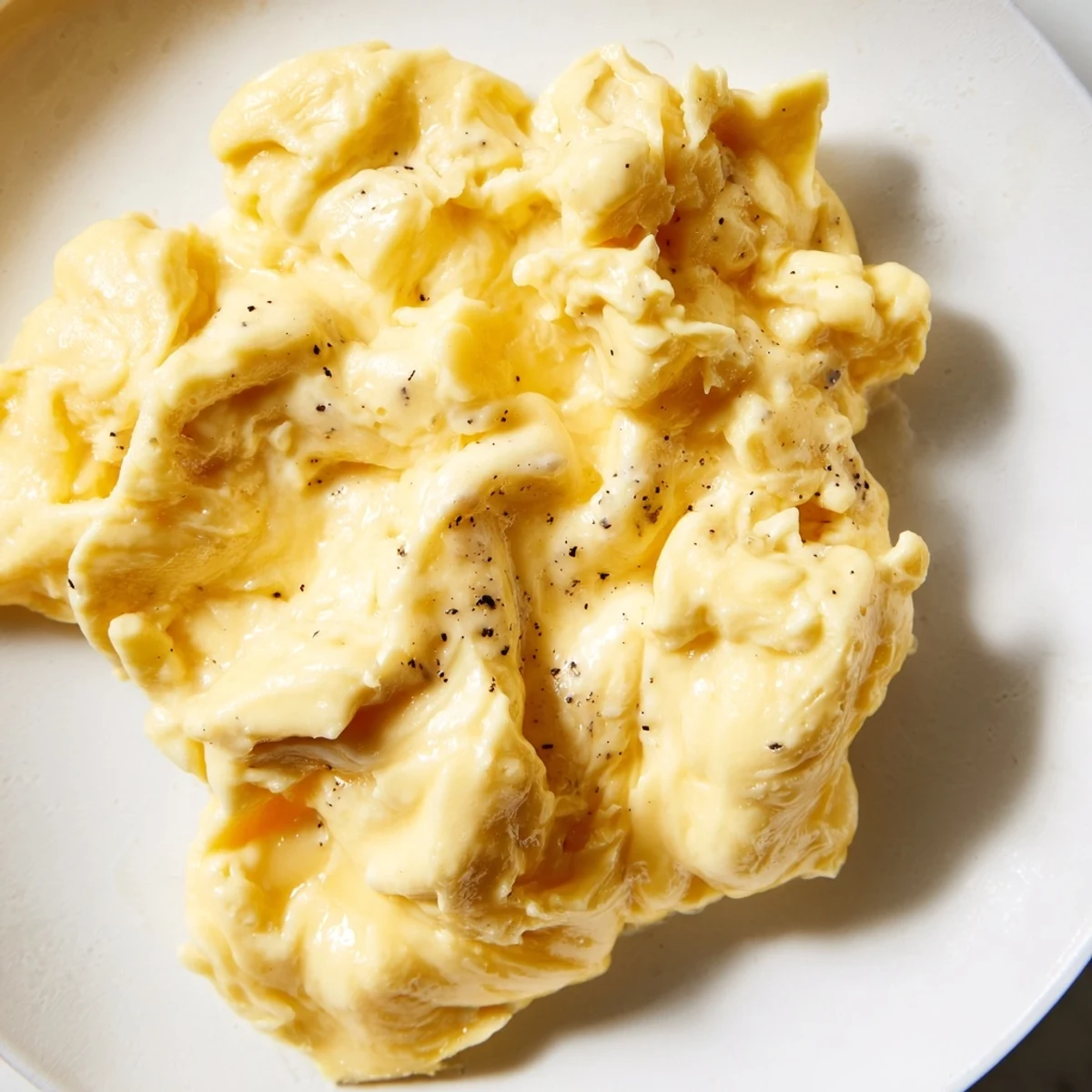
 Transform basic eggs into a luxurious breakfast with proper technique. The key lies in low heat, constant gentle movement, and removing from heat while still moist. Whisking with a splash of cream creates that signature fluffy texture, while cooking slowly ensures creamy curds rather than dry rubbery results. Perfect for busy mornings, this method consistently delivers velvety eggs that rival any diner or brunch spot.
My college roommate taught me how to make scrambled eggs during finals week when we were both too broke to order takeout. She insisted the secret was patience and low heat, and honestly, those 3 AM breakfasts got me through more nights than I care to admit.
Last Sunday I made these for my niece who claimed she hated eggs. She took one bite and asked if I could make them every single weekend. Sometimes the simplest recipes are the ones that win people over.
Ingredients
- 4 large eggs: Room temperature eggs whisk up lighter and cook more evenly than cold ones straight from the fridge
- 2 tbsp whole milk or cream: Cream makes them incredibly decadent but milk works perfectly for everyday breakfast
- 1 tbsp unsalted butter: Unsalted lets you control the seasoning exactly to your taste
- 1/4 tsp salt: Sprinkle this during cooking, not before, to prevent the eggs from becoming watery
- 1/8 tsp freshly ground black pepper: Freshly ground makes a noticeable difference in aroma and flavor depth
Instructions
- Whisk the base:
- Crack eggs into a bowl and add milk or cream along with salt and pepper, whisking until the mixture turns uniformly yellow and develops a slight froth on top.
- Warm the pan:
- Melt butter in a nonstick skillet over medium-low heat, watching for tiny bubbles to form around the edges before adding the eggs.
- Let them set briefly:
- Pour in the egg mixture and wait about ten seconds until you see the edges just starting to turn opaque and firm up slightly.
- Cook to perfection:
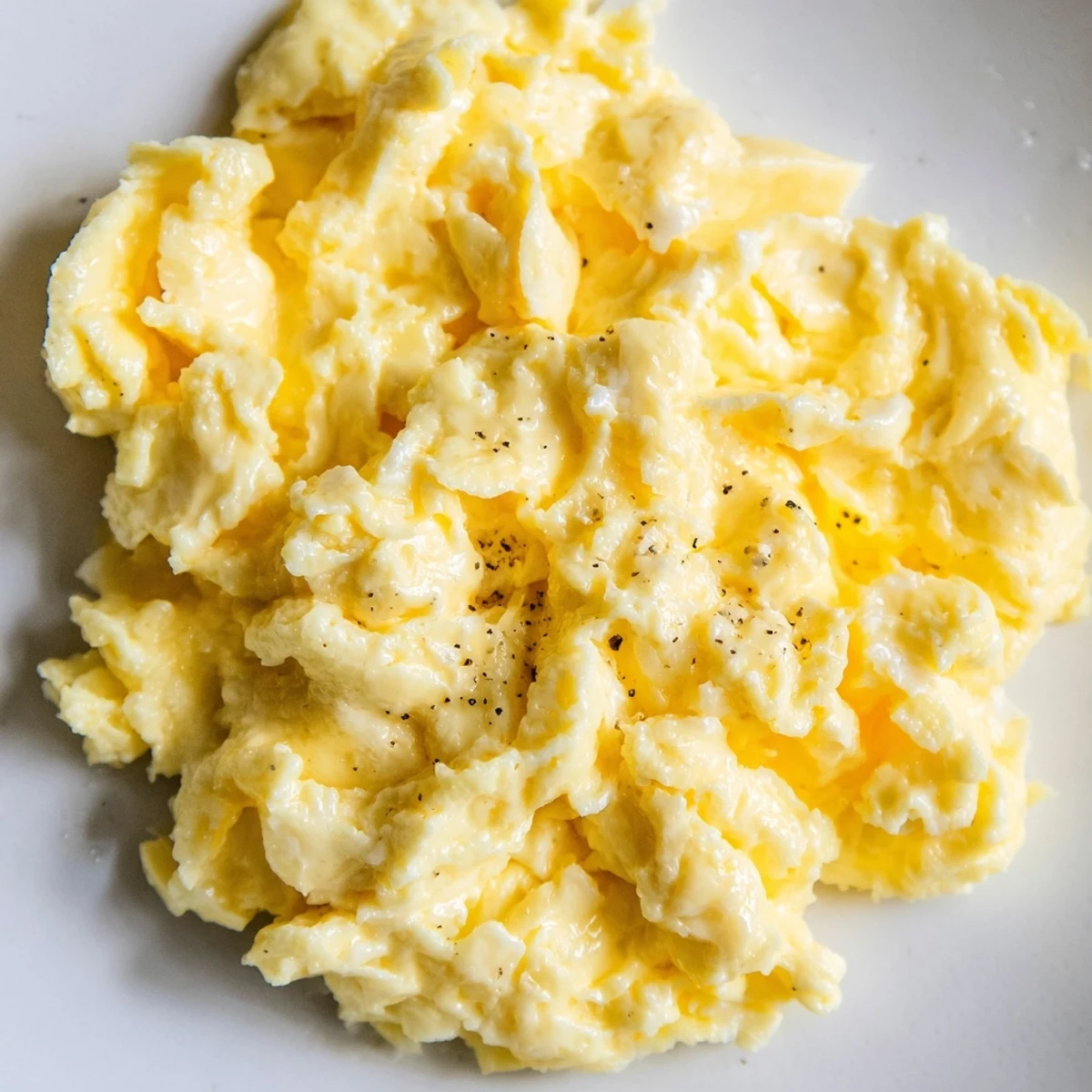
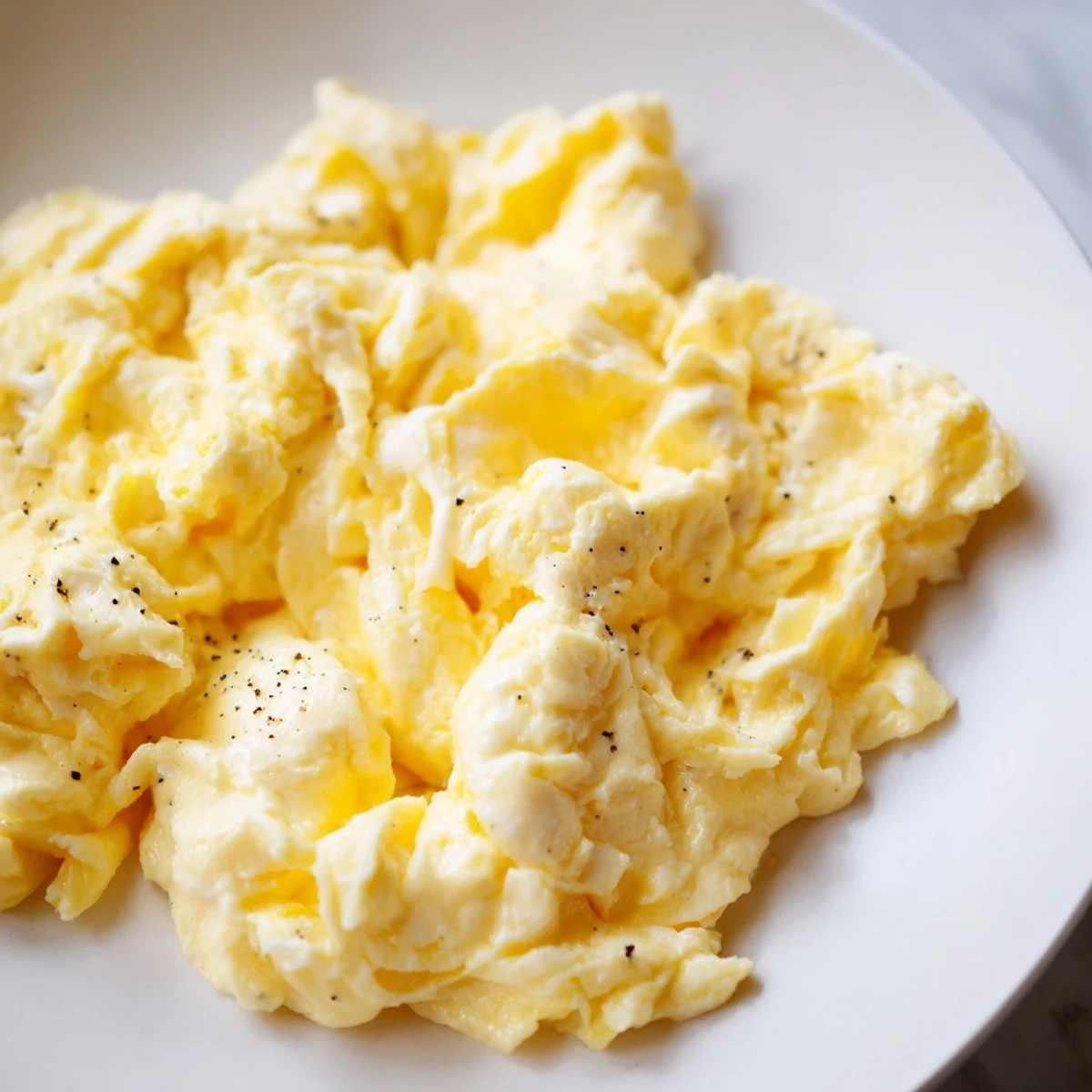
- Continue gently folding and pushing the eggs until theyre just set but still look slightly moist and glossy, then immediately remove from heat.
 Save to Pinterest
 These eggs remind me of slow Sunday mornings at my grandmothers house, where breakfast was never rushed and everything tasted better simply because we had time to sit together.
Choosing Your Dairy
Ive experimented with every milk alternative out there, and honestly, heavy cream creates the most luxurious texture while whole milk keeps it lighter. The fat content is what carries the flavor and gives that silky mouthfeel that makes restaurant eggs so memorable.
Temperature Control Secrets
Medium-low heat might feel frustratingly slow, but its absolutely essential for fluffy curds. High heat creates rubbery, dry eggs every single time, and once youve experienced the difference, youll never rush this step again.
Customization Ideas
The basic recipe is perfect on its own, but these variations have become staples in my kitchen depending on my mood or whats in the fridge.
- Fold in chopped fresh chives or parsley right before serving for a bright pop of color
- Add shredded gruyere or cheddar during the last thirty seconds of cooking for melty goodness
- Sauté diced mushrooms or spinach in the butter before adding the eggs for extra substance
 Save to Pinterest
 Perfect scrambled eggs are more about patience than technique, and once you master them, youll find yourself making them for everyone you care about.
Recipe FAQs
- → Why add milk or cream to scrambled eggs?
-
Dairy creates a richer, creamier texture and adds fat for luxurious mouthfeel. The liquid also helps prevent overcooking by keeping proteins tender.
- → What's the ideal temperature for cooking scrambled eggs?
-
Medium-low heat is perfect. High heat causes eggs to seize and become rubbery, while gentle heat allows for gradual curd formation and creamy texture.
- → How do I know when scrambled eggs are done?
-
Remove from heat when eggs look slightly undercooked and glisten with moisture. Carryover cooking finishes them perfectly. Overcooked eggs appear dry and matte.
- → Can I make scrambled eggs ahead of time?
-
Scrambled eggs are best served immediately. However, you can refrigerate cooked eggs for up to 2 days and reheat gently with a splash of cream.
- → What seasoning additions work well?
-
Fresh herbs like chives, parsley, or dill add brightness. Grated cheese melts beautifully, while hot sauce or paprika provides depth. Add seasonings after cooking.