
 Save to Pinterest
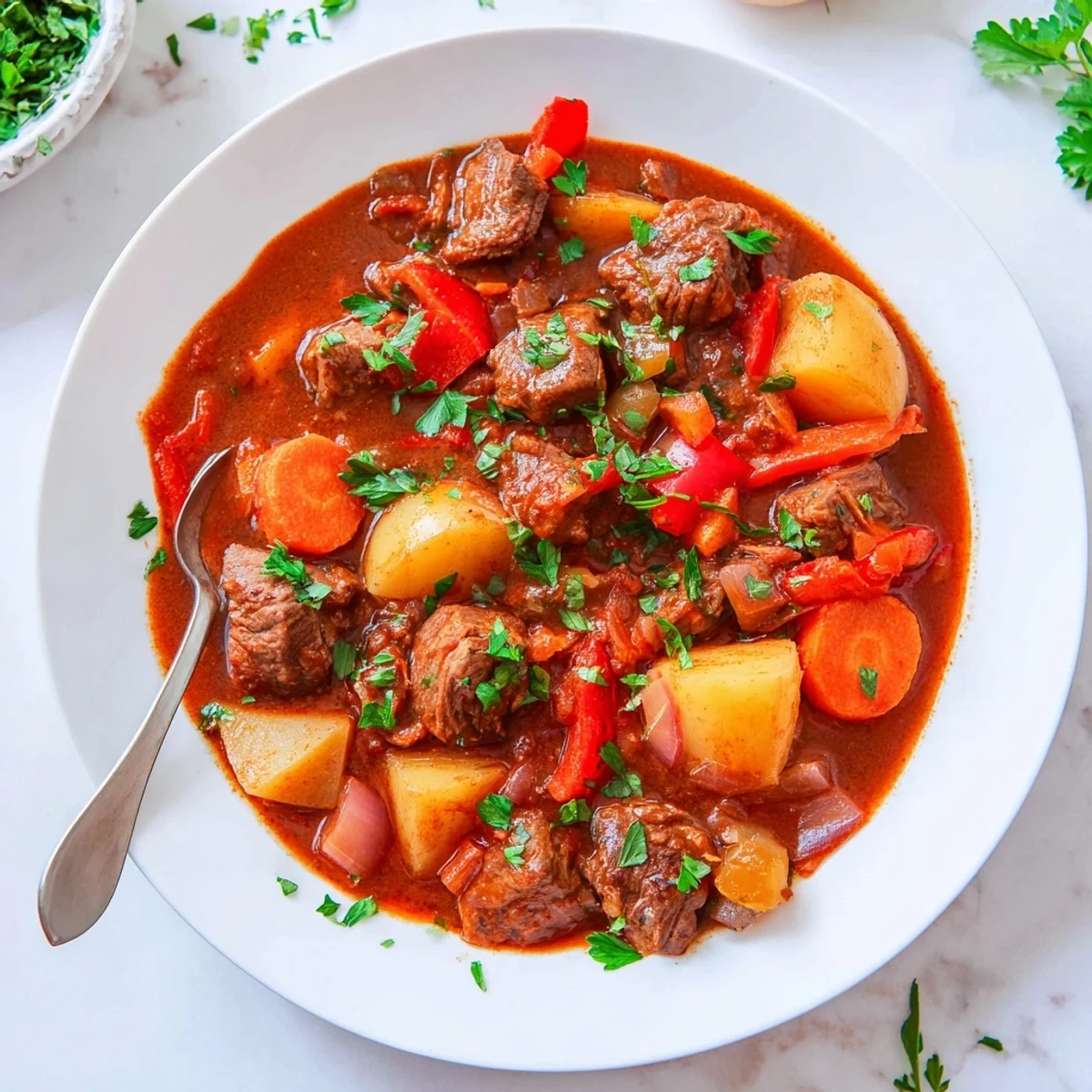
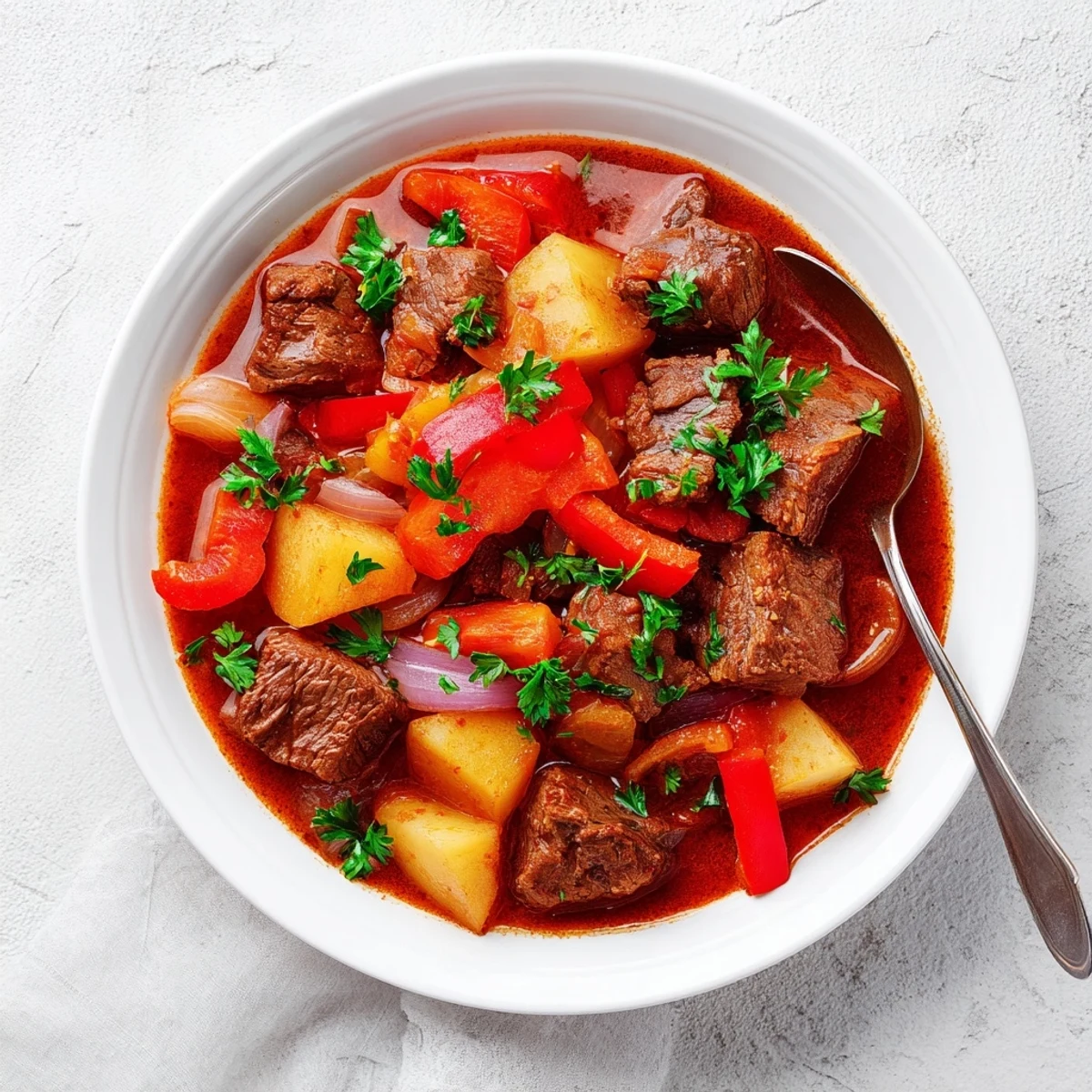
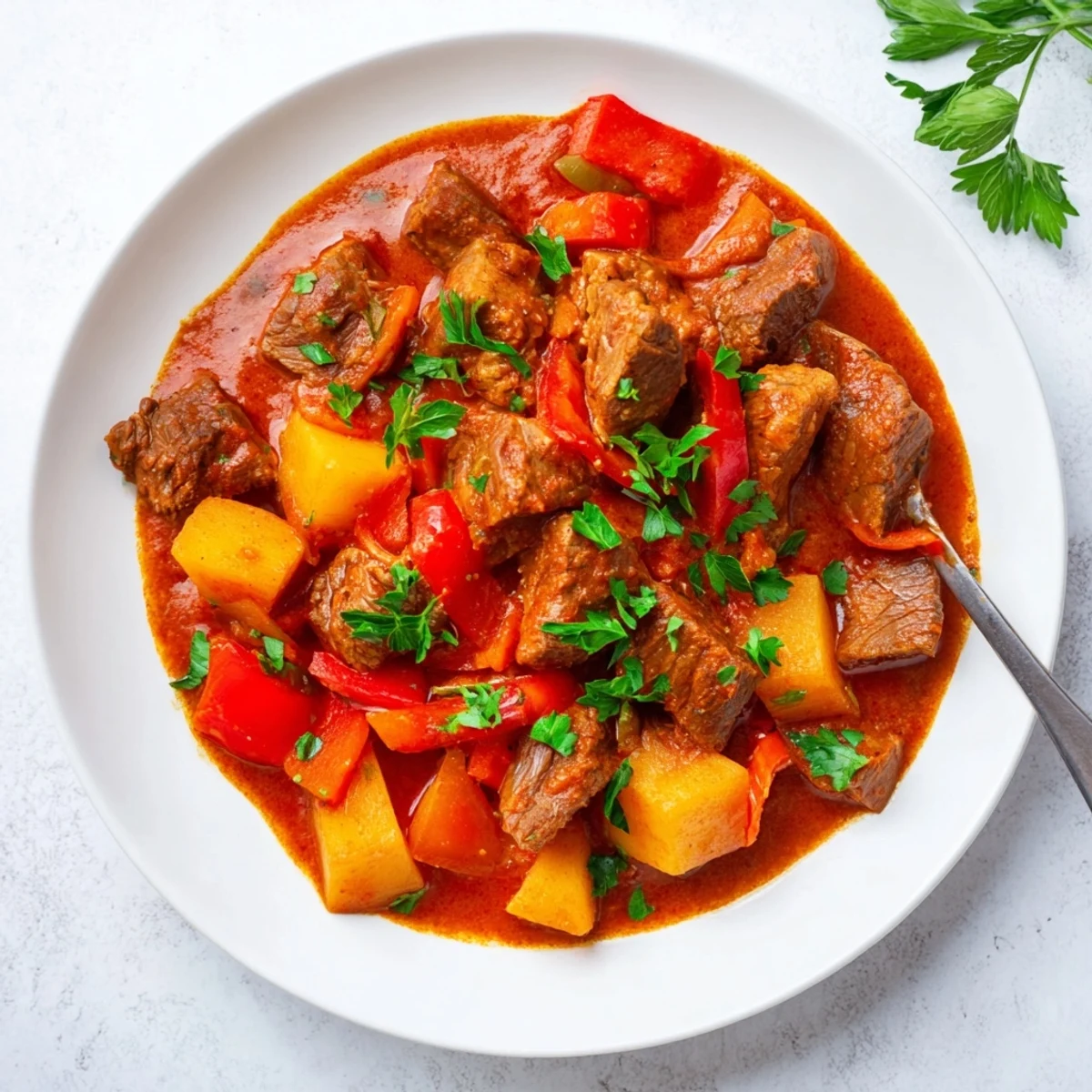
 This classic Hungarian dish features tender beef chuck cubes slow-cooked with onions, carrots, bell peppers, and potatoes in a deeply flavorful paprika broth. The combination of sweet Hungarian paprika, caraway seeds, and marjoram creates an aromatic sauce that thickens beautifully as it simmers. After 6-8 hours, the beef becomes meltingly tender while absorbing all the rich spices. Perfect served over egg noodles, with crusty bread, or alongside dumplings for a complete comforting meal.
The first time my grandmother made goulash during a brutal January freeze, I watched her dump what seemed like half a paprika jar into the pot. I thought she'd lost her mind, but that deep red sauce taught me everything I know about comfort food that wraps around you like a heavy blanket.
I made this for my brother when he was recovering from surgery last winter. He took three bites, looked up with red cheeks from the heat, and asked if I could move in permanently just so he'd have access to that pot whenever he wanted.
Ingredients
- 2 lbs beef chuck: Chuck roast becomes meltingly tender after hours of slow cooking, and those fat pockets keep everything lush and rich
- 2 large onions: They dissolve into the sauce, providing that essential sweet backbone that balances all that paprika
- 3 cloves garlic: Minced fresh because garlic powder just can't deliver the same punch in a long simmer
- 2 large carrots: They add natural sweetness and hold their shape beautifully through hours of cooking
- 2 red bell peppers: These become silky and sweet, almost melting into the sauce while adding gorgeous color
- 3 medium potatoes: Yukon Gold or russet work best here, absorbing all those spiced juices while keeping their structure
- 1 can diced tomatoes: Don't drain them, that liquid becomes part of your incredible broth
- 3 tbsp sweet Hungarian paprika: This isn't optional, it's the soul of the dish, so buy the good stuff
- 1 tsp smoked paprika: Adds that subtle campfire depth that makes people ask what your secret ingredient is
- 1 tsp caraway seeds: That faint anise flavor is traditional and somehow makes everything taste more authentic
- 1 tsp dried marjoram: An herb often overlooked but it brings this floral, piney brightness that cuts through the richness
- 2 tsp salt: Paprika needs salt to wake up, so don't be shy with seasoning
- ½ tsp black pepper: Freshly cracked makes all the difference here
- 2 bay leaves: They work quietly in the background adding that subtle depth you can't quite put your finger on
- 4 cups beef broth: Use a good quality one, preferably low sodium so you can control the salt level
- 2 tbsp tomato paste: Concentrates the tomato flavor and gives the sauce that gorgeous deep red color
- 2 tbsp flour: Whisk this into a slurry at the end if you like your goulash on the thicker side
- 2 tbsp fresh parsley: Brightens everything up and makes it look like you tried harder than you actually did
Instructions
- Sear your beef properly:
- Get that skillet ripping hot and brown the beef in batches, giving each piece a nice crust on all sides before transferring to your slow cooker
- Add all your vegetables:
- Toss in the onions, garlic, carrots, bell peppers, potatoes, and those undrained diced tomatoes right on top of the beef
- Build the flavor base:
- Sprinkle both paprikas, caraway seeds, marjoram, salt, pepper, and bay leaves over everything like you're seasoning a perfect story
- Create the sauce:
- Pour in the beef broth and stir in the tomato paste, making sure to scrape up any browned bits from the bottom so nothing goes to waste
- Let the slow cooker work its magic:
- Cover and walk away for 6 to 8 hours on low or 4 hours on high until the beef surrenders completely to the fork
- Thicken if you want:
- Whisk the flour with a splash of cold water until smooth, then stir it in during the last 30 minutes for that classic stew consistency
- Finish with love:
- Fish out those bay leaves, taste everything, adjust the salt if needed, and shower with fresh parsley before serving
 Save to Pinterest
 This recipe has become my go-to for Sunday dinners now. There's something about lifting that lid after six hours and seeing that deep red sauce bubbling away that makes me feel like I've actually accomplished something meaningful with my day.
Making It Your Own
I've played around with this base recipe more times than I can count. Sometimes I throw in a parsnip or two for extra earthiness, and other times I'll add a splash of red wine if I'm feeling fancy. The beauty of goulash is how forgiving it is while still remaining distinctly itself no matter what small tweaks you make along the way.
Serving Suggestions
Traditional Hungarian goulash is served with little dumplings called nokedli, but honestly, crusty bread is my vehicle of choice for soaking up every last drop of that incredible sauce. Egg noodles work beautifully too, and I've even served it over mashed potatoes during particularly brutal winter storms when maximum comfort was the only acceptable outcome.
Storage and Make Ahead Tips
This is one of those rare dishes that actually tastes better the next day when all those flavors have had even more time to become friends. It freezes beautifully for up to three months, which is why I always double the batch whenever I make it.
- Let it cool completely before freezing to avoid ice crystals
- Reheat gently with a splash of broth if it's too thick
- The potatoes will soften upon reheating, which some people actually prefer
 Save to Pinterest
 There's something deeply satisfying about a recipe that asks so little of you but gives back so much warmth in return.
Recipe FAQs
- → What cut of beef works best?
-
Beef chuck is ideal because its marbling keeps it tender during long cooking. You can also use pork shoulder or beef round for good results.
- → Can I make this on the stovetop?
-
Yes. Simmer covered on low heat for 2-3 hours, adding more broth as needed. The beef will become tender with occasional stirring.
- → Is Hungarian paprika necessary?
-
Sweet Hungarian paprika provides the signature flavor. Regular paprika works but lacks the same depth and sweetness.
- → How do I store leftovers?
-
Refrigerate in an airtight container for up to 4 days or freeze for 3 months. The flavors deepen overnight.
- → What should I serve with goulash?
-
Traditional sides include egg noodles, crusty bread, dumplings, or mashed potatoes. A simple green salad balances the richness.
- → Can I add other vegetables?
-
Yes. Parsnips, celery, or turnips work well. Add heartier vegetables with the potatoes and softer ones during the last hour.