
 Save to Pinterest
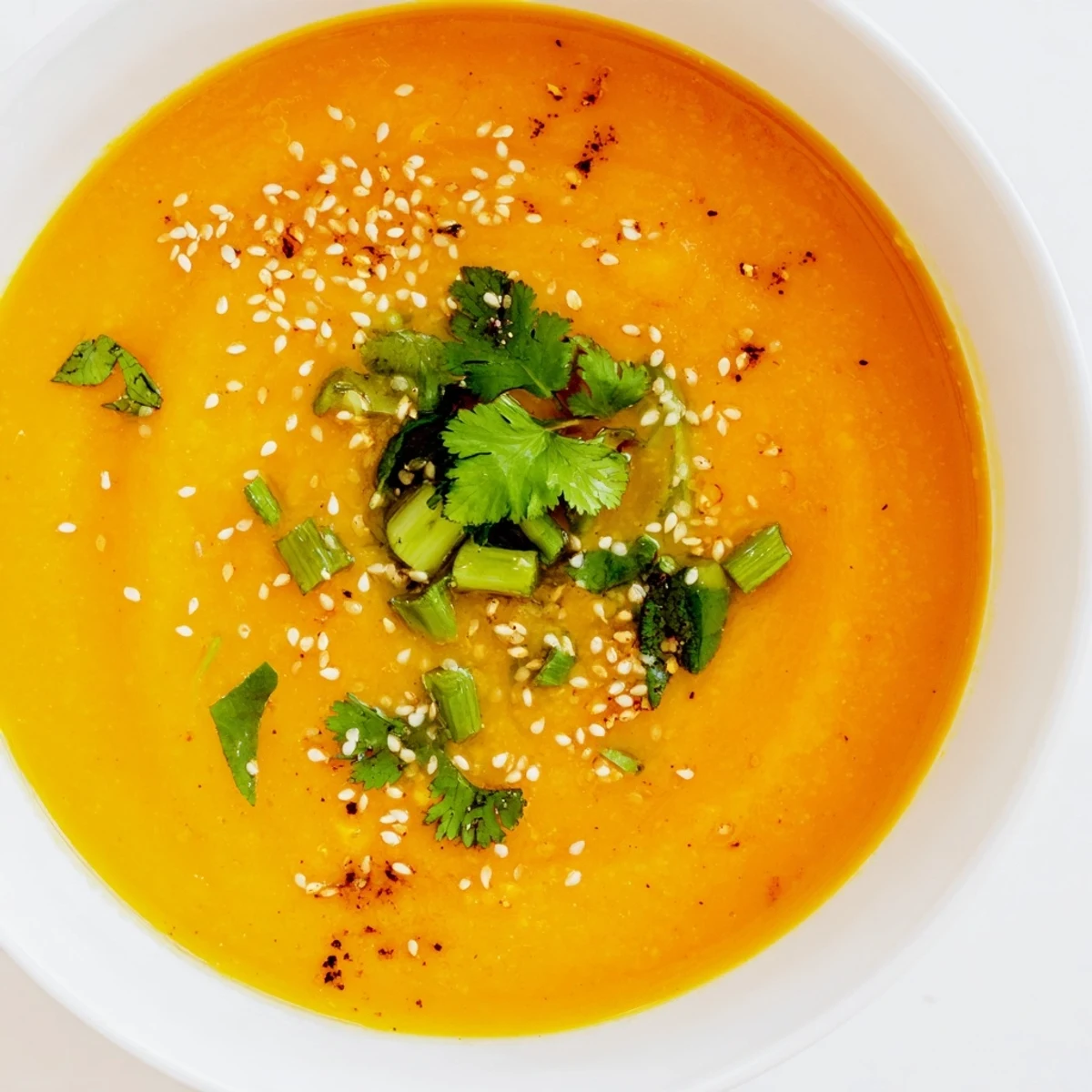
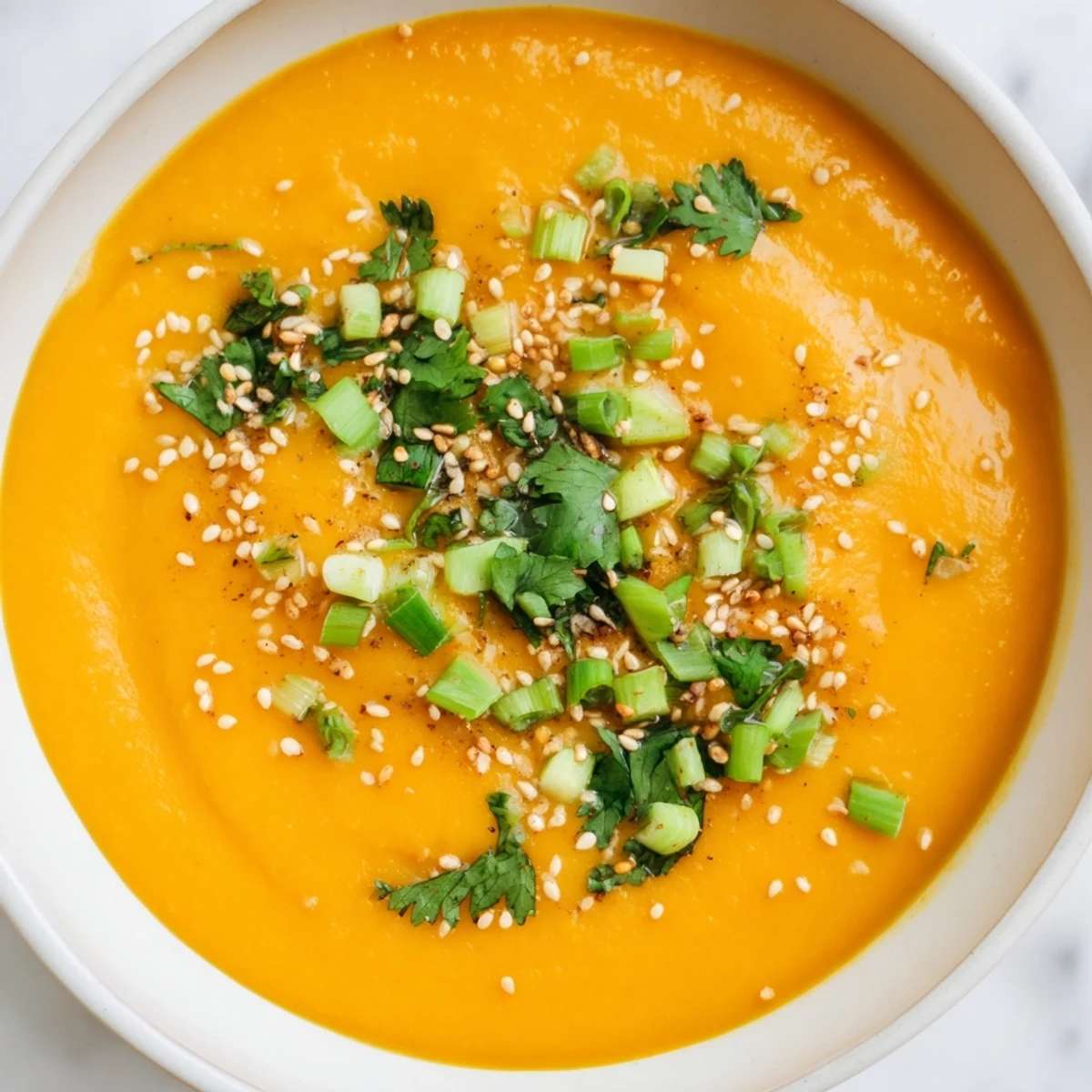
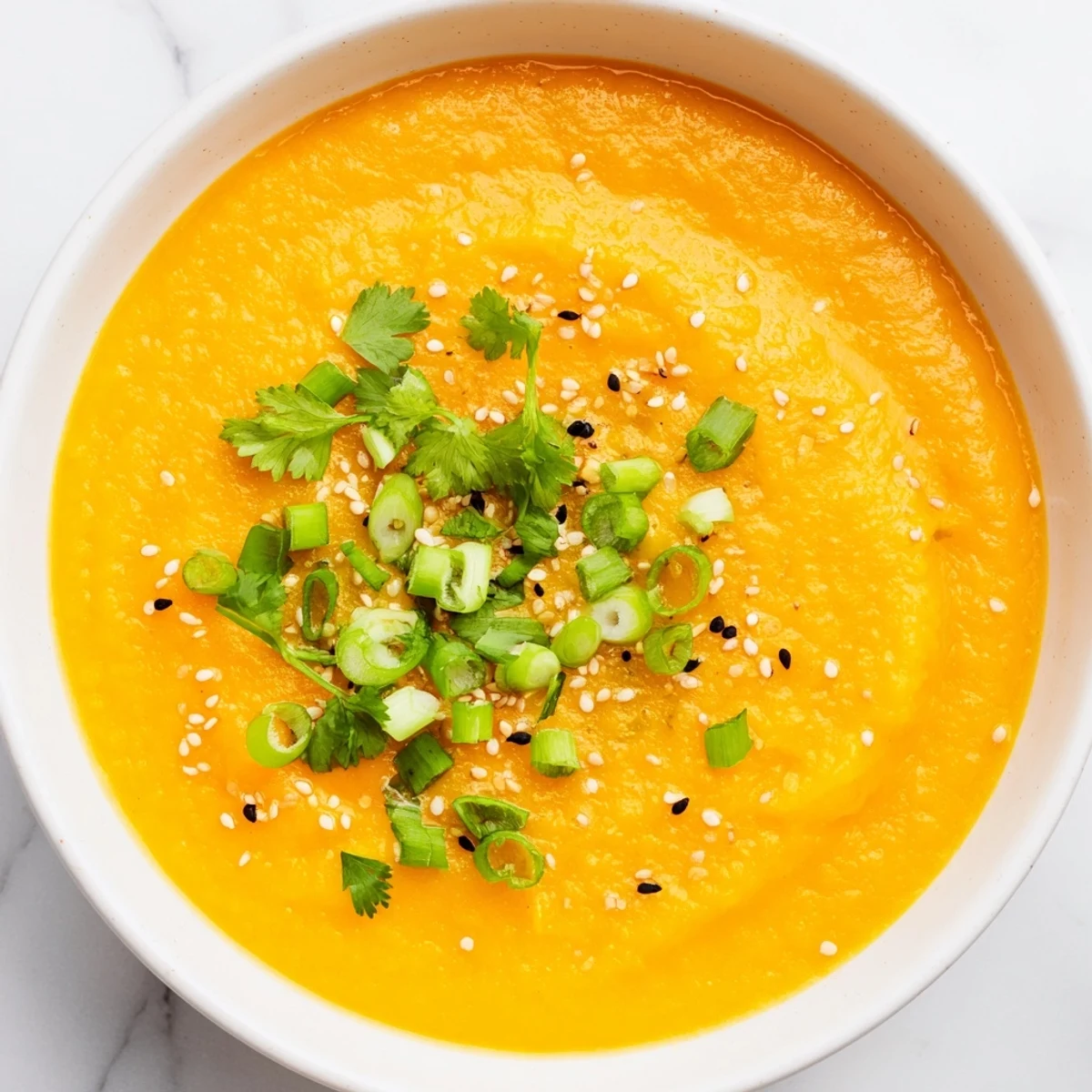
 This vibrant miso carrot blend offers a warming, nourishing experience combining sweet carrots with savory miso and a touch of spice. With olive oil, garlic, ginger, and a splash of lime, the soup is both bright and comforting. Smoothly blended and gently warmed after mixing miso ensures rich flavor without bitterness. Garnishes like fresh coriander and toasted sesame add fresh aroma and texture. Ideal for a quick, easy, and wholesome meal focused on depth of flavor.
The first time I made this soup, it was actually accidental. I'd intended to make a regular carrot soup but grabbed miso instead of broth concentrate, and the result was so startlingly good that I never went back. Something about how the fermented miso depth plays against the sweet carrots creates this whole new flavor category that regular vegetable soups just can't reach.
Last winter, my friend who swears she hates carrot soup tried this and went back for thirds. She kept asking what the secret ingredient was, and when I finally told her it was miso, she looked genuinely confused. Now she texts me every time she makes it, which is often, because it's become her go-to for those nights when you need something that feels like a hug but don't want to spend hours cooking.
Ingredients
- 1 tbsp olive oil: Creates the foundation for sautéing your aromatics
- 1 medium onion, chopped: Builds the savory base that everything else layers onto
- 3 garlic cloves, minced: Fresh is non negotiable here, jarred garlic won't give you the same punch
- 1 tbsp fresh ginger, grated: Peel it first for the cleanest flavor, no need to be overly precise with grating
- 700 g carrots, peeled and sliced: Thinner slices cook faster and blend more smoothly
- 1 medium potato, peeled and diced: This is optional but I almost always include it for that velvety texture
- 1.2 liters vegetable broth: Use a good quality one you'd drink on its own
- 2 tbsp white or yellow miso paste: White miso is milder, yellow gives more depth, either works beautifully
- 1 tbsp soy sauce: Tamari keeps it gluten free without sacrificing flavor
- 1 to 2 tsp sriracha or chili garlic sauce: Start with 1 tsp, you can always add more but you can't take it back
- Juice of ½ lime: Fresh is absolutely worth it here, bottled lime juice tastes noticeably different
- Fresh coriander, sliced spring onions, toasted sesame seeds: These aren't just garnish, they're essential for that finished restaurant feel
Instructions
- Sauté the aromatics:
- Heat olive oil in a large pot over medium heat, add onion and cook 3 minutes until it starts turning translucent
- Add the fragrant layer:
- Stir in garlic and ginger, cook just 1 minute until you can really smell them, any longer and they might turn bitter
- Build the vegetable base:
- Add sliced carrots and diced potato, sauté 5 minutes while stirring occasionally to develop some color
- Simmer to tenderness:
- Pour in vegetable broth, bring to a boil, then reduce heat and simmer covered 20 to 25 minutes until carrots are completely tender
- Blend until silky:
- Remove from heat and let cool slightly, then blend with an immersion blender until completely smooth with no chunks remaining
- Temper the miso:
- Whisk miso paste with a ladle of hot soup in a small bowl until dissolved, this prevents clumping
- Finish with flavor:
- Stir the miso mixture back into the pot along with soy sauce and sriracha, warm gently on low heat without boiling
- Brighten with lime:
- Stir in fresh lime juice, taste and adjust seasoning or spice as needed
- Generously garnish:
- Ladle into bowls and top with fresh coriander, spring onions, and toasted sesame seeds
 Save to Pinterest
 My roommate now requests this whenever she's had a rough day, something about the warmth and the gentle heat just works. We've started keeping all the ingredients on hand as a default, because it's become that thing we make when we don't know what to make but know we need something good.
Making It Your Own
Once you've made this a few times, you'll start seeing opportunities to tweak it. Sometimes I add a can of coconut milk with the miso for extra richness, especially when serving it as a main course rather than a starter. The way coconut cream mellows the spice while adding its own subtle sweetness is honestly transformative.
Texture Secrets
The potato isn't just filler, it's what gives this soup that velvety, restaurant quality mouthfeel without any cream. If you want to make it even more luxurious without dairy, try adding half an avocado before blending, it sounds unusual but creates the most incredibly smooth texture while staying completely vegan.
Pairing Ideas
This soup is substantial enough to stand alone but shines with the right accompaniments. A crusty sourdough bread for dunking is obvious but perfect, or serve over steamed jasmine rice for something more filling. I've also served it alongside simple pan fried dumplings for a dinner that feels intentional and complete.
- Miso paste keeps indefinitely in the refrigerator, making this a great pantry staple recipe
- The soup actually tastes better the next day as flavors continue to develop
- Freeze portions in individual containers for those nights when cooking feels impossible
 Save to Pinterest
 There's something deeply satisfying about turning humble carrots into something this special. Hope this becomes one of those recipes you return to again and again.
Recipe FAQs
- → What adds the spicy flavor to this dish?
-
Sriracha or chili garlic sauce is used to introduce a gentle, adjustable heat to balance the sweet carrots and savory miso base.
- → Can I make this soup gluten-free?
-
Yes, by opting for gluten-free miso paste and tamari soy sauce alternatives, the soup remains gluten-free.
- → What is the purpose of adding lime juice?
-
Lime juice brightens the flavors, providing a fresh acidic contrast that enhances the overall savory and spicy notes.
- → How is the texture of the dish achieved?
-
After simmering carrots and optional potato, the soup is blended until smooth to create a creamy, velvety texture without dairy.
- → Can I adjust the spice level easily?
-
Yes, adding more or less sriracha or chili garlic sauce allows control over the spice intensity according to personal preference.