
 Save to Pinterest
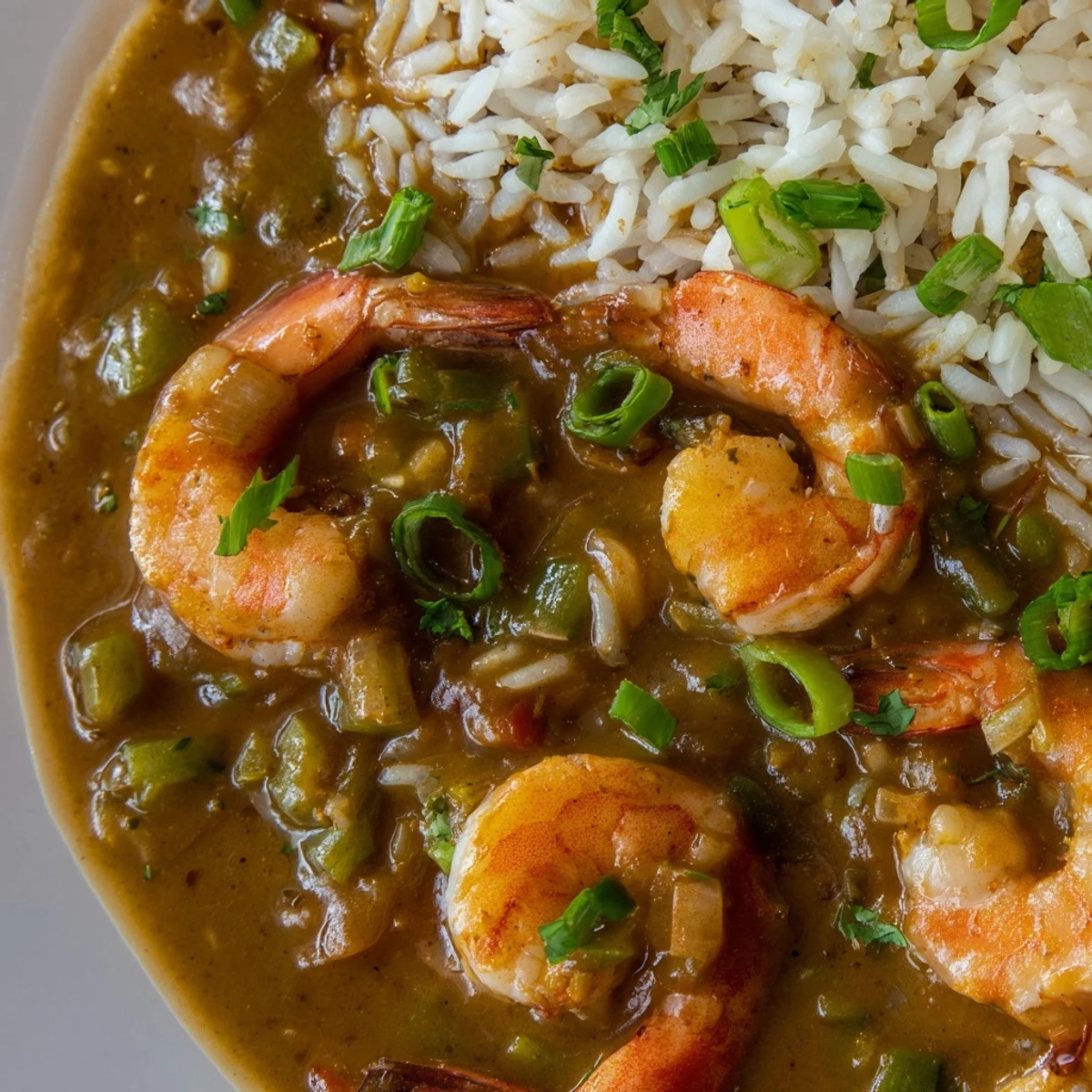
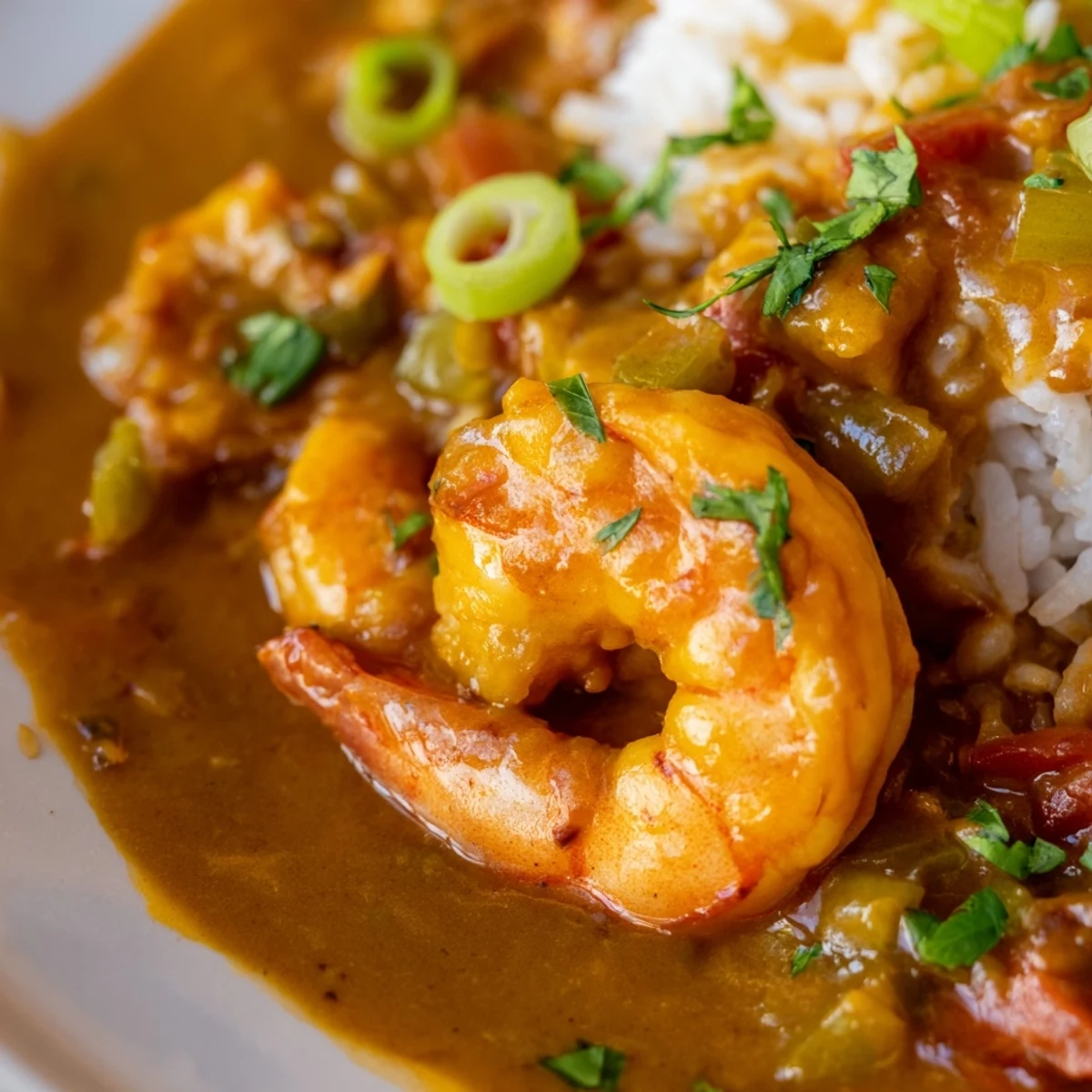
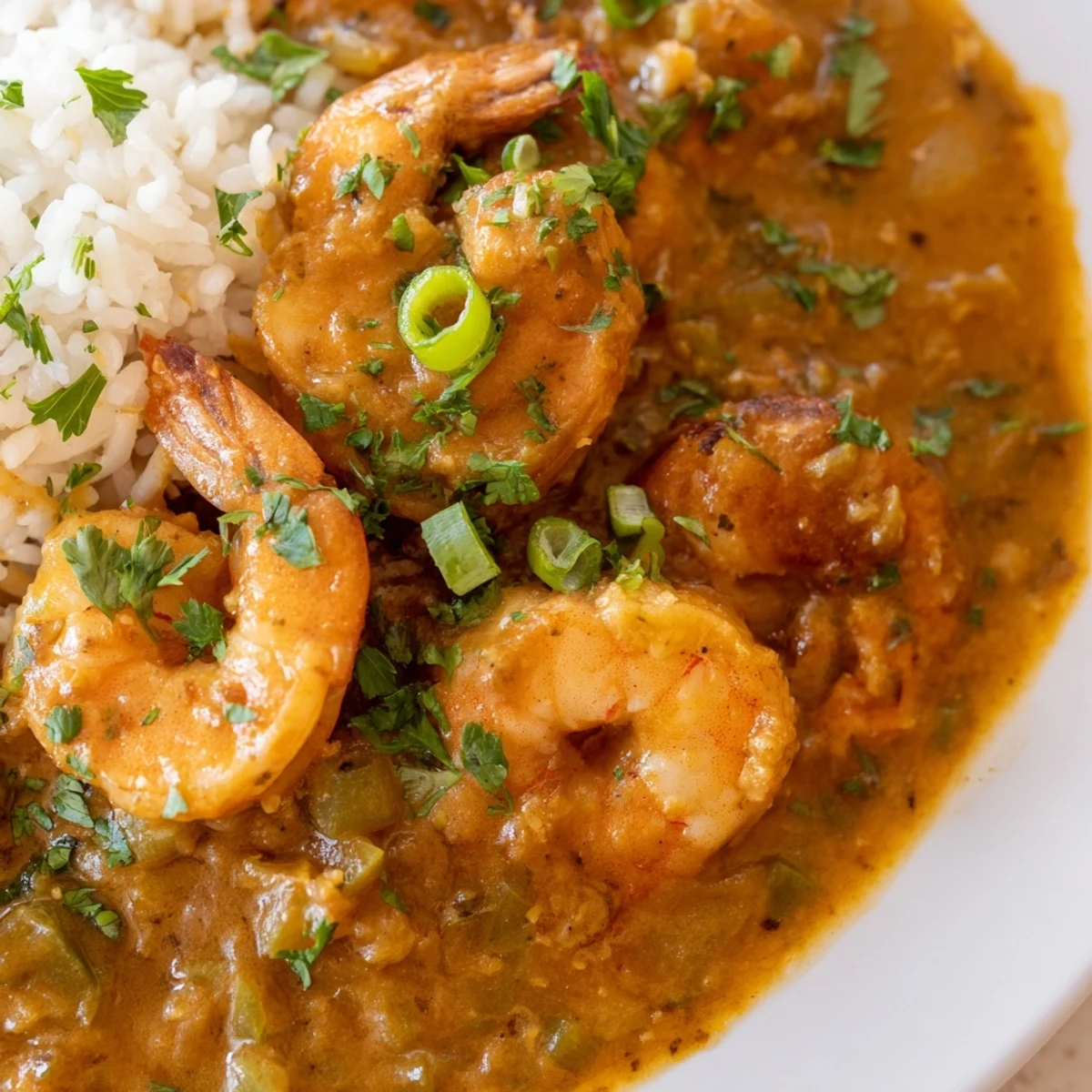
 Spicy Shrimp Étouffée is a beloved Louisiana Creole creation. This hearty dish features plump, seasoned shrimp gently simmered in a deeply flavored, golden-brown roux sauce. Aromatic vegetables like onion, bell pepper, and celery form the traditional 'holy trinity', infused with garlic, tomatoes, and a blend of spices including paprika and cayenne for a warm, spicy kick. The sauce is slowly thickened with stock, allowing the flavors to meld beautifully. It's traditionally served hot over fluffy steamed white rice, garnished with fresh green onions and parsley, offering a truly satisfying and authentic taste of the bayou. Preparation involves creating the roux, sautéing vegetables, building the sauce, and then briefly cooking the shrimp until just tender. This ensures a rich, comforting, and incredibly flavorful meal that embodies Creole culinary heritage.
The first time I really understood a roux was standing in a sweltering New Orleans kitchen, listening to a distant streetcar clatter as butter and flour magically transformed into this nutty, deeply aromatic brown wonder. That particular étouffée wasn't just a meal; it was a sensory explosion, a symphony of spice and rich seafood that sang of the Bayou. I remember the exact moment the heat hit my tongue, balanced by the sweet shrimp, and I knew I had to bring that magic home. It felt like uncovering a delicious, comforting secret.
One chilly evening last winter, a power flicker sent our neighborhood into a brief, atmospheric darkness. Instead of ordering takeout, I decided to lean into the cozy chaos and made this étouffée by the glow of a single lamp. The steam from the pot mingled with the scent of woodsmoke from our fireplace, and the warmth of the dish felt like a literal hug, turning an inconvenience into a cherished memory. My family still talks about that "darkness étouffée" and how comforting it was.
Ingredients
- Large raw shrimp: These are the stars, so don't skimp on quality; they really soak up the seasoning.
- Cajun seasoning: A good quality blend makes all the difference, bringing that authentic Louisiana kick without much effort.
- Unsalted butter: Essential for a rich roux; unsalted gives you control over the final seasoning.
- All-purpose flour: The other half of our roux, it's what gives the étouffée its signature silky body.
- Seafood or chicken stock: Using a good quality stock deepens the flavor profile immensely.
- Drained diced tomatoes: They add a touch of acidity and sweetness without making the sauce watery.
- Onion, green bell pepper, celery (the holy trinity): This aromatic base is non-negotiable for Creole cooking; it builds the foundation of flavor.
- Garlic: Everything is better with a little extra garlic, especially in a savory stew like this.
- Paprika: Adds a beautiful color and a mild, earthy spice.
- Cayenne pepper: This is where you get to customize your heat; start small and taste!
- Dried thyme: A classic herb for Creole dishes, adding a warm, aromatic note.
- Bay leaf: Adds a subtle, woody depth that mellows the other spices.
- Hot sauce: For those who like an extra little zing, a dash can really wake up the flavors.
- Green onions & fresh parsley: Not just pretty garnishes, they add a fresh, bright finish that cuts through the richness.
- Cooked white rice: The perfect canvas to soak up all that incredible sauce.
Instructions
- Season the Shrimp:
- First things first, get your beautiful shrimp ready. Toss them gently with a teaspoon of Cajun seasoning, making sure every plump piece gets coated, then set them aside to let those flavors mingle while you prepare the sauce.
- Build the Roux:
- In a sturdy, heavy-bottomed skillet or Dutch oven, melt that butter over a medium flame. Once it's shimmering, whisk in the flour continuously; watch it patiently as it transforms into a deep, nutty golden brown, which should take about five to seven minutes.
- Soften the Aromatics:
- Now, add your finely chopped onion, green bell pepper, and celery to the shimmering roux. Sauté these "holy trinity" vegetables for four to five minutes, stirring occasionally until they soften and become fragrant.
- Infuse with Garlic:
- Stir in your minced garlic and let it cook for just one minute more; you want it aromatic, not browned, to avoid any bitterness.
- Layer in the Spices and Tomatoes:
- Add the drained diced tomatoes, paprika, cayenne, dried thyme, bay leaf, and that optional dash of hot sauce. Give everything a good stir to combine the flavors.
- Simmer and Thicken:
- Gradually pour in the seafood or chicken stock, whisking constantly to keep things smooth and lump-free. Bring this rich mixture to a gentle simmer, then let it cook uncovered for ten to twelve minutes, stirring now and then, until the sauce visibly thickens to a lovely consistency.
- Introduce the Shrimp:
- Gently add your seasoned shrimp to the simmering sauce. Let them cook for just four to five minutes, or until they turn a beautiful pink and are just cooked through, ensuring they remain tender and juicy.
- Adjust and Finish:
- Give the étouffée a taste and adjust the salt, pepper, or cayenne to your liking. Don't forget to carefully remove the bay leaf before serving.
- Serve with Flair:
- Spoon generous portions of the spicy shrimp étouffée over hot, fluffy white rice. Garnish with a sprinkle of fresh green onions and chopped parsley for a bright, flavorful finish.
 Save to Pinterest
 My son, usually a picky eater, watched me cook this with wide-eyed fascination, drawn in by the smell of the roux. When he finally took a bite, his eyes lit up, and he declared it "the best spicy rice ever!" It wasn't just a meal that night; it was a bridge, a shared experience of discovering new flavors, and now it's one of his most requested dishes.
Making Your Roux a Masterpiece
Achieving the perfect roux is less about speed and more about gentle, consistent attention. I've learned that a medium-low heat and constant whisking prevent scorching, ensuring that deep, nutty flavor develops evenly without any burnt bits. It's a dance, really, between the heat and the flour, and when it reaches that beautiful peanut butter color, you know you've got it right.
Seasoning to Perfection
When it comes to the spices in étouffée, tasting as you go is your best friend. My first few attempts were either too timid or overwhelmingly spicy, but I quickly realized that a little pinch here, a tiny dash there, makes all the difference. Start with the suggested amounts, then, before adding the shrimp, give it a good taste and adjust the cayenne or hot sauce until it sings to your palate.
Ingredient Swaps & Serving Suggestions
This recipe is wonderfully versatile, allowing you to adapt it to what you have on hand or what you're craving. For instance, if shrimp isn't available, crawfish or even shredded cooked chicken work beautifully. Don't forget the crusty French bread on the side to soak up every last drop of that amazing sauce!
- Consider adding a splash of Worcestershire sauce or a squeeze of lemon juice at the end for an extra layer of complexity.
- Serve it with a simple side salad to balance the richness.
- Leftovers are fantastic the next day, as the flavors deepen even further.
 Save to Pinterest
 This étouffée is more than just a recipe; it's a taste of Louisiana comfort and a chance to create your own kitchen memories. I hope you enjoy making it as much as I do.
Recipe FAQs
- → How can I adjust the spiciness of this dish?
-
To make the étouffée milder, you can reduce the amount of cayenne pepper or omit the hot sauce entirely. For more heat, feel free to increase the cayenne or add an extra dash of hot sauce to your liking.
- → Can I substitute other proteins for shrimp?
-
Yes, absolutely! This étouffée is incredibly versatile. You can easily replace the shrimp with crawfish tails for a classic crawfish étouffée, or use diced chicken for a different take on the dish.
- → What are the best accompaniments for this Creole classic?
-
This dish is traditionally served over hot, fluffy white rice, which soaks up the flavorful sauce beautifully. For an authentic experience, pair it with warm, crusty French bread to sop up every last bit, and a crisp white wine such as Sauvignon Blanc.
- → Is it possible to make this étouffée gluten-free?
-
Yes, it is! The primary gluten-containing ingredient is the all-purpose flour used to make the roux. Simply substitute it with a gluten-free all-purpose flour blend to make this dish suitable for those avoiding gluten.
- → What is the importance of the roux in Étouffée?
-
The roux is fundamental to an authentic étouffée. It's a mixture of fat (like butter) and flour cooked together until it reaches a desired color and nutty aroma. The roux serves two critical purposes: it acts as a thickening agent for the sauce, giving it its characteristic richness, and it imparts a deep, complex flavor that is essential to Creole and Cajun cuisine.