
 Save to Pinterest
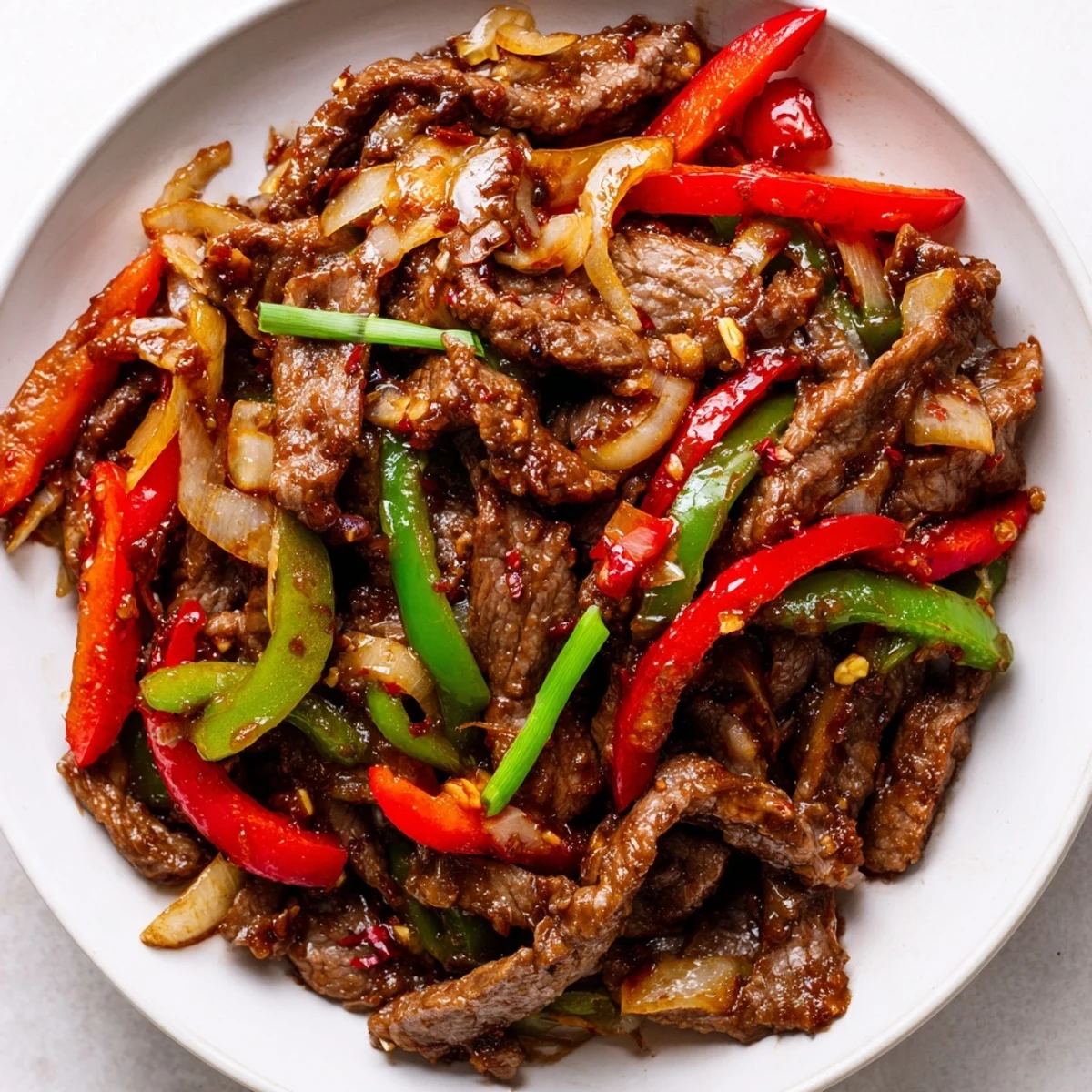
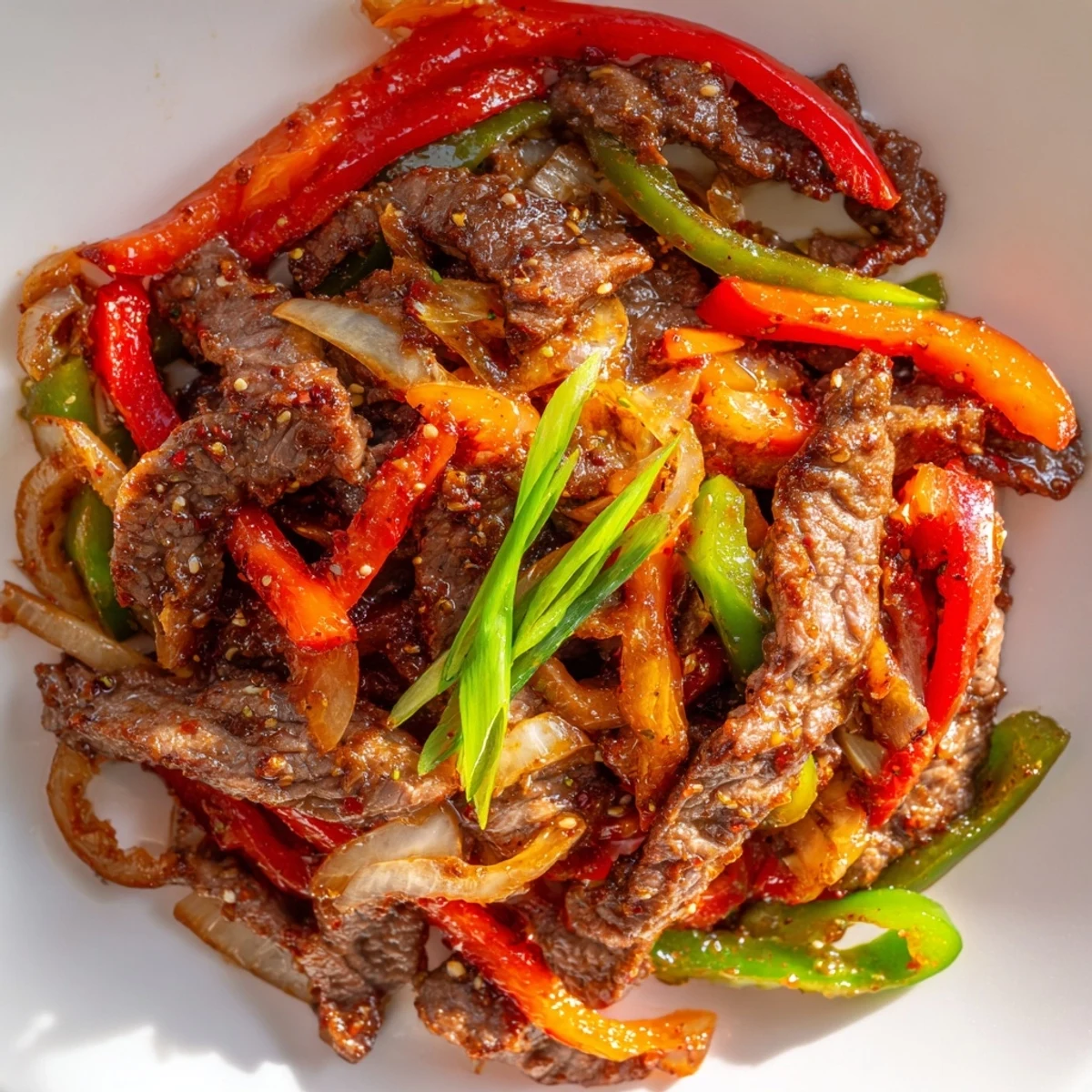
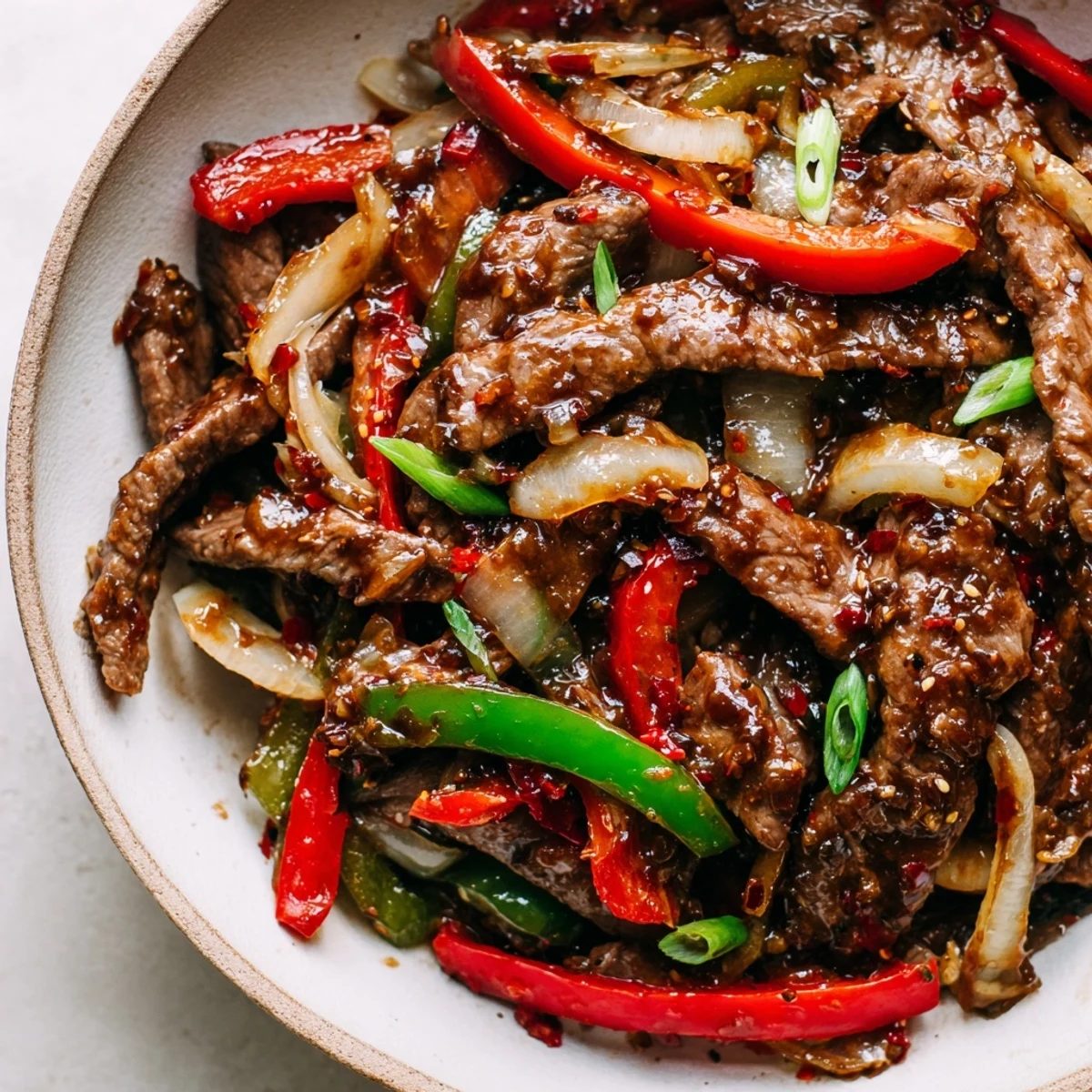
 This dish features tender strips of flank steak marinated briefly and cooked quickly in a hot wok. Red and green bell peppers, onion, garlic, and fresh ginger add color and aroma. A spicy, savory sauce blends soy, oyster, chili garlic sauce, and a hint of sweetness to coat the ingredients perfectly. Garnished with spring onions, it offers a lively and satisfying meal ideal for busy evenings. Serve over jasmine rice or noodles for a scrumptious, speedy dinner.
There's something about the sizzle of beef hitting a screaming hot wok that never gets old. I learned to make this stir fry on a Tuesday night when I had exactly 25 minutes and three vegetables in my crisper drawer, and somehow it became the dish I keep coming back to. The spice builds slowly, creeping up on you in the best way, and by the time everything hits the pan together, your kitchen smells like you've been to Southeast Asia and back.
I made this for my housemate after she had a brutal day at work, and watching her expression shift from tired to genuinely happy over a bowl of this was worth every second of chopping. She asked for the recipe that night, and I realized it wasn't complicated at all—just good technique and letting each ingredient have its moment.
Ingredients
- Flank steak or sirloin, thinly sliced: Slice against the grain and you'll get tender pieces that don't chew; I learned this the hard way after my first batch felt tough.
- Soy sauce (for marinade): Even 10 minutes makes the beef more receptive to flavor and helps it brown beautifully.
- Cornstarch: This is the secret that gives you that slight cling to the sauce without making it gloopy.
- Sesame oil: Just a teaspoon adds a warm, toasty note that makes people ask what your secret ingredient is.
- Red and green bell peppers: Keep them sliced thick enough to stay crisp; too thin and they collapse into the sauce.
- Onion and garlic: Don't skip the fresh ginger—it's what separates this from ordinary stir fry.
- Chili garlic sauce: Start with 1 tablespoon and taste as you go; heat builds and you can't undo it.
- Oyster sauce: This rounds out the flavor with a subtle umami depth you didn't know you needed.
- Brown sugar: A small amount balances the heat and salt, pulling everything into harmony.
- Rice vinegar: This bright note at the end keeps the whole dish from feeling heavy.
Instructions
- Coat the beef:
- Toss your sliced beef with soy sauce, cornstarch, and sesame oil and let it sit for 10 minutes. You'll notice the beef starting to look slightly glossy; that's exactly what you want.
- Mix your sauce:
- Whisk everything together in a small bowl and set it within arm's reach of your stove. You'll need it quickly once the cooking starts.
- Sear the beef:
- Get your wok or skillet smoking hot—I mean really hot, until you see wisps of smoke. Add the beef in a single layer and let it sit for 30 seconds before stirring; this is how you get color.
- Build your aromatics:
- Once the beef is out of the pan, add fresh garlic, ginger, and onion to the remaining oil. After about a minute, you'll smell that incredible fragrance that tells you everything is working.
- Add the vegetables:
- Toss in your bell peppers and keep the heat high and the motion constant. You want them tender but still with a slight bite, which usually takes 2 to 3 minutes.
- Bring it together:
- Return the beef to the pan, pour in your sauce, and toss everything for just a minute or two until everything is coated and heated through. The sauce should cling to each piece rather than pool at the bottom.
- Finish with spring onions:
- Stir in fresh spring onions right at the end so they stay bright and crisp rather than turning soft.
 Save to Pinterest
 The first time someone told me this was better than the place down the street, I realized I'd created something that mattered to them. Food has a way of doing that—transforming an ordinary night into something they remember.
The Heat Factor
I started with a conservative amount of chili garlic sauce because I was cooking for people with different heat tolerances, and I've learned that it's always easier to add more than to cool things down. The sauce hits differently depending on the brand you use, so taste and adjust before you commit. Some nights I want just a whisper of warmth, other nights I want genuine fire—this recipe respects both moods.
Rice or Noodles
Jasmine rice is my go-to because it stays light and fluffy and doesn't compete with the sauce, but honestly, crispy chow mein noodles are spectacular here too if you want something with more texture. The sauce is thick enough that it coats whatever you choose rather than pooling underneath, which was a small revolution in my cooking when I figured it out.
Timing and Prep
The actual cooking is so fast that everything needs to be prepped and ready before you turn on the heat. I learned this after chopping an onion while my beef was already searing, and I rushed through the rest feeling frazzled. Take 10 minutes upfront to slice everything, and the cooking becomes almost meditative.
- Slice your beef against the grain so it stays tender no matter how hot your pan gets.
- Keep your wok or skillet over high heat and don't lower the flame out of nervousness—that's where the magic happens.
- Taste the sauce before it goes into the pan so you can adjust the heat level while you still can.
 Save to Pinterest
 This stir fry has become my answer to the question of what to make on nights when I want something that tastes impressive but doesn't require complicated technique. It's just beef, vegetables, and a sauce that works because of heat and timing, not magic.
Recipe FAQs
- → What cut of beef works best?
-
Flank steak or sirloin sliced thinly against the grain ensures tenderness and quick cooking.
- → How spicy is the sauce?
-
The chili garlic sauce adds a moderate kick that can be adjusted to taste for milder or bolder flavors.
- → Can I substitute the vegetables?
-
Yes, snap peas or broccoli make great alternatives or additions for extra crunch and nutrition.
- → Is this suitable for a gluten-free diet?
-
Use tamari instead of soy sauce and a mushroom-based oyster sauce substitute to avoid gluten.
- → What cooking tools are recommended?
-
A large wok or skillet, mixing bowls, knives, and tongs or a spatula help efficiently prepare this dish.