
 Save to Pinterest
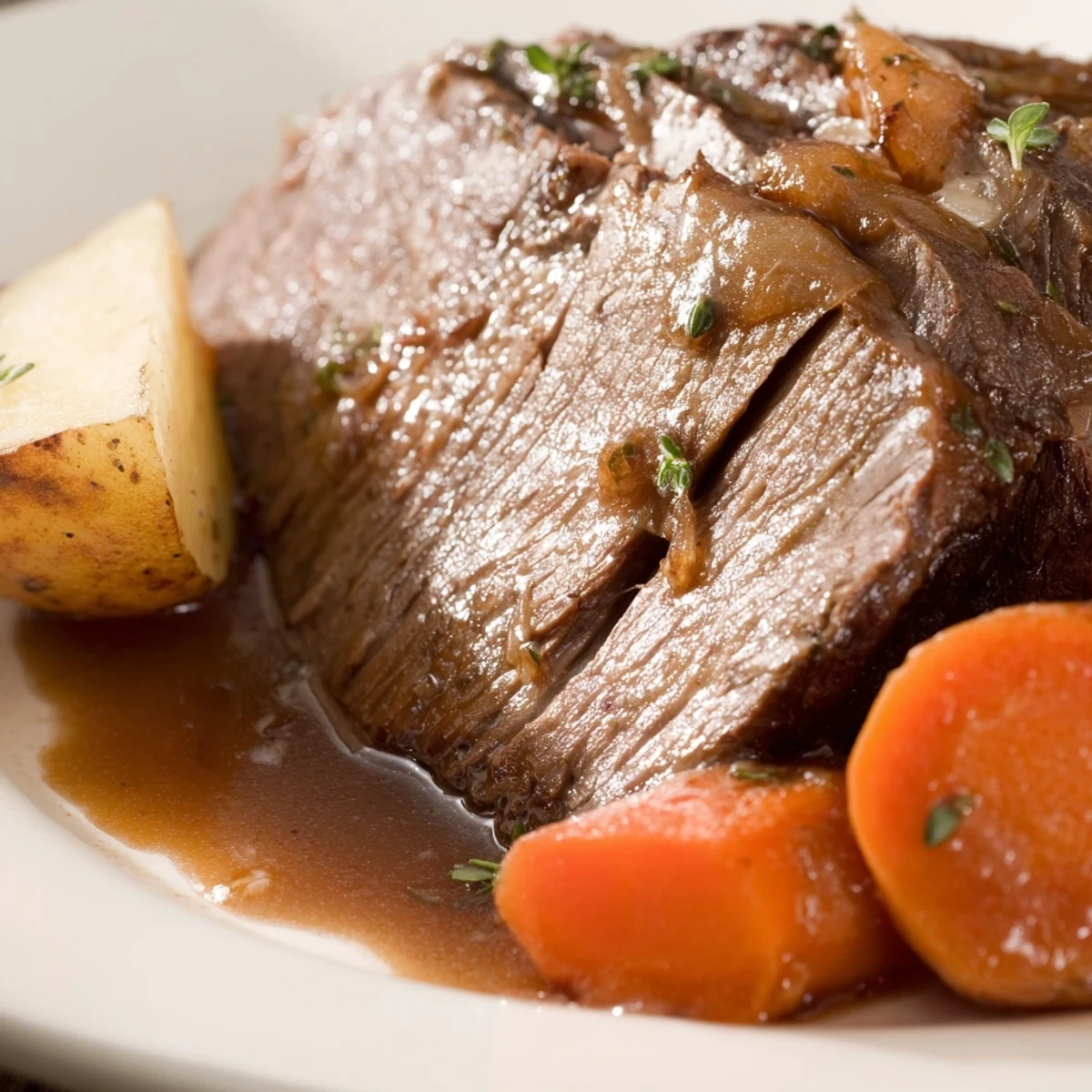
 This hearty beef chuck roast is seared to lock in flavor, then slow-cooked with carrots, potatoes, celery, onions, and garlic. Infused with thyme, rosemary, bay leaves, and savory broth, it yields tender meat and perfectly cooked vegetables. Ideal for a comforting family meal, it pairs wonderfully with a robust red wine. Cooking time ensures deep flavors and a juicy finish.
There's something about the smell of a beef roast browning in a hot pot that fills the whole house with a sense of occasion, even on an ordinary weeknight. My kitchen was cold that first time I made this, and I remember being surprised how quickly the aroma changed everything—suddenly the whole evening felt like it mattered. The meat developed this gorgeous mahogany crust, and I knew right then that low and slow was going to turn tough chuck into something my family would actually ask for again.
I made this for my sister's birthday dinner years ago, and she arrived early just to stand in the kitchen and soak it in. We didn't have much to talk about that weekend, but somehow peeling carrots and potatoes together while the roast simmered gave us what we needed. By the time we sat down to eat, whatever distance had been between us felt smaller.
Ingredients
- Beef chuck roast (1.5 kg): Chuck is the secret here—it has just enough marbling to stay juicy through a long braise, and the collagen breaks down into gelatin that makes the pan juices silky.
- Carrots, potatoes, celery, and onions: Cut them generous so they don't disappear into the liquid, and they'll be fork-tender without falling apart.
- Garlic cloves (4, smashed): Smashing them releases the oils and flavor without the bite of slicing, and they soften into the juices.
- Olive oil (2 tbsp): Just enough to create that crucial sear that locks in the meat's flavor.
- Kosher salt and black pepper: Season generously on both sides of the roast before searing—this is where most of your flavor starts.
- Dried thyme and rosemary (1 tsp each): These woody herbs grow stronger in the oven's heat and balance the richness of the beef.
- Bay leaves (2): They add a subtle earthiness that pulls everything together.
- Beef broth (500 ml) and red wine (120 ml): The wine adds complexity if you have it, but the broth alone does the work—it's the vehicle for everything else.
Instructions
- Heat your pot and prepare the roast:
- Get your Dutch oven screaming hot with olive oil, then pat the beef dry—this is critical because moisture will steam instead of sear. Season it generously all over with salt and pepper.
- Sear the beef until it's mahogany brown:
- Don't move it around; let each side sit in the heat for a couple minutes until it develops that deep, caramelized crust. You'll see the edges start to release when they're ready to flip.
- Build your vegetable base:
- Once the roast is out, the pot is still hot and full of browned bits—add your onions, carrots, celery, and garlic. Let them soften for a few minutes; they'll pick up all that flavor stuck to the bottom.
- Return the roast and add everything else:
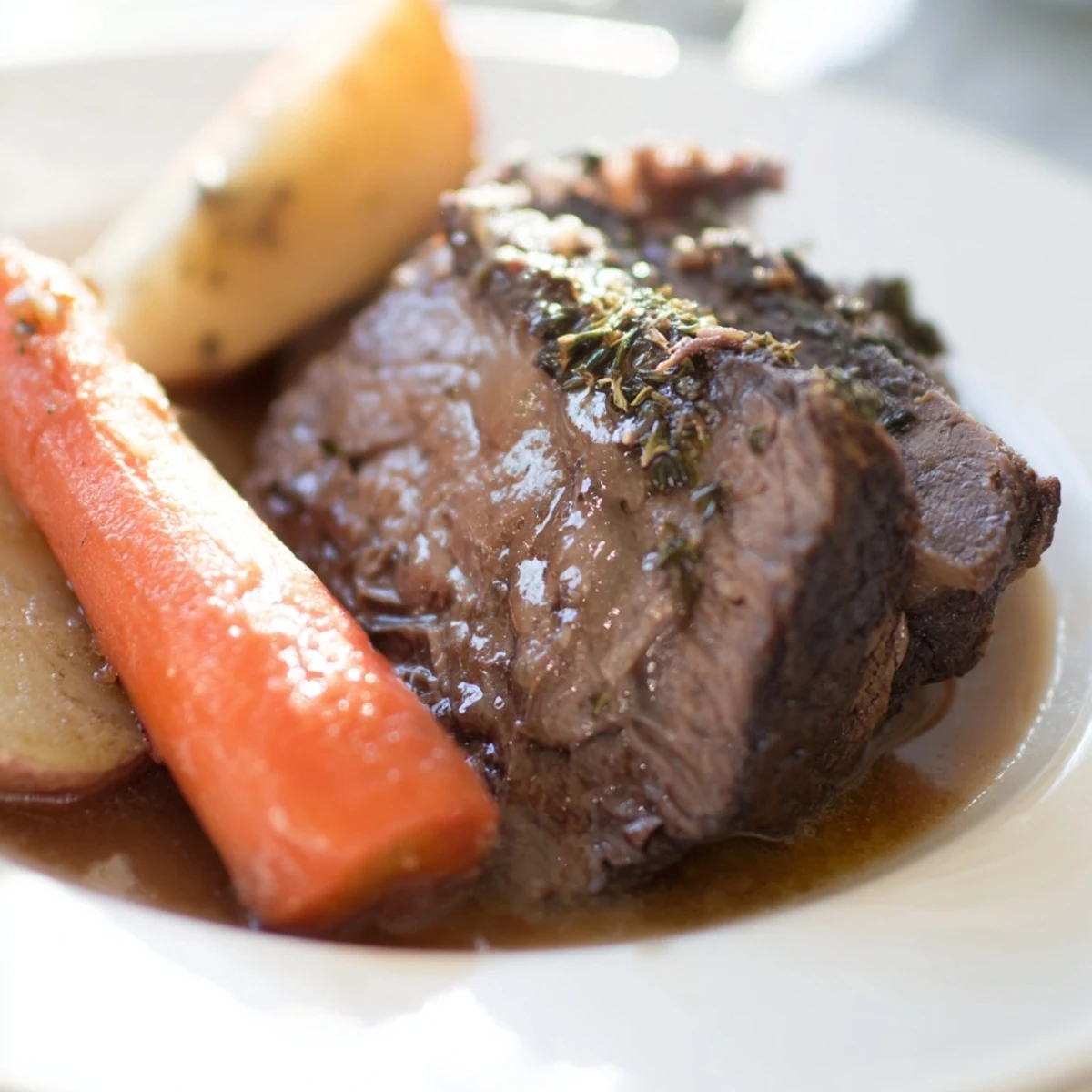
- Nestle the beef back in with the vegetables, then scatter your potatoes and herbs around it. Pour in the broth and wine until the liquid comes maybe halfway up the roast—you're creating an environment where everything steams and braises together.
- Braise low and slow in the oven:
- Cover it tightly and let the oven's gentle heat do the work for two to two and a half hours. The beef will know when it's done—a fork should slip through it like butter.
- Rest and serve:
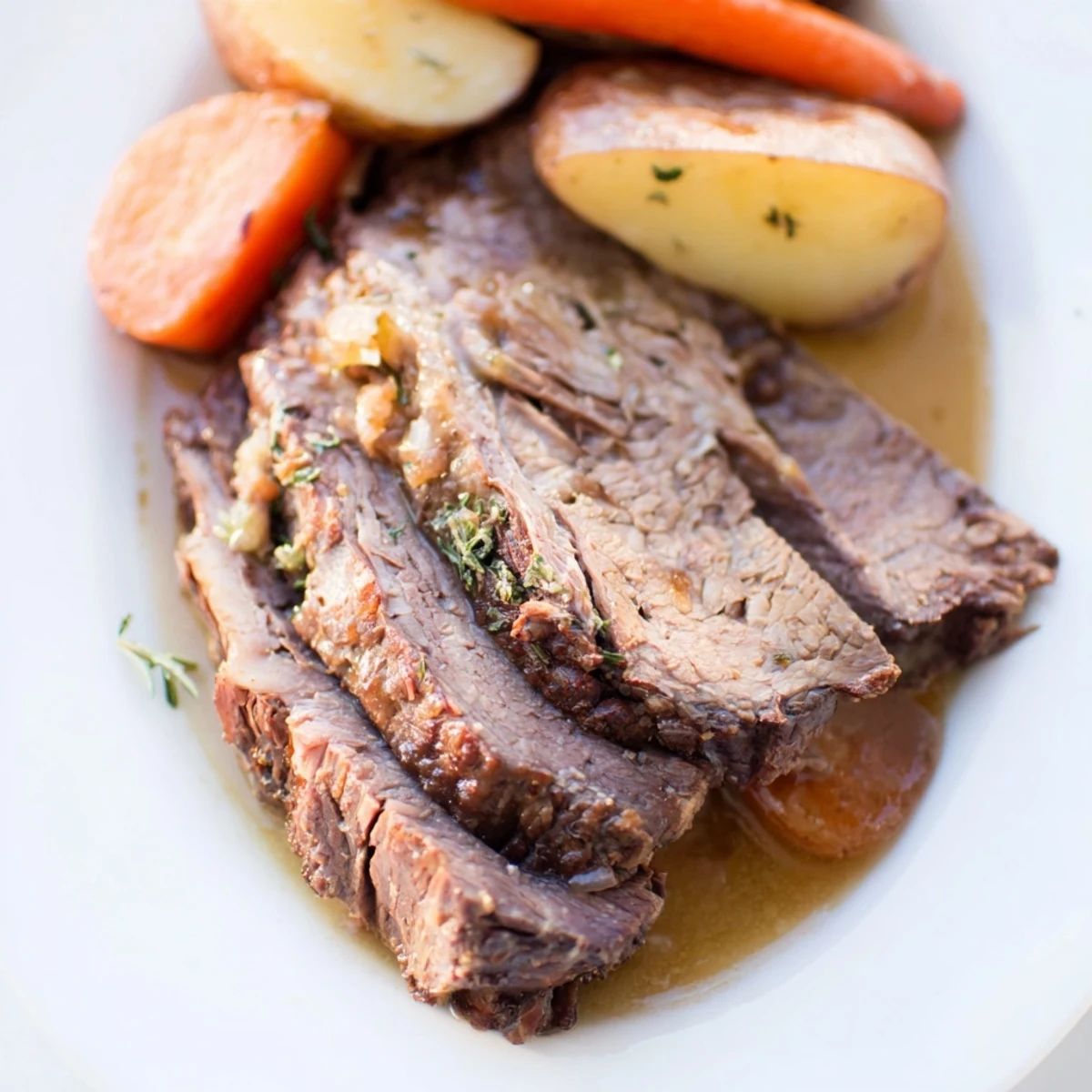
- Pull it out, let it rest for ten minutes (this keeps it from falling apart when you slice), then serve with all those vegetables and the pan juices spooned over top.
 Save to Pinterest
 My dad tasted this once and asked for the recipe, which he'd never done before. Watching him write it down on the back of an envelope felt like some kind of permission I didn't know I was waiting for.
Why This Braise Works
Braising is one of cooking's most forgiving techniques because the liquid creates a gentle, humid environment that's almost impossible to overcook in. The meat doesn't dry out; instead, the low temperature breaks down the tough fibers slowly, turning them into something tender and full of flavor. It's the opposite of pan-searing a steak where timing is everything—here, time is doing the heavy lifting for you.
Timing and the Right Cut
Chuck roast is specifically made for this; it's from a part of the cow that works hard, which means it has more connective tissue and fat than tender cuts. That's exactly what you want in a braise because all that fat and collagen melts and turns into richness. A two-hour minimum is what it takes for that transformation, and honestly, two and a half hours is better if you have the time.
Beyond the Basic Recipe
This is a blueprint, not a prison. I've added mushrooms when I had them, swapped parsnips for potatoes when carrots were getting boring, and once threw in pearl onions because they were sitting in my pantry. The structure stays the same—beef, vegetables, herbs, liquid—but the details can shift with what you have and what your mood is.
- If the pan juices taste thin, simmer them on the stovetop for five to ten minutes to concentrate the flavor, or stir in a paste of cornstarch and water to thicken.
- Leftovers shred beautifully into soups or sandwiches, and the whole thing actually tastes better the next day once the flavors have settled.
- A robust red wine like Cabernet pairs naturally with this, but it's not required—the beef broth alone makes it complete.
 Save to Pinterest
 This roast has become the thing I make when I want to feel like I'm taking care of people, and somehow it always works. There's real comfort in serving something that took time and attention, something that fills the house before anyone even tastes it.
Recipe FAQs
- → What cut of beef is best for this roast?
-
Beef chuck roast works best due to its balance of fat and connective tissue, becoming tender during slow cooking.
- → Can I use different vegetables?
-
Yes, parsnips or turnips can replace potatoes for variation without altering the cooking method.
- → How do I achieve a thicker sauce from the braising liquid?
-
After cooking, remove meat and vegetables then simmer the pan juices for 10 minutes or thicken with a cornstarch slurry.
- → Is red wine necessary in the cooking liquid?
-
Red wine adds depth but is optional; beef broth alone will still yield rich flavors.
- → What is the best way to brown the beef?
-
Heat olive oil over medium-high heat and sear the roast evenly on all sides until deeply browned, about 8 minutes total.