
 Save to Pinterest
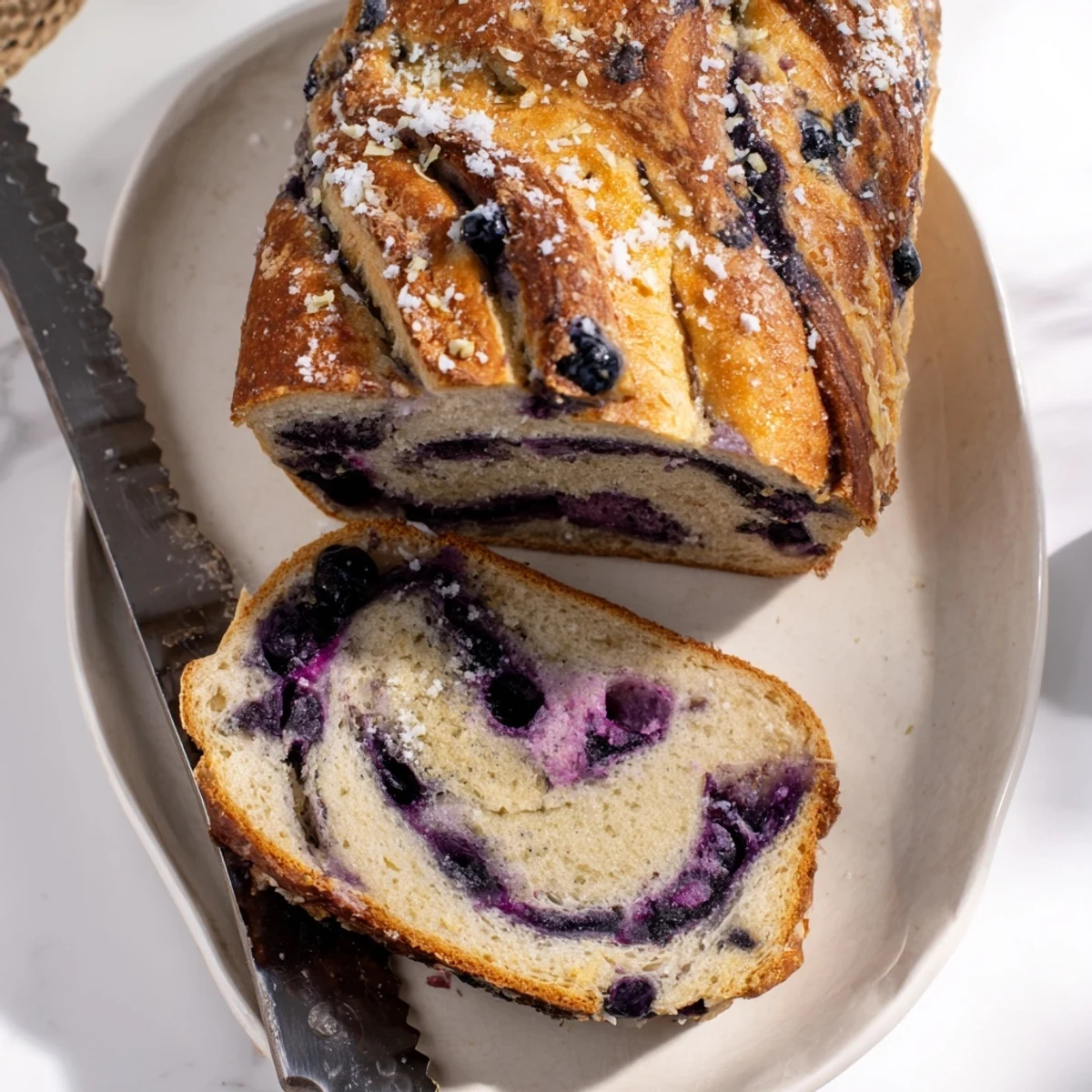
 This artisan loaf combines the complex tang of naturally fermented sourdough with the bright sweetness of fresh blueberries and zesty lemon. The dough undergoes traditional stretch-and-fold techniques to develop structure before being rolled with a smooth cream cheese filling. After an overnight cold proof, the bread bakes to golden perfection with a crispy crust and tender interior studded with berries. Each slice reveals beautiful swirls of creamy filling, making it ideal for leisurely weekend breakfasts or special brunch occasions.
Last summer my neighbor brought over a basket of blueberries from her garden and I could not stop thinking about ways to use them beyond the usual muffins or pancakes. Something about the combination of tart berries and bright citrus felt like it belonged in bread, and after a few happy experiments in my tiny kitchen, this swirled sourdough became the breakfast my family actually cheers for.
My sister stayed over last weekend and woke up to the smell of this bread coming out of the oven. She stood there watching it cool on the counter, practically vibrating with impatience, and confessed later that she ate three slices standing up before I even had a chance to toast any.
Ingredients
- Bread flour: Gives the dough strength to hold all those gorgeous fillings without collapsing
- Whole wheat flour: Adds nutty flavor and helps the sourdough develop character
- Active sourdough starter: The soul of the bread, should be bubbly and fed within 8 hours
- Water: Room temperature helps fermentation move along at the right pace
- Fine sea salt: Do not skip this, it balances all the sweetness coming later
- Fresh blueberries: Frozen works too but toss them in a little flour first
- Lemon zest: Use a microplane to get just the bright yellow part, no bitter pith
- Cream cheese: Must be truly soft or you will tear the dough when spreading
- Granulated sugar: Sweetens the filling just enough to let the berries shine
- Pure vanilla extract: Rounds out all the flavors and makes everything taste cozy
Instructions
- Mix your base dough:
- Combine bread flour, whole wheat flour, starter and water in a large bowl until no dry flour remains visible. Cover and let rest for 45 minutes, which gives the flour time to fully hydrate.
- Add the salt:
- Sprinkle the sea salt over the dough and knead gently until fully incorporated. Cover again and let rest for 30 minutes to let the gluten start developing.
- Build strength:
- Perform 3 to 4 sets of stretch and folds every 30 minutes during the first 2 hours of bulk fermentation. Grab one edge of the dough, pull it up high, then fold it over the center.
- Make the filling:
- While the dough is fermenting, beat the softened cream cheese with sugar and vanilla until completely smooth. Set aside at room temperature so it stays spreadable.
- Add the berries:
- During the last stretch and fold, gently fold in the fresh blueberries and lemon zest. Be careful not to squish the berries too much, just tuck them into the dough.
- Shape and fill:
- Turn the dough onto a lightly floured surface and pat it into a rough rectangle. Spread the cream cheese mixture evenly over the surface, then roll the dough up like a jelly roll, pinching the seam tightly to seal.
- Final proof:
- Shape the dough into a tight round or oval and place it seam side up in a floured proofing basket. Cover and refrigerate for 6 to 10 hours for a slow cold proof that develops amazing flavor.
- Get ready to bake:
- Preheat your oven to 450°F with your Dutch oven inside so it gets screaming hot. This initial blast of heat is what creates that beautiful crust.
- Score and bake:
- Turn the dough onto parchment paper, score the top with your pattern of choice, and sprinkle with coarse sugar and extra lemon zest. Bake covered for 25 minutes, then uncover and continue baking for 20 minutes until deeply golden.
- Patience pays off:
- Let the bread cool completely before slicing, which is admittedly the hardest part of the whole recipe. The cream cheese needs time to set or it will ooze out when cut.
 Save to Pinterest
 Now this is the bread that actually gets me out of bed on Sunday mornings. My toddler calls it the surprise bread because every slice has different treasures tucked inside.
Making It Ahead
The overnight cold proof works in your favor if you want fresh bread for breakfast. Just prepare everything the night before, pop it in the fridge, and bake first thing in the morning while your coffee brews.
Getting Creative
Once you master the basic technique, the filling possibilities are endless. Try swapping the blueberries for raspberries or adding a handful of chopped toasted walnuts for extra crunch.
Serving Suggestions
This bread needs absolutely nothing when it is fresh from the oven, but a thin layer of salted butter or a little lemon curd never hurt anybody.
- Toasted leftovers make an incredible afternoon snack with tea
- Leftover slices freeze beautifully for up to a month
- The filling swirled pattern looks gorgeous on any brunch spread
 Save to Pinterest
 Hope this recipe brings as many joyous breakfast moments to your table as it has to mine.
Recipe FAQs
- → Can I use frozen blueberries instead of fresh?
-
Yes, frozen blueberries work well in this dough. Toss them lightly in flour before folding into the dough to prevent excess moisture and blue streaks throughout the crumb.
- → How should I store this sourdough?
-
Store the cooled loaf in a paper bag or wrapped loosely in plastic at room temperature for up to 2 days. For longer storage, slice and freeze in an airtight container, then toast before serving.
- → Can I make the filling ahead of time?
-
Absolutely! Mix the cream cheese, sugar, and vanilla extract up to 2 days in advance and keep refrigerated. Bring to room temperature before spreading for easier application.
- → What if I don't have a Dutch oven?
-
You can bake on a baking stone or heavy baking sheet. Create steam by placing a pan of hot water on the bottom rack while baking, though the crust may be slightly less crispy.
- → Can I reduce the proofing time?
-
The cold proof develops flavor and texture, but you can proof at room temperature for 2-3 hours instead. However, the extended fermentation creates better sourdough character and easier handling.