
 Save to Pinterest
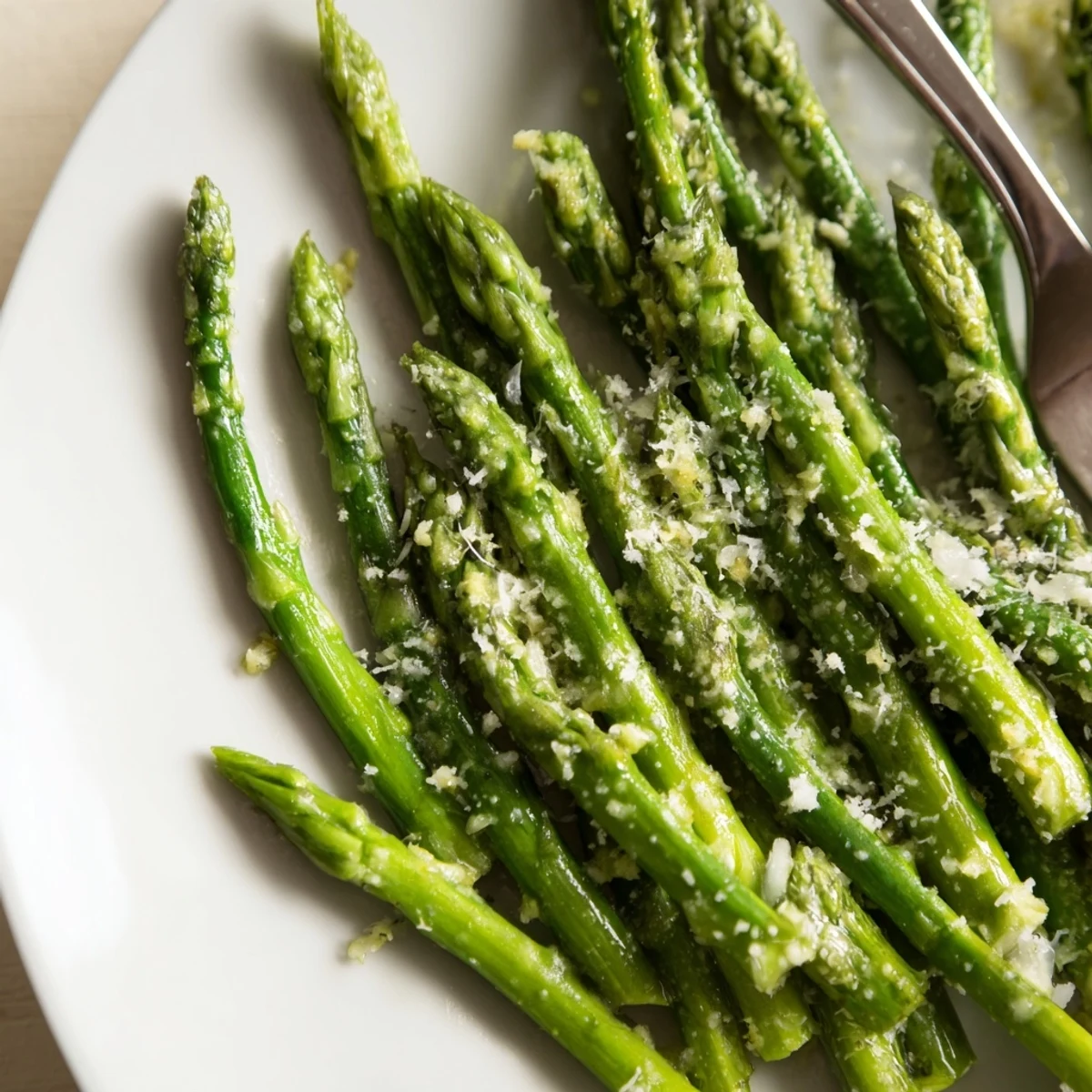
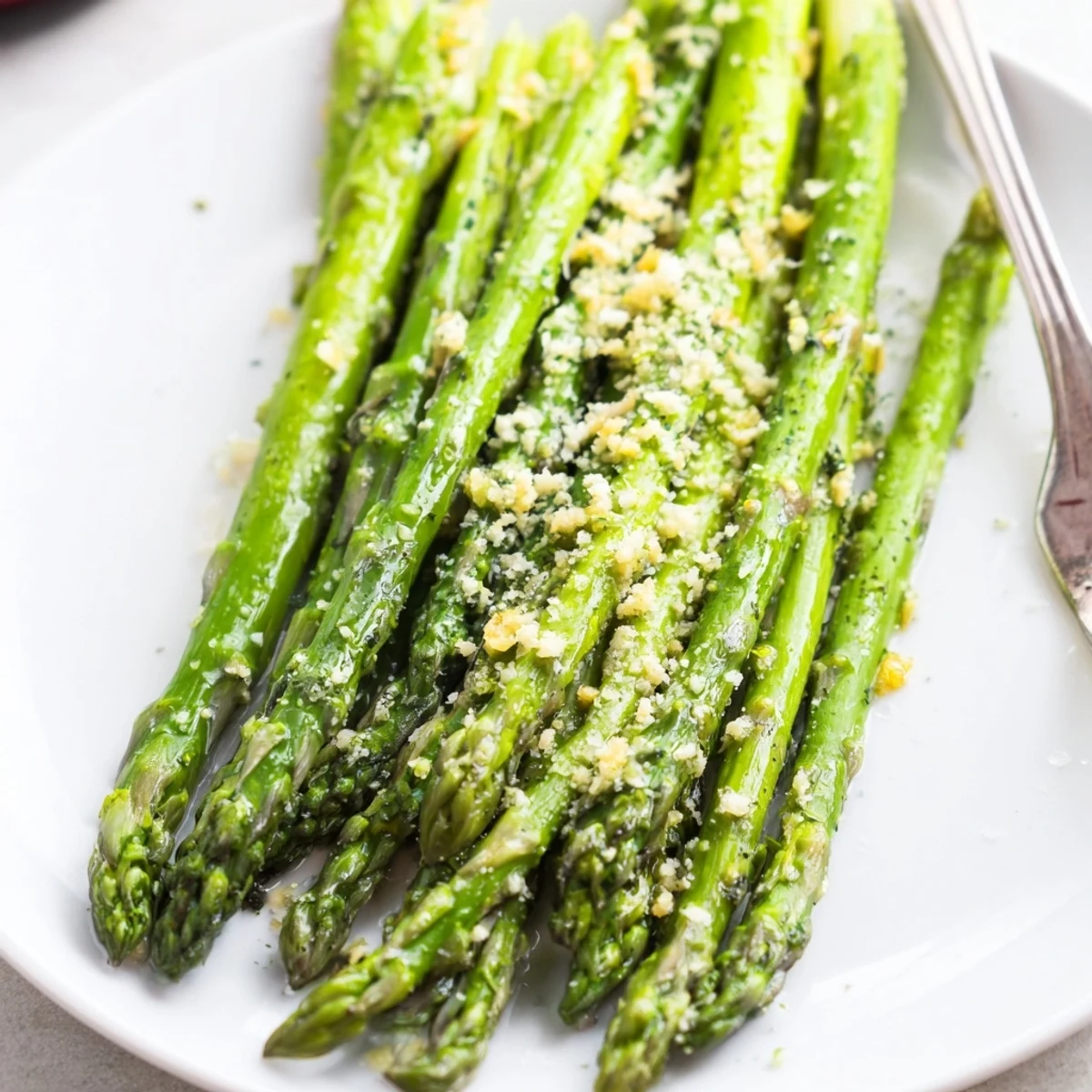
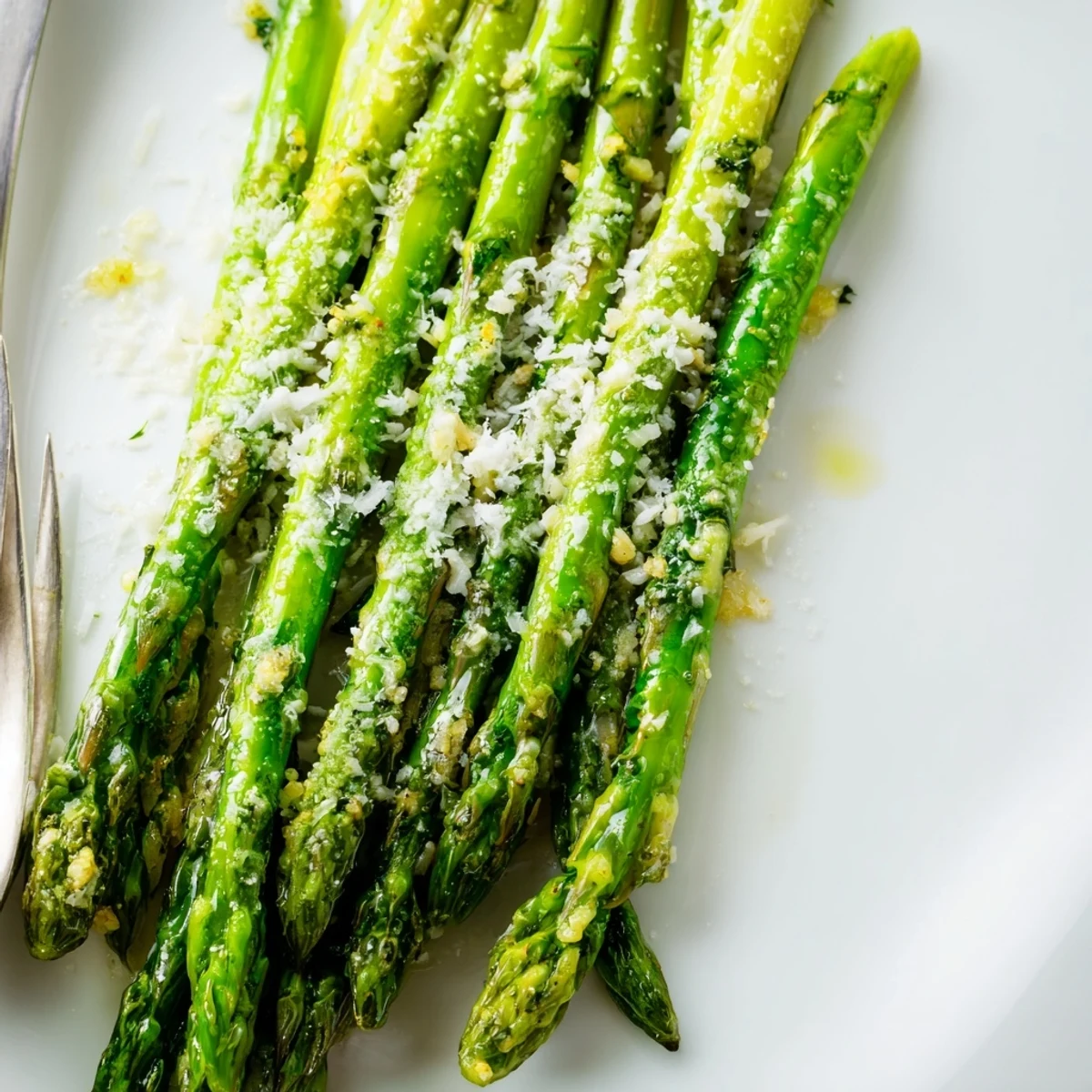
 Tender asparagus spears are quickly sautéed in olive oil until bright green. Minced garlic is added for aroma, followed by fresh lemon zest and juice for acidity. The dish is finished with a generous sprinkle of salty Parmesan cheese, creating a simple yet elegant side that complements grilled meats or pasta perfectly.
My neighbor tossed a bundle of fresh asparagus over the fence one spring morning, still dewy from her garden, and I stood there wondering what to do with it. That afternoon I heated olive oil in my skillet, and the kitchen filled with this perfect green-cooking smell that made me pause mid-chop. Ten minutes later, with a squeeze of lemon and a handful of Parmesan, I understood why she grows so much of the stuff every year.
I made this for a dinner party once and found myself standing by the stove while guests wandered into the kitchen, drawn by the smell. Everyone wanted to know what was happening in that pan, and suddenly we were all crowded around the counter watching asparagus turn from pale to brilliant green. It became the dish people asked me to bring.
Ingredients
- Fresh asparagus (1 lb): Snap the woody ends where they naturally break—this saves time and means you're using only the tender part that actually wants to be eaten.
- Garlic (2 cloves): Mince it small so it distributes evenly and doesn't overpower in any single bite.
- Olive oil (1.5 tbsp): The good kind makes a real difference here since there's nowhere to hide.
- Fresh lemon juice (1 tbsp): Squeeze it fresh; bottled tastes thin and chemical by comparison.
- Lemon zest (1 tsp): That bright yellow part holds the real lemon flavor, sharper than the juice alone.
- Kosher salt (1/2 tsp): Larger crystals let you feel the seasoning happening rather than disappearing into the asparagus.
- Freshly ground black pepper (1/4 tsp): Grind it right before cooking if you can—it's worth the thirty seconds.
- Freshly grated Parmesan (1/4 cup): Grate it yourself from a wedge; pre-grated tastes like cellulose and won't melt into the warm asparagus the same way.
Instructions
- Ready your asparagus:
- Rinse the spears under cool water and lay them on the cutting board. Hold each one and snap—don't cut—where it naturally breaks; the point where tough becomes tender is always the same.
- Get the pan hot:
- Pour olive oil into a large skillet and let it warm over medium heat until it shimmers slightly. You want it loose and easy, not smoking.
- Sauté the asparagus:
- Lay the spears in the pan and let them sit for a moment, then stir occasionally for 4 to 5 minutes until they turn bright green and a fork slides through easily. Listen for the gentle sizzle—it tells you the heat is right.
- Add the garlic:
- Scatter your minced garlic over the asparagus and keep stirring for about a minute until the kitchen smells unmistakably like something good is happening. Don't let it go golden or brown.
- Season and zest:
- Sprinkle salt, pepper, and lemon zest over everything and toss gently to coat. The colors will brighten a little, like they're waking up.
- Finish with lemon:
- Remove the pan from heat and squeeze fresh lemon juice over the asparagus. The residual heat will make the flavors bloom without cooking away the brightness.
- Plate and cheese:
- Transfer to a serving dish and immediately grate Parmesan generously over the top while everything is still warm. The cheese will soften slightly into the crevices of each spear.
 Save to Pinterest
 My daughter, who normally pushes vegetables around her plate, ate nearly all of this one night and asked for more. I realized then that it wasn't really about the asparagus at all—it was about respecting it enough to cook it simply, and letting each flavor do its job without fuss.
When to Serve This
This tastes right alongside grilled fish or chicken, when you want something bright and fresh without heaviness. It also slides perfectly into spring pasta dishes, where the lemon echoes other flavors without competing. I've found it shows up best on the table when everything else is rich—it's the palate-clearer that nobody planned but everyone wants more of.
Small Variations That Matter
Add toasted pine nuts for crunch and a subtle sweetness that makes the lemon sing differently. A small handful of torn fresh parsley adds color and another layer of freshness that some meals need. Some nights I toss in a pinch of red pepper flakes—nothing overwhelming, just enough to make people pause and ask what that warmth is.
Storage and Keeping
This is best served the moment it's finished, when the asparagus still has that snap and the Parmesan hasn't settled into everything. Leftovers live in the fridge for a day, though they won't taste quite the same—the texture changes and the lemon quiets down.
- Reheat gently in a skillet rather than the microwave if you must revive it.
- Skip the Parmesan if you're storing it, and add fresh cheese when you're ready to eat.
- This keeps better than you'd expect, but it really is meant to be a same-day dish.
 Save to Pinterest
 This dish taught me that sometimes the best meals are the ones that let ingredients speak for themselves. It's a quiet celebration of green and brightness, and it reminds me why cooking matters.
Recipe FAQs
- → How do I choose fresh asparagus?
-
Look for firm, bright green stalks with tightly closed tips. Avoid woody or limp stalks.
- → Can I use bottled lemon juice?
-
Fresh lemon juice is recommended for the best bright flavor, but bottled can work in a pinch.
- → What can I substitute for Parmesan?
-
Pecorino Romano offers a similar texture, or use nutritional yeast for a dairy-free option.
- → Do I need to peel the asparagus?
-
Peeling is not necessary for thin spears, though thick stalks benefit from trimming the bottom ends.
- → Is this suitable for meal prep?
-
It is best enjoyed fresh, but it can be stored in the refrigerator for up to two days and reheated gently.