
 Save to Pinterest
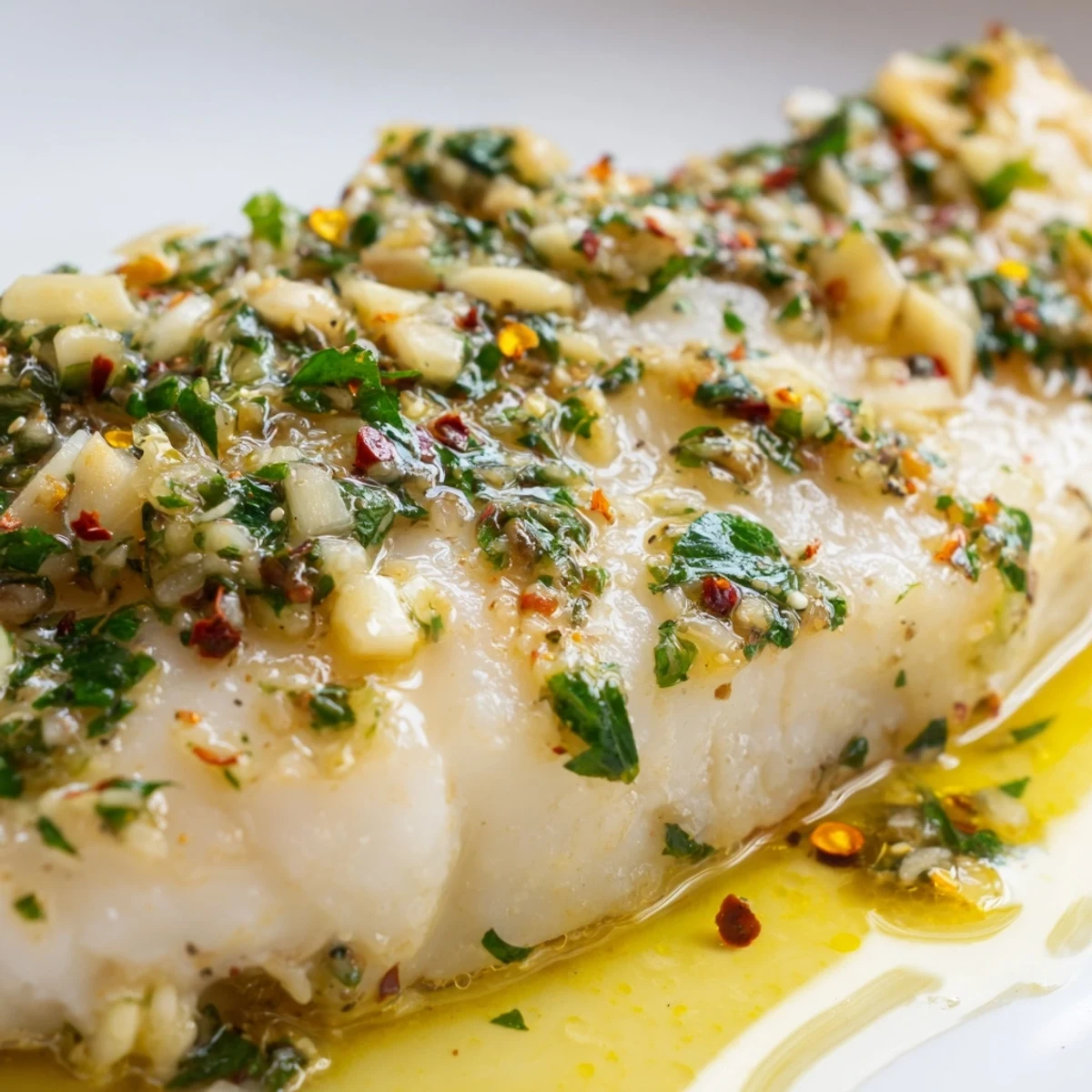
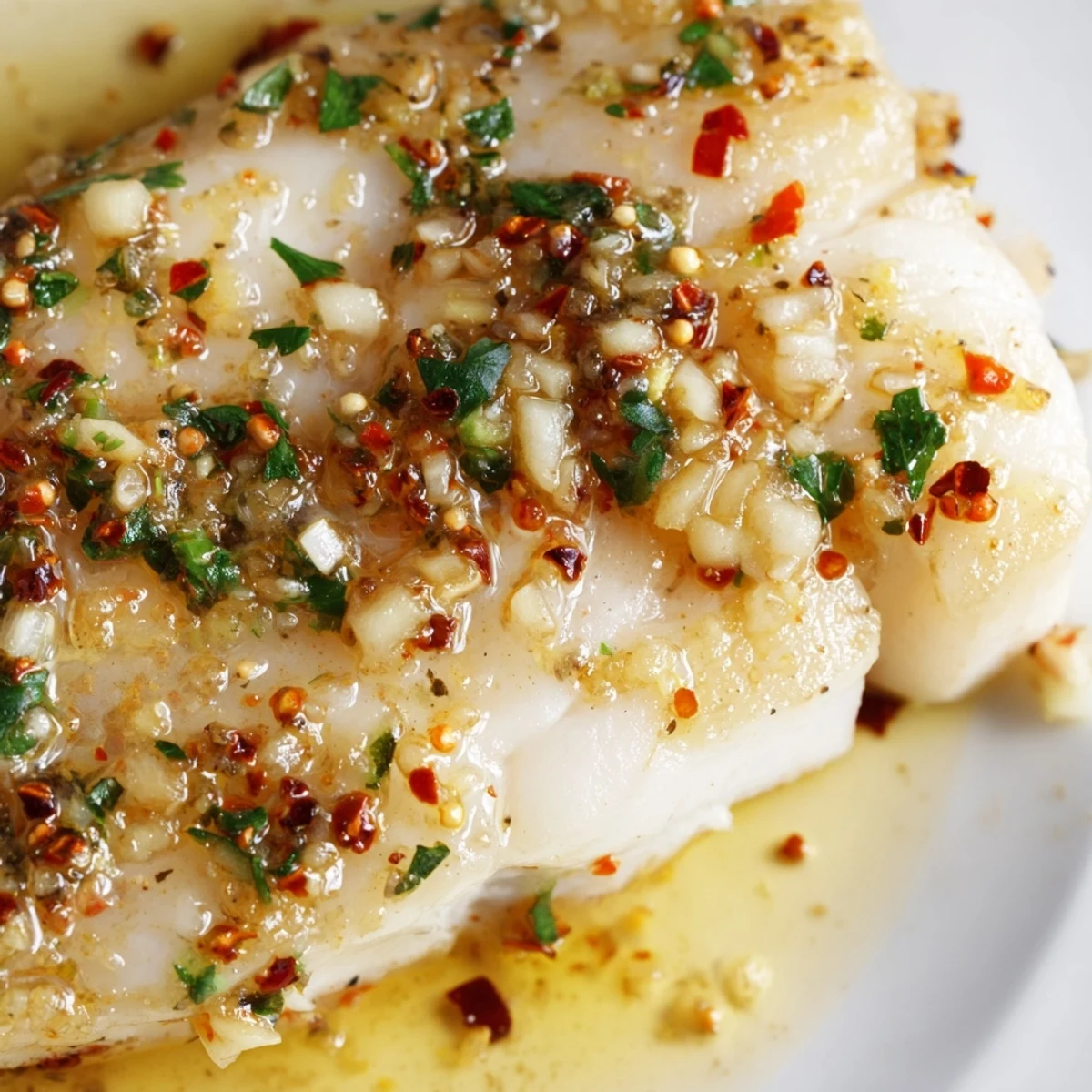
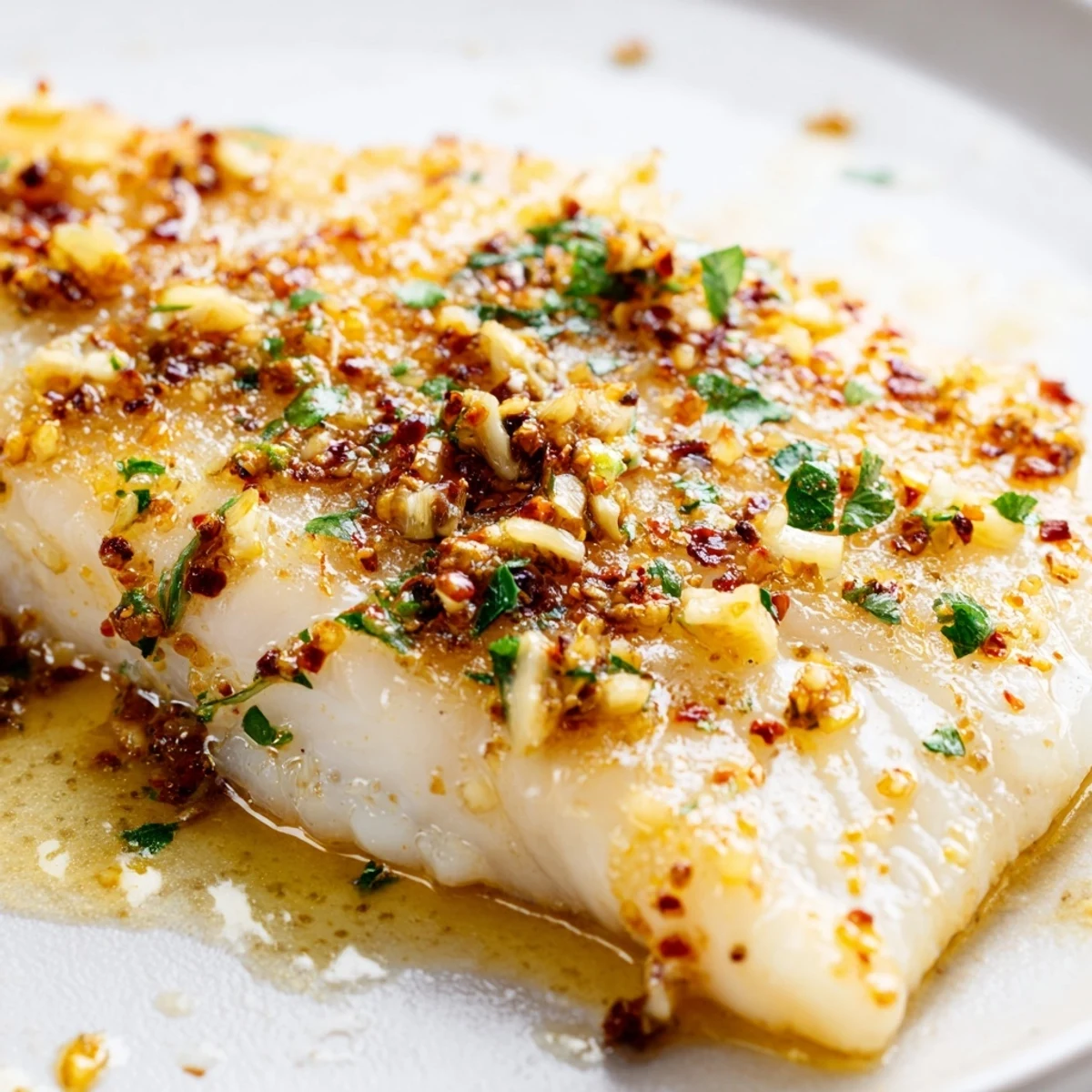
 This dish highlights tender white fish fillets cooked to golden perfection and topped with a zesty lemon sauce. The sauce blends fresh lemon juice, butter, garlic, and parsley, creating a tangy and aromatic complement that enhances the natural flavor of the fish. It’s a quick and healthy option that can be paired with steamed vegetables or roasted potatoes for a complete meal.
Cooking involves searing the fish in olive oil until flaky and golden, then simmering the sauce in the same pan to capture all the browned bits, infusing rich flavor. Garnished with lemon wedges and parsley, this dish delivers both brightness and depth in every bite.
One Tuesday evening, I pulled a fresh cod fillet from the market and realized I had nothing but lemons, butter, and garlic waiting at home. That improvised dinner turned into something so bright and alive on the plate that I've made it dozens of times since. There's something about the way lemon juice hits a hot pan—it fills the kitchen with this sharp, golden promise. Now whenever I need to feel like I've cooked something special without fussing, this is what I reach for.
I made this for my dad one Sunday when he was skeptical about pescatarian cooking, and he asked for the recipe before he'd even finished his plate. That moment—watching someone genuinely enjoy something light and healthy without feeling like they were missing out—shifted how I cook entirely.
Ingredients
- White fish fillets (cod, tilapia, or haddock): Four 150-gram fillets give you a generous serving without overwhelming the delicate sauce; pat them bone-dry before cooking so they sear properly instead of steaming.
- Salt and freshly ground black pepper: Season the fish twice—once before the pan and again after searing—so the seasoning actually penetrates instead of sitting on the surface.
- Olive oil: Use enough to coat the pan generously so the fish gets a proper golden crust and doesn't stick.
- Unsalted butter: This is where the sauce gets its richness; salted butter can overpower the delicate lemon notes.
- Garlic: Mince it fine and watch it carefully in the pan—burnt garlic will ruin everything in seconds.
- Fresh lemon juice: Squeeze it yourself from about two medium lemons; bottled juice tastes tinny and flat by comparison.
- Lemon zest: Just the bright yellow part, none of the bitter white underneath; a zester makes this effortless.
- Fresh parsley: Add it at the end so it stays vibrant green and doesn't turn muddy from the heat.
- Red pepper flakes: A whisper of heat brings out the citrus notes beautifully, but keep them optional if your family prefers mild.
Instructions
- Prepare and season the fish:
- Pat your fillets dry with paper towels—this is non-negotiable if you want them to brown. Season both sides generously with salt and pepper and let them sit for a minute while you heat the pan.
- Get the pan screaming hot:
- Heat olive oil in a large nonstick skillet over medium-high heat until it's shimmering and nearly smoking. You'll know it's ready when a tiny piece of fish sizzles instantly.
- Sear the fish with confidence:
- Place fillets in the pan and resist the urge to move them—let them sit for 3 to 4 minutes until they're golden and release easily from the pan. Flip gently once, cook the other side the same way, and transfer to a warm plate.
- Build the sauce magic:
- Reduce the heat to medium, add butter to the same skillet, and let it melt and foam. Add minced garlic and listen for that sweet, nutty fragrance—about 30 seconds—then immediately add your fresh lemon juice to stop the garlic from browning.
- Finish with brightness:
- Scrape up all those golden browned bits stuck to the pan (that's flavor), add the lemon zest, and let the sauce simmer for a minute or two until it's slightly reduced. Stir in fresh parsley and red pepper flakes if you're using them.
- Bring everything together:
- Return the fish to the skillet, spoon the warm sauce over each fillet, and let everything heat together gently for about a minute. Serve right away with lemon wedges on the side and a final scatter of parsley.
 Save to Pinterest
 I learned the importance of this dish one winter when a friend going through a rough time came over, and I wanted to make something that said 'I care' without being heavy or complicated. There's real grace in a simple plate done well, and watching her expression shift from tired to genuinely pleased reminded me why I cook.
The Power of Fresh Lemons
This recipe lives or dies by the lemon, so seek out bright, firm lemons that feel heavy for their size—they'll have the most juice and the brightest flavor. If your lemons look dull or wrinkled, they've been sitting around too long and taste flat and bitter instead of sharp and alive. The difference between juice you squeeze yourself and bottled juice is honestly shocking; it's worth buying an extra lemon just to taste the real thing side by side.
Perfect Pairings and Serving Ideas
This fish shines alongside something light—steamed broccoli or snap peas tossed with a little salt and olive oil, fluffy white rice, or roasted fingerling potatoes work beautifully without competing for attention. A crisp white wine like Sauvignon Blanc or Pinot Grigio amplifies all the bright flavors instead of fighting them. If you're feeding people who like heartier sides, creamy cauliflower rice or a simple arugula salad dressed with just lemon and oil rounds everything out perfectly.
Variations and Customizations
Once you understand this formula, you can bend it in whatever direction your kitchen is pointing that day. Salmon or trout bring a richer, fattier element that makes the lemon sauce taste even more elegant, while thin sole fillets cook in half the time if you're in a real hurry. You can add capers, olives, or sun-dried tomatoes to the sauce for depth, or skip the heat entirely if someone at your table prefers their food gentle. A tablespoon of cream swirled in at the very end softens everything into something almost luxurious without hiding the core flavors.
- Try a splash of white wine added right after the garlic for wine-bar elegance.
- Fresh dill or tarragon can replace the parsley entirely for an entirely different mood.
- If you have fresh ginger nearby, a thin slice adds unexpected warmth that pairs beautifully with the citrus.
 Save to Pinterest
 This is the kind of dinner that proves you don't need hours or complicated techniques to create something worth remembering. Make it often, trust the simplicity, and watch it become the meal people request when they want to feel cared for without the fuss.
Recipe FAQs
- → What types of fish work best for this dish?
-
White fish like cod, tilapia, or haddock work well due to their mild flavor and flaky texture that absorb the lemon sauce beautifully.
- → Can I use a different citrus instead of lemon?
-
Yes, lime or orange juice can be substituted to create a unique twist, though lemon offers the signature bright tanginess.
- → Is it necessary to use butter in the sauce?
-
Butter adds richness and smoothness, but olive oil can be used for a dairy-free version without sacrificing flavor.
- → How can I prevent the fish from overcooking?
-
Cook the fillets on medium-high heat for just 3–4 minutes per side until they turn opaque and flake easily with a fork.
- → What sides complement this fish dish well?
-
Steamed vegetables, rice, or roasted potatoes pair nicely, balancing the bright lemony flavors with mild, comforting textures.