
 Save to Pinterest
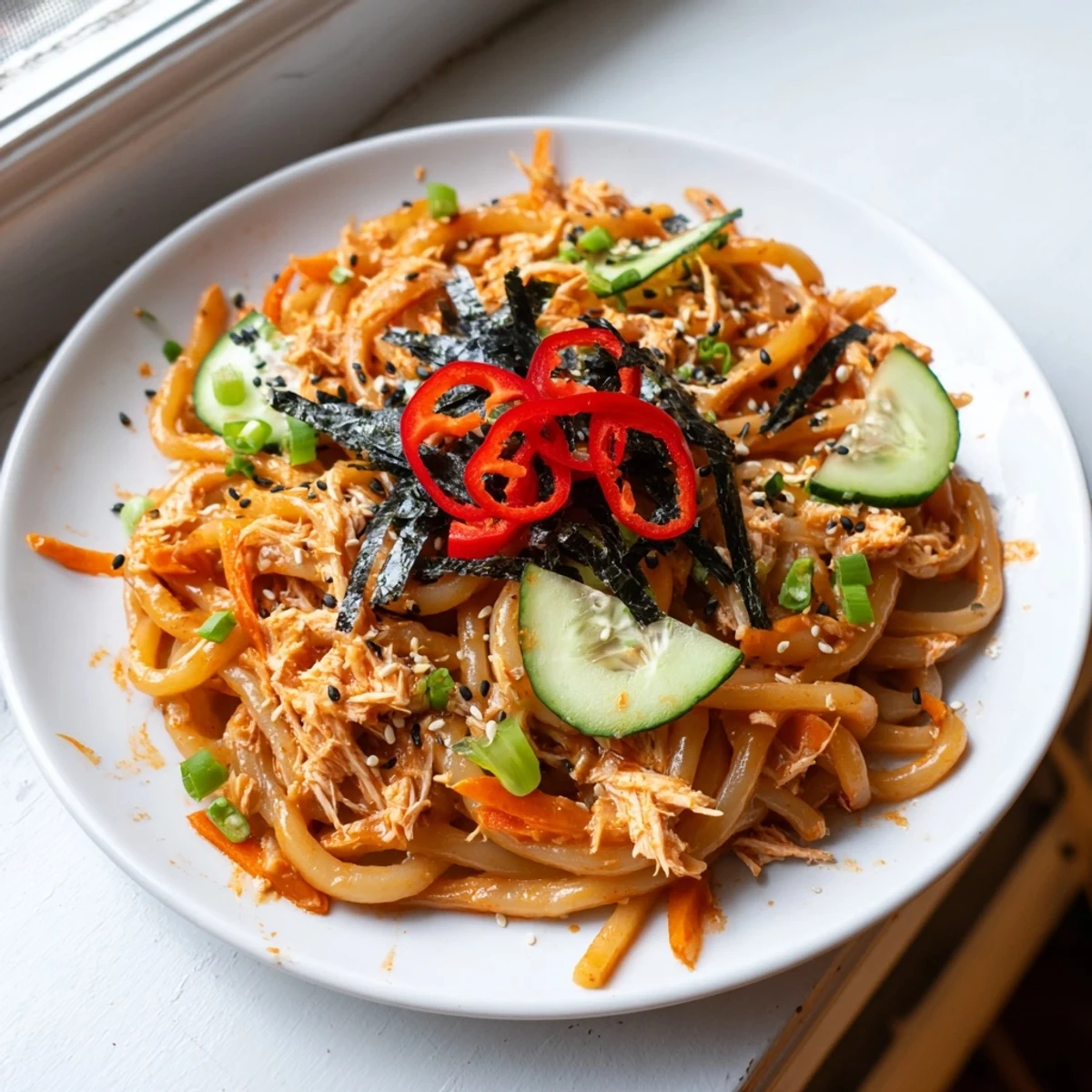
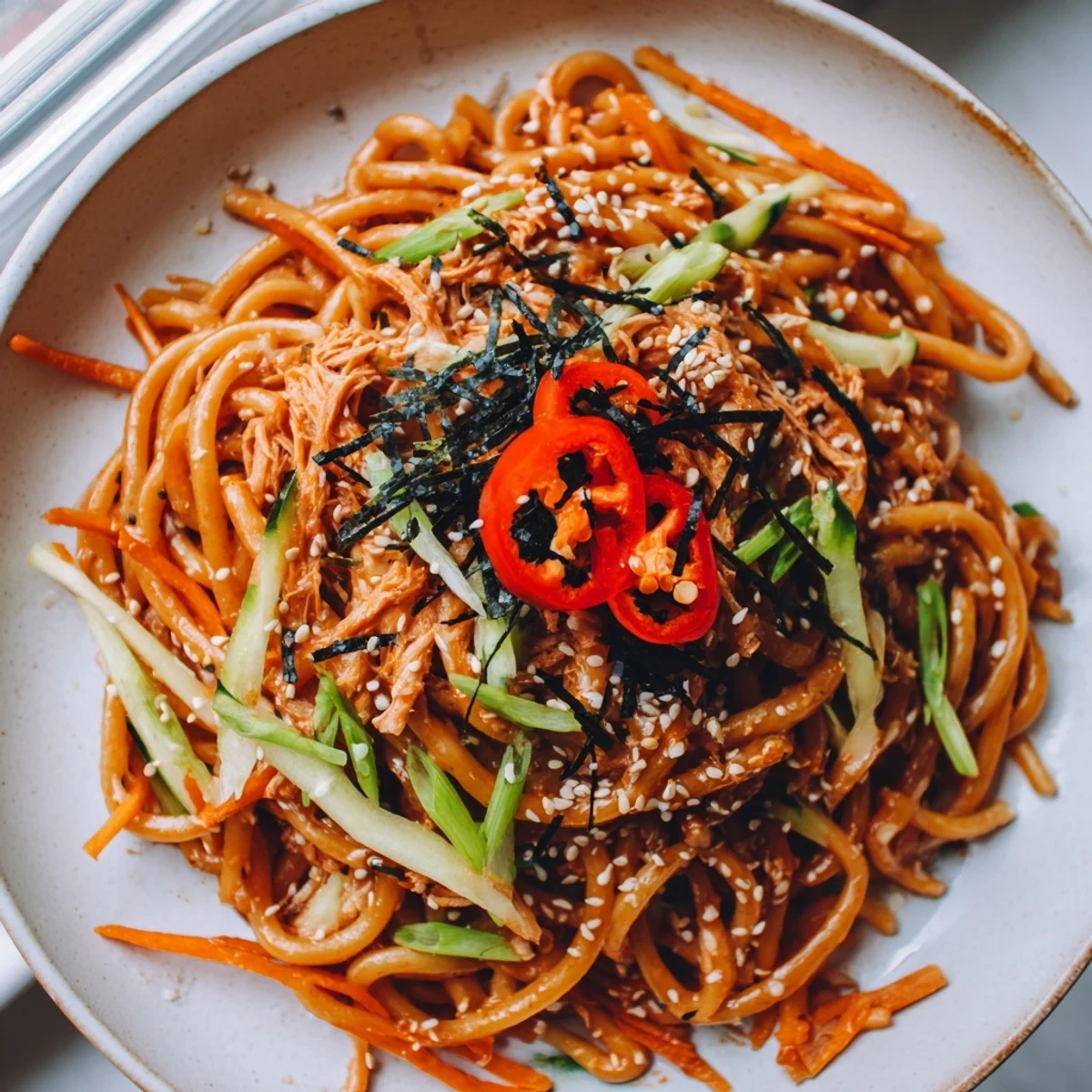
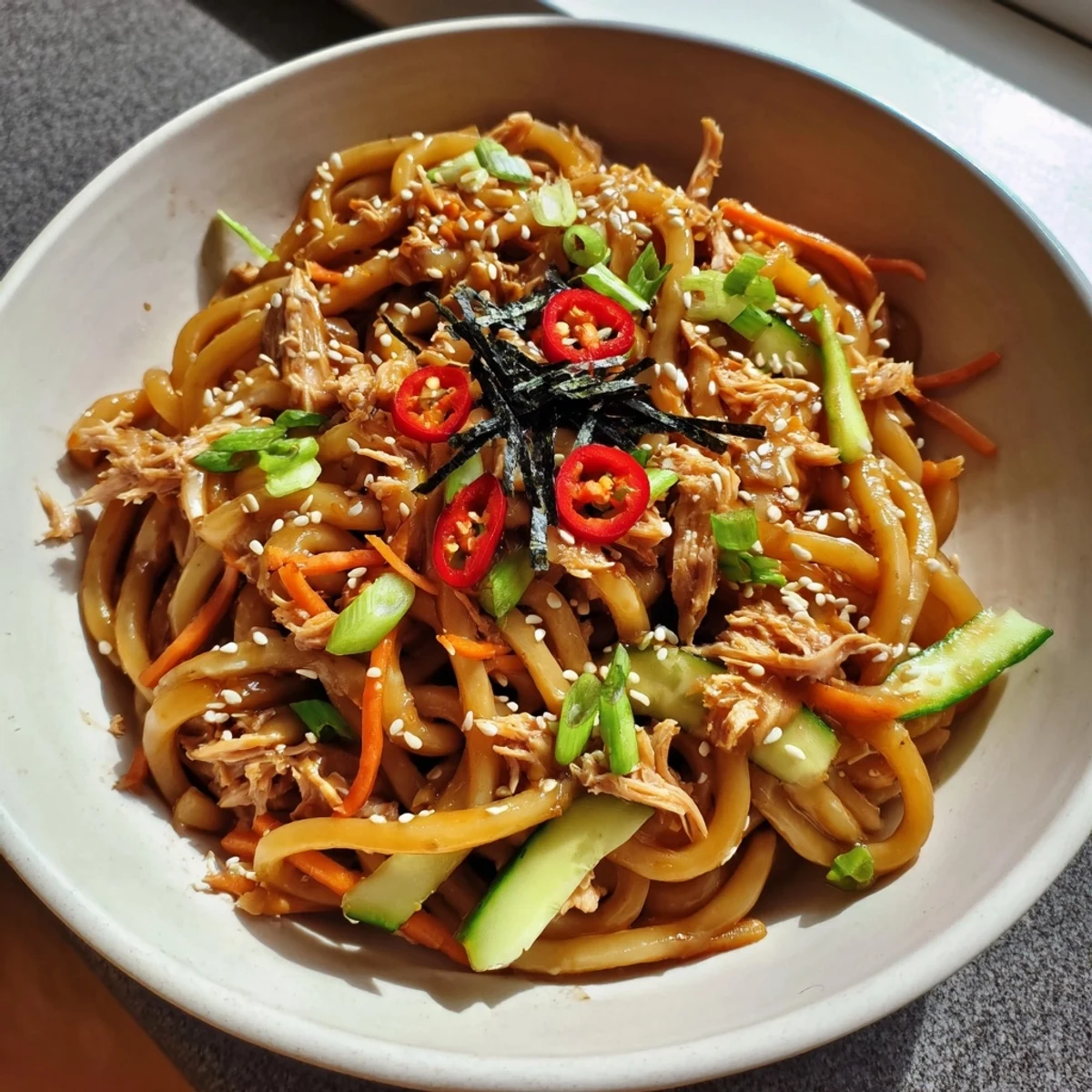
 Quick and satisfying Japanese-inspired udon noodles featuring tender wheat noodles coated in a creamy spicy tuna sauce. The dish combines protein-rich tuna with crisp julienned carrots, refreshing cucumber, and aromatic spring onions for a perfect balance of textures. A touch of pickled ginger adds brightness, while toasted sesame seeds and nori provide authentic umami depth. Ready in just 25 minutes, this versatile bowl works beautifully chilled or at room temperature.
My apartment kitchen once smelled like a tiny Tokyo noodle shop at midnight, and it was entirely because I refused to order takeout on a rainy Tuesday. I had udon in the freezer, a can of tuna in the pantry, and enough hot sauce to make my eyes water just opening the fridge. That impromptu bowl of spicy tuna udon became a weekly ritual, something I crave the way other people crave grilled cheese on gloomy evenings.
I made this for my neighbor Kenji after he helped me carry a bookshelf up three flights of stairs, and he stood in my doorway eating straight from the mixing bowl because he refused to wait for a proper serving dish.
Ingredients
- Udon noodles (200 g fresh or frozen): Fresh udon have that chewy, slippery texture that makes this dish satisfying, but frozen works beautifully if that is what your store stocks.
- Canned tuna in water, drained (120 g): Water packed tuna lets you control the richness, and draining it thoroughly prevents a watery sauce.
- Carrot (1/2 cup julienned): Thin matchsticks give a sweet crunch that balances the heat.
- Cucumber (1/2 cup thinly sliced): Cool and crisp, it tempers the spice and adds freshness to every bite.
- Spring onions (2, sliced): A sharp, oniony bite that cuts through the creamy sauce.
- Pickled ginger (1 tablespoon finely chopped, optional): Adds a tangy warmth that makes the whole bowl feel more complex.
- Japanese Kewpie mayonnaise (2 tablespoons): The richer egg yolk content in Kewpie creates a silkier sauce than regular mayo, though either works.
- Sriracha (1 tablespoon): Start with a tablespoon and taste before adding more, because the heat builds as it sits.
- Soy sauce (1 tablespoon): Provides the salty umami backbone that ties everything together.
- Sesame oil (1 teaspoon): Just a teaspoon adds that toasty, unmistakably Japanese aroma.
- Rice vinegar (1 teaspoon): A subtle brightness that keeps the sauce from feeling too heavy.
- Sugar (1/2 teaspoon): This tiny amount rounds off the sharp edges of the vinegar and hot sauce.
- Toasted sesame seeds (1 tablespoon): A nutty garnish that also adds a pleasant crunch on top.
- Nori (1 sheet, torn): Torn pieces of seaweed bring a briny, ocean hit that makes the tuna sing.
- Fresh chili slices (optional): For those who want even more fire on top.
Instructions
- Boil and shock the noodles:
- Cook the udon according to the package directions, then drain and rinse under cold running water until the noodles are completely cool to the touch. This stops them from getting gummy and keeps each strand separate and bouncy.
- Build the spicy tuna sauce:
- In a large mixing bowl, combine the drained tuna, mayonnaise, Sriracha, soy sauce, sesame oil, rice vinegar, and sugar, then stir with a fork until you get a thick, orange flecked sauce that smells like heat and comfort at the same time.
- Fold in the vegetables:
- Add the julienned carrot, cucumber slices, spring onions, and pickled ginger if using, tossing gently so everything gets lightly coated without crushing the delicate cucumber.
- Marry the noodles and sauce:
- Add the cooled udon to the bowl and use tongs to toss aggressively, lifting and separating the noodles so the sauce works into every crevice and fold.
- Plate and garnish:
- Divide between two bowls, then scatter toasted sesame seeds, torn nori pieces, and fresh chili slices over the top while the noodles are still glistening.
- Serve right away:
- Enjoy immediately either chilled or at room temperature, because this dish is best when the sauce is fresh and the vegetables still have their snap.
 Save to Pinterest
 The second time I made this, I ate it sitting on my kitchen floor because my table was covered in laundry, and honestly it tasted better there than it would have at any restaurant.
What to Serve Alongside
A cold glass of dry sake or a crisp Sauvignon Blanc cuts through the richness and heat like nothing else. A simple miso soup on the side turns this into a完整な meal without much extra effort, and a few edamame scattered on a plate make it feel like a proper spread.
Making It Your Own
Crowning the bowl with a soft boiled egg, its yolk broken and oozing over the noodles, adds a richness that borders on indulgent. Greek yogurt can stand in for mayonnaise if you want something lighter, though the sauce will be tangier and less lush. A drizzle of chili oil at the end is my favorite way to push the heat even further when the mood strikes.
Keeping Things Smooth
This dish is best assembled and eaten immediately, but you can prep the sauce and vegetables a few hours ahead and keep them separately in the fridge. Leftovers will keep for a day but the cucumber loses its crunch and the noodles absorb the sauce, so think of round two as a different but still tasty experience.
- Toss the noodles with a drop of sesame oil after draining to prevent sticking while you prep everything else.
- Taste the sauce before adding the noodles so you can adjust the Sriracha to your personal threshold.
- Remember that the heat intensifies as it sits, so go slightly milder than you think you want.
 Save to Pinterest
 Some dishes become part of your rotation because they are impressive, and some earn their spot because they show up for you on a tired Tuesday with nothing but a can of tuna and a bit of fire.
Recipe FAQs
- → Can I use fresh tuna instead of canned?
-
Absolutely. Grilled, seared, or poached fresh tuna works wonderfully. Simply flake the cooked tuna before tossing with the spicy sauce for even better texture and flavor.
- → How spicy is this dish?
-
One tablespoon of Sriracha provides moderate heat. Adjust the amount to your preference—reduce for mild flavor or increase with chili oil for extra kick.
- → Can I make this ahead?
-
Yes, this dish tastes even better after chilling. Prepare everything up to 4 hours ahead, refrigerate, and serve cold for a refreshing meal.
- → What can I substitute for udon noodles?
-
Soba noodles, thick rice noodles, or even linguine work well. Just adjust cooking time according to package instructions.
- → Is this dish served hot or cold?
-
Both ways work beautifully. The chilled version refreshes on hot days, while serving at room temperature highlights the creamy sauce and tender noodles.
- → How do I store leftovers?
-
Keep refrigerated in an airtight container for up to 2 days. The noodles may absorb some sauce, so add a splash of rice vinegar before serving.